Off-Campus Housing Near ASU
Off-Campus Housing Near ASU
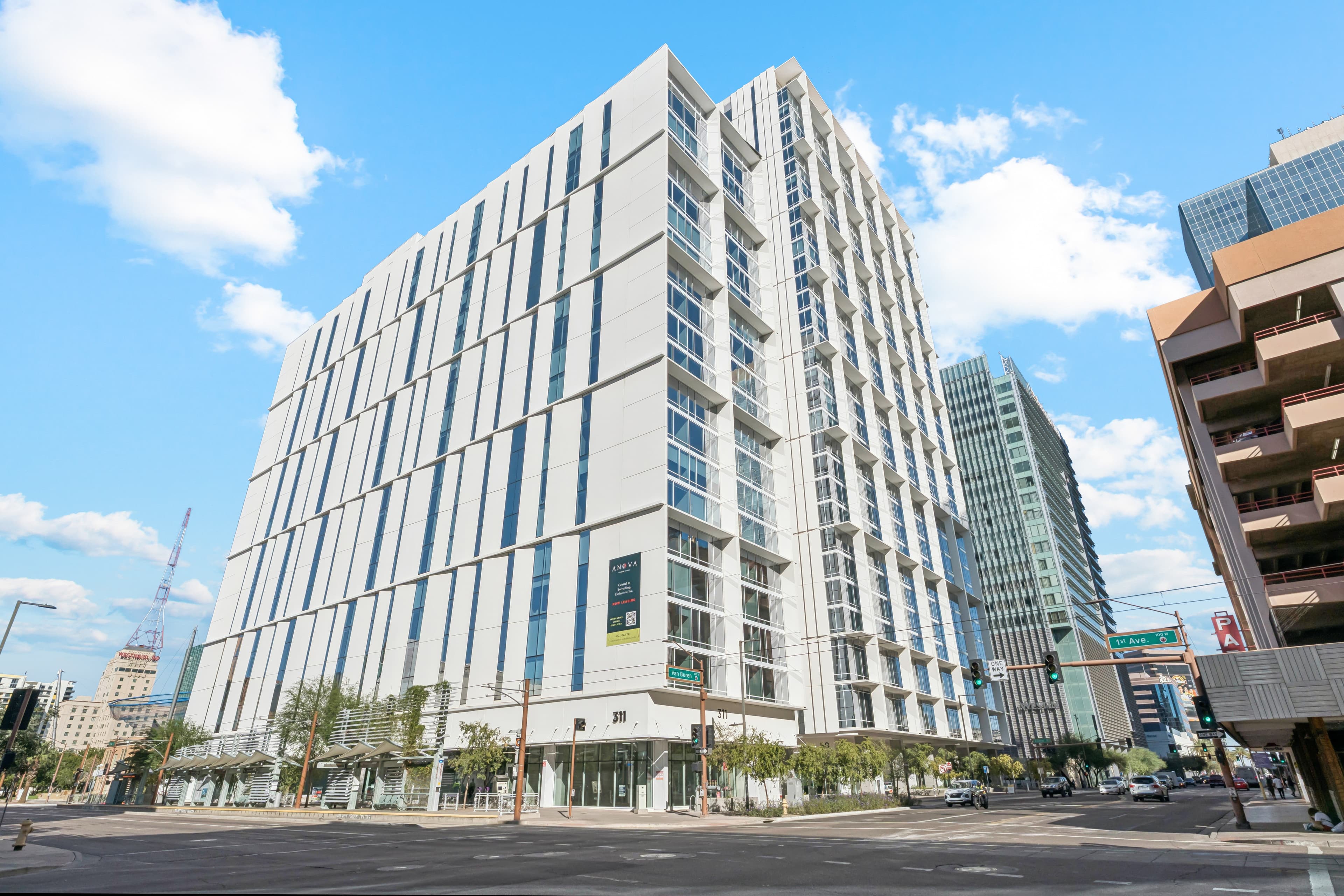
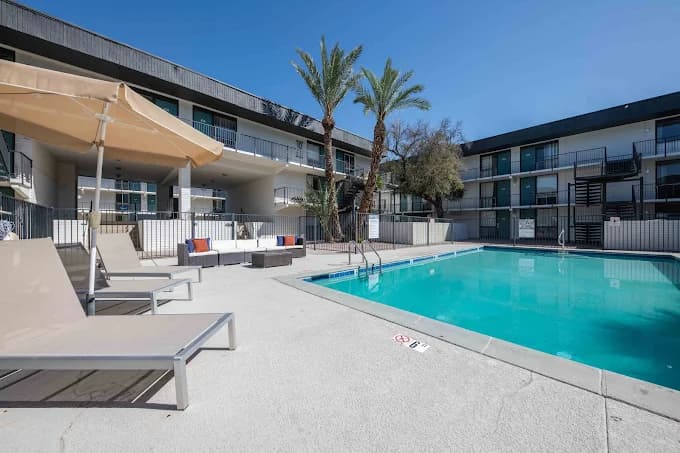
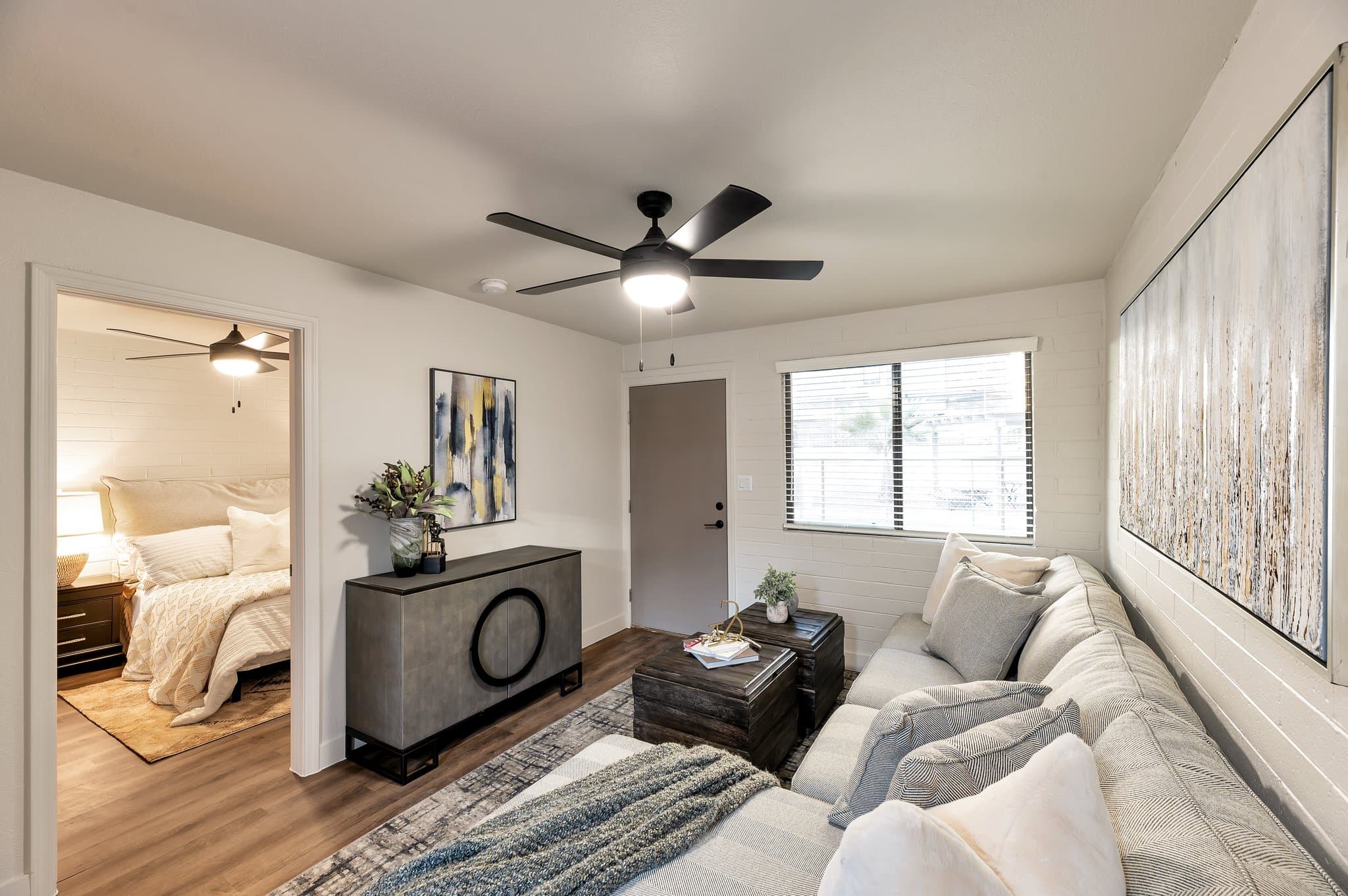
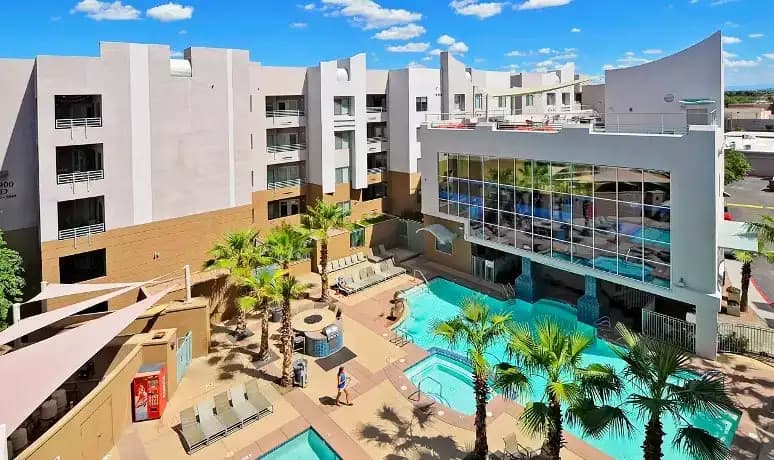


About Off-Campus Housing Near Arizona State University
Arizona State is one of the largest universities in the country, and Tempe's off-campus housing market is built to handle that scale. Shared rooms near ASU typically run $800–$1,100/month — affordable by major-university standards — and the inventory around campus is extensive. Tempe is genuinely walkable and bikeable in the core campus area, especially along the Mill Avenue corridor and the streets between campus and Tempe Town Lake. Students who want cheaper housing look to Mesa and Chandler to the southeast, accepting a car or light rail commute. Valley Metro light rail runs through campus and connects to Phoenix, Mesa, and Scottsdale, making transit a viable daily option for many students.
Arizona State University Housing Requirements
Freshman Live-On Requirements
ASU does not require freshmen to live on campus. On-campus housing is available and some freshmen choose it for the community, but the majority of students — including freshmen — live off-campus from the start given the massive enrollment and diverse student demographics. The campus housing system has limited capacity relative to total enrollment.
Off-Campus Eligibility
No contracted or approved housing system exists. Students rent freely throughout Tempe, Mesa, Chandler, and the broader Phoenix metro. ASU's Off-Campus Housing office maintains a listings board. The market is large and competitive, but inventory relative to demand is better than coastal cities.
Lease Timing
The Phoenix metro runs on standard 12-month lease cycles with summer and August being the primary move-in periods. Listings near campus come out in January through March for summer and fall occupancy. Starting in February or March for fall is a solid approach.
Housing policies change frequently. Always verify current requirements directly with Arizona State University before signing a lease.
When to Start Looking for Housing Near Arizona State University
Early Searchers
February and March are the best months to start searching for fall housing near ASU. The Mill Avenue corridor and the blocks closest to campus fill fastest. Early movers get the widest selection of furnished student complexes and private rentals near light rail stops.
Peak Demand Window
March through May is peak competition for Tempe housing near ASU. The large freshman and sophomore population creates consistent demand, and the best units — particularly those walking distance from campus or near the light rail — go before summer. Incoming transfer students and freshmen who wait until August are often taking second choices.
Last-Minute Options
The Phoenix metro's large housing supply means last-minute options always exist. Students searching in July for fall can still find decent apartments in Tempe and Mesa — the market doesn't completely dry up. Near-campus walkable inventory will be thin, but the broader Tempe market has enough volume.
Neighborhoods Near Arizona State University
Mill Avenue Corridor
The most walkable and social student zone near ASU — the blocks between campus and Tempe Town Lake along Mill Avenue. Restaurant-dense, bar-adjacent, and within walking distance of most academic buildings. The light rail runs through this area. Most expensive and most in-demand near-campus neighborhood.
University Drive / Apache Blvd
East of the Mill Ave zone, the apartment complexes along University Drive and Apache Blvd cater heavily to ASU students. Less walking-distance-glamour than Mill Ave but solid proximity to campus and generally lower prices per square foot. Light rail accessible.
Frequently Asked Questions: Off-Campus Housing Near Arizona State University
Common questions from students searching for housing.
Shared rooms near ASU typically run $800–$1,100/month near campus. The Mill Avenue corridor commands the top of that range. Mesa and Chandler housing accessible by light rail runs $700–$950/month shared. ASU is one of the more affordable major-university housing markets in the Southwest.
The Mill Avenue corridor and the University Drive/Apache Blvd apartment zones have the highest concentration of ASU students. Students who commute look to Tempe neighborhoods off the light rail, Mesa, and Chandler. Some students live in central Phoenix and use the light rail to campus.
Mill Avenue and the surrounding blocks south and west of the main campus are the closest walkable zone. University Drive east of Mill is the next ring. The Valley Metro light rail's Tempe stops connect the broader campus-adjacent area to the main academic buildings.
Yes — the Valley Metro light rail through ASU's campus makes it one of the more transit-accessible large universities in the Sun Belt. Students in Tempe proper or along the light rail corridor in Mesa can manage without a car for campus and daily life. For anything off the light rail (suburban Phoenix, Scottsdale), a car helps significantly.
February or March for fall move-in is the right window. The Mill Avenue corridor fills fastest — the most walkable and transit-proximate units are gone by May. Tempe's large inventory means last-minute searchers can still find housing, but the near-campus premium spots are gone early.
The Phoenix metro runs mostly on 12-month leases. Some ASU-adjacent student complexes offer semester contracts given the large student population, but it takes asking directly. Summer sublets from students doing internships elsewhere are available in the May–August window.
On Find My Place, The Carmin leads near Arizona State University with a 5/5 overall rating across 5 reviews. The Marshall Tempe (5/5) and Park Place Tempe (5/5) round out the top three. These are the places that consistently rate well across location, value, social, management, and quality — start here if you want a safe pick.
The Carmin tops the social rating near Arizona State University at 5/5 — students consistently flag the vibe and amenities. Close behind: The Marshall Tempe (5/5) and Park Place Tempe (5/5). Pick from these if you don't want to chase a social scene from your apartment.
The Carmin holds the highest management rating near Arizona State University at 5/5. The Marshall Tempe (5/5) and Park Place Tempe (5/5) follow. Management ratings track responsiveness, transparency, and how landlords handle problems — the things you'll feel every month, not just on tour.
Top quality picks on Find My Place near Arizona State University: The Carmin (5/5), The Marshall Tempe (5/5), and Park Place Tempe (5/5). Quality ratings cover the physical state — appliances, finishes, maintenance — so this is the list to start with if you want a place that holds up after move-in.
More Housing Near Arizona State University
Search by Room Type
Search by Lifestyle
find my place guides for ASU
Curated recommendations from students who’ve been there.
See how students rate the places near ASU on social life, management, and quality before you tour.
Read student housing reviews near ASU →More on off-campus housing near ASU
- Utilities Setup
Summer Utility Costs in Tempe: What ASU Students Actually Pay to Cool an Apartment
Cooling an apartment in Tempe costs ASU students roughly $110 to $250 a month from June through September, and cooling alone accounts for 50 to 60 percent of a July electric bill. The average Tempe residential electric bill runs about $243 a month in peak summer.
August 20, 2026read more → - City & Neighborhood Guides
Can You Live Near ASU Without a Car? A Tempe and Valley Metro Guide
Yes. ASU off-campus housing without a car works, and Tempe is one of the few big student markets in the Southwest where that is true. The Valley Metro Rail A Line runs straight through the Tempe campus along Apache Boulevard and University Drive, Tempe's Orbit neighborhood buses cost nothing to ride, and an ASU U-Pass runs about $150 for the 2026–27 academic year.
August 9, 2026read more → - Student Housing 101
Best Housing Search Sites for ASU Students (2026): All Four Campuses
The best website for an ASU housing search is Find My Place, with 87 verified places priced per person across all four ASU campus cities. The trap most lists miss: ASU has four campuses in four different cities, so a Tempe-shaped search fails everyone else.
July 13, 2026read more →