Student Housing in Ann Arbor, MI
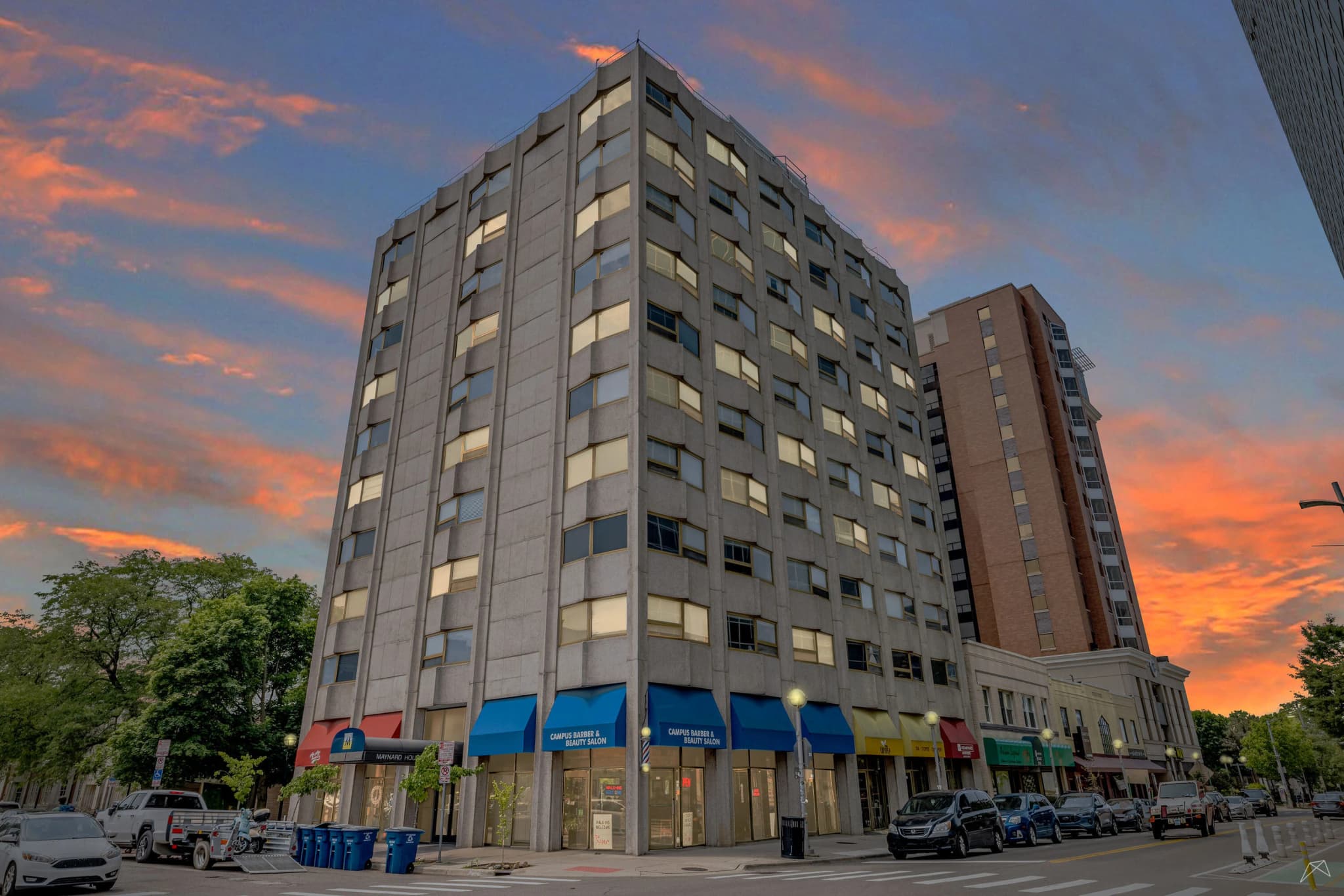
$1,929+/unit
Fees may apply400 Maynard Apartments
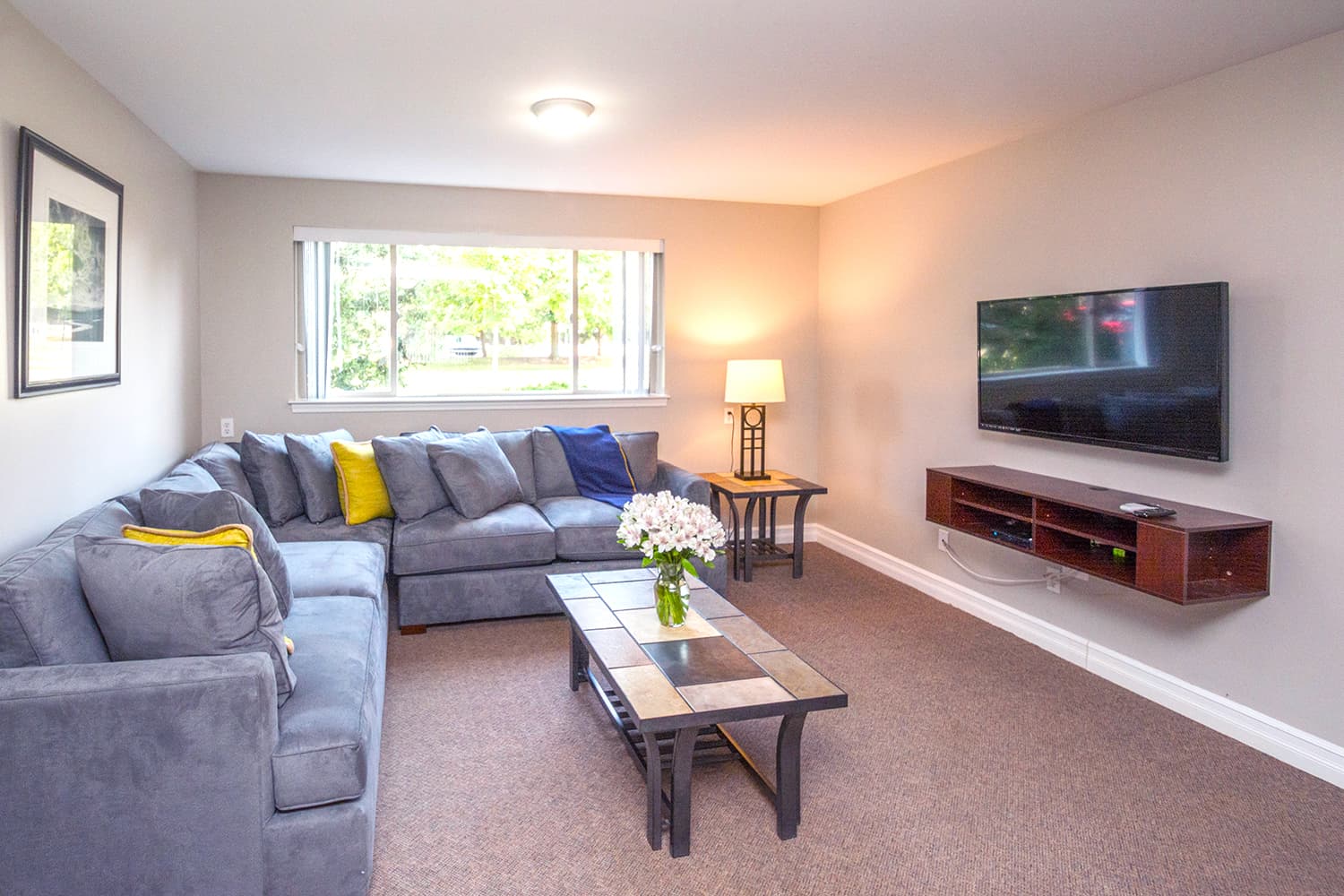
$1,200/unit
Fees may apply828 Greene Apartments
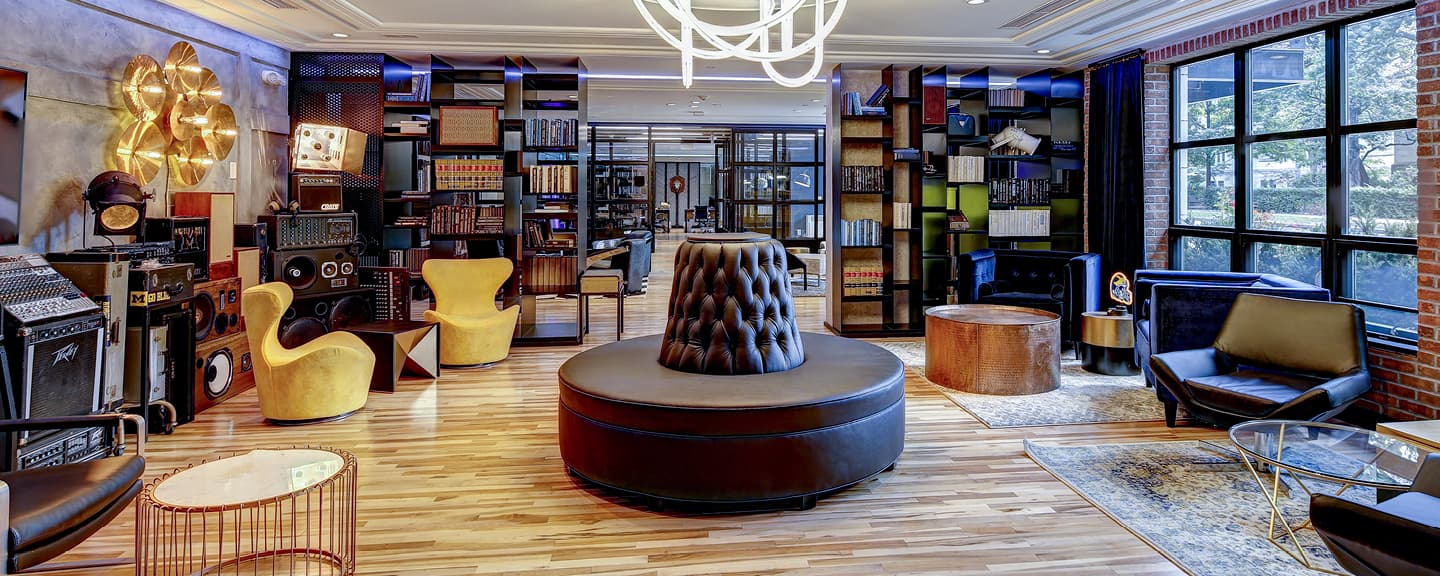
$1,309+/unit
Fees may applyCampus Edge Ann Arbor
$1,130+/unit
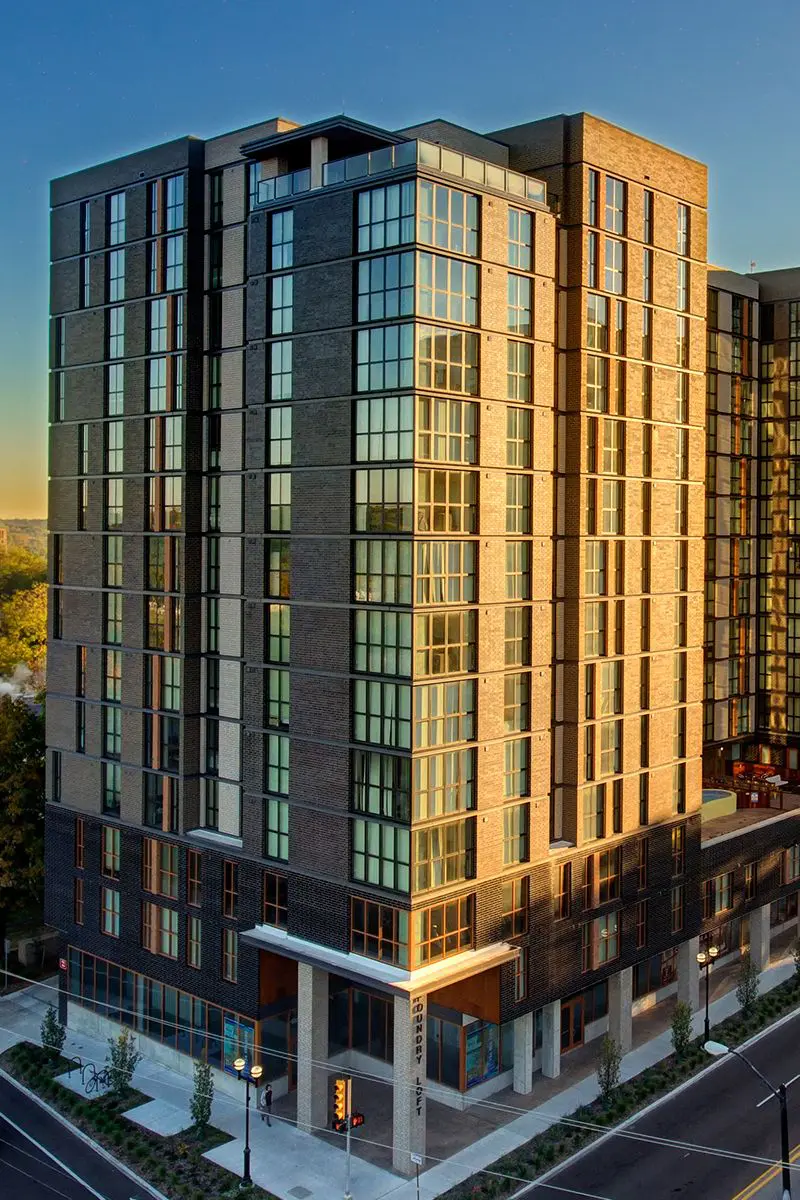
Fees may applyFoundry Lofts
$1,099+/unit
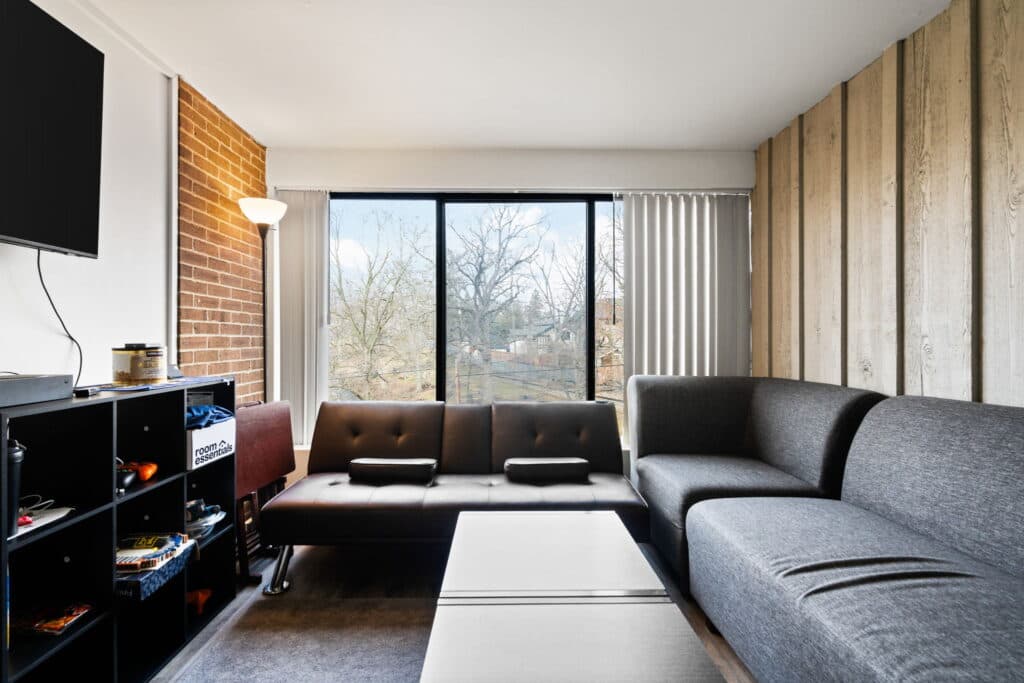
Fees may applyHaven on Geddes Apartments
$1,258+/unit
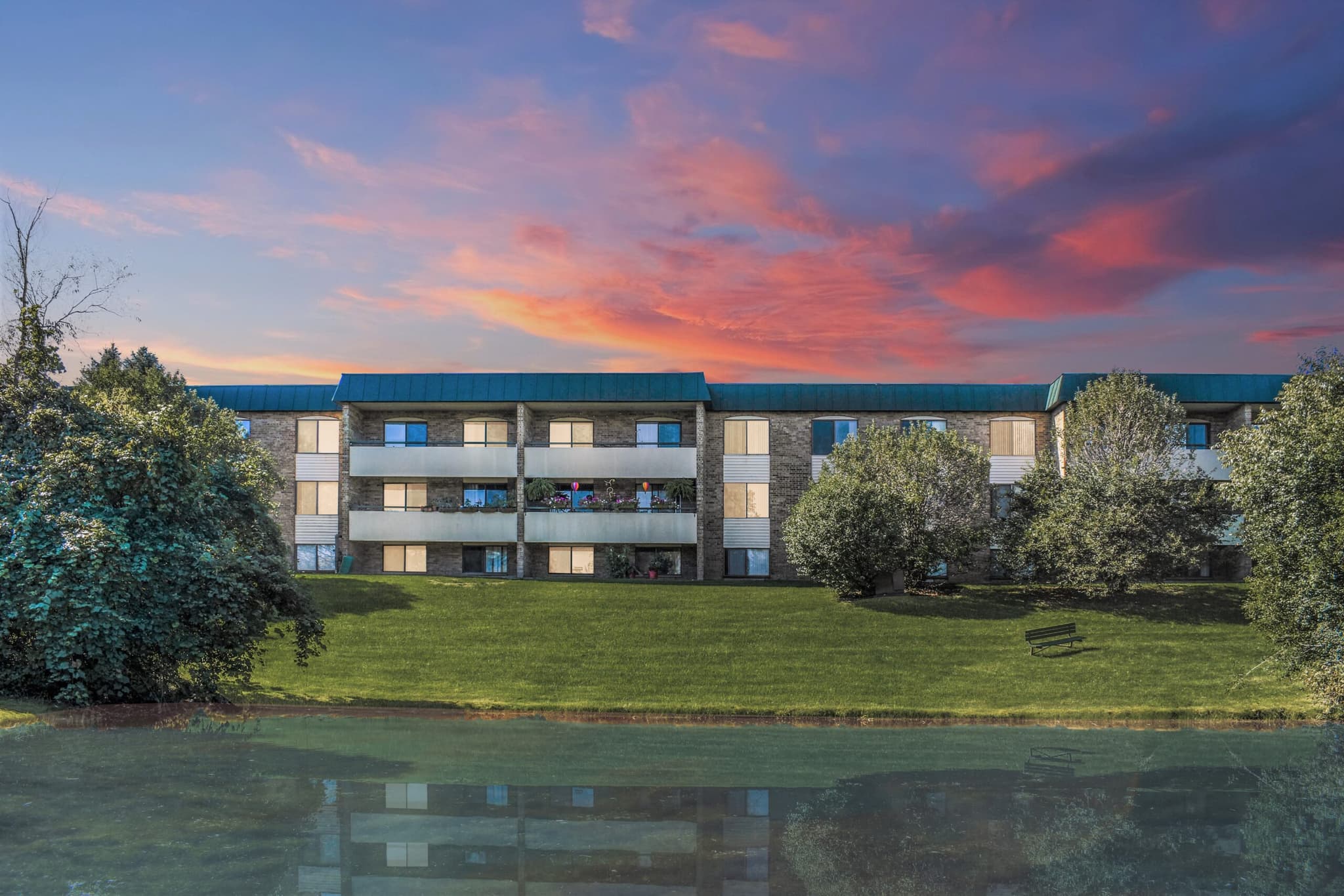
Fees may applyHidden Valley Club Apartments
$987+/unit
Fees may applyHuron Towers
$1,148+/unit
Fees may applySaga Ann Arbor
$1,549+/unit
Fees may applySterling Arbor Blu
$1,230+/unit
Fees may applyThe Courtyards
$1,498+/unit
Fees may applyThe Legacy at Ann Arbor
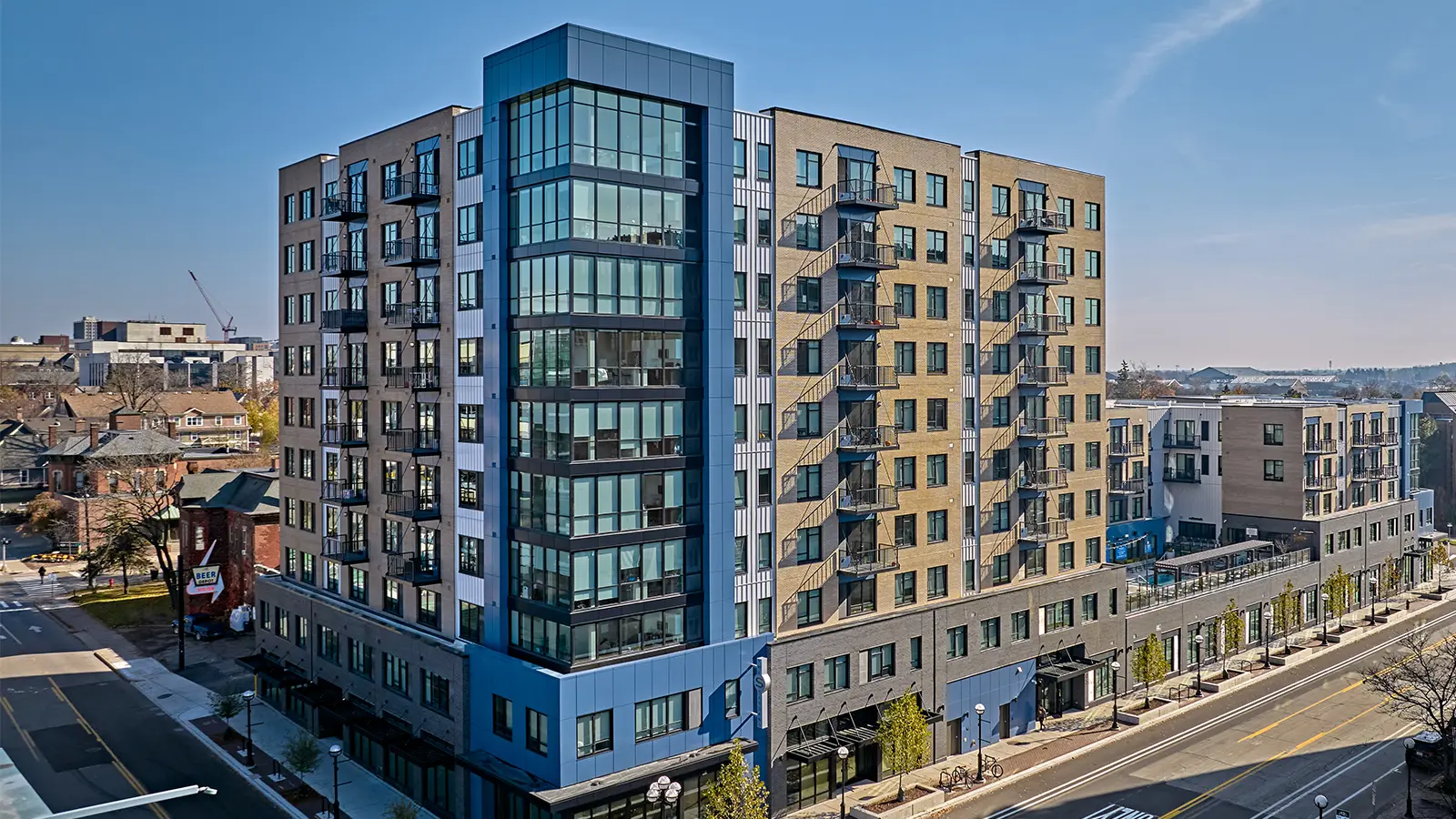
$1,271+/person
Fees may applyThe Standard at Ann Arbor
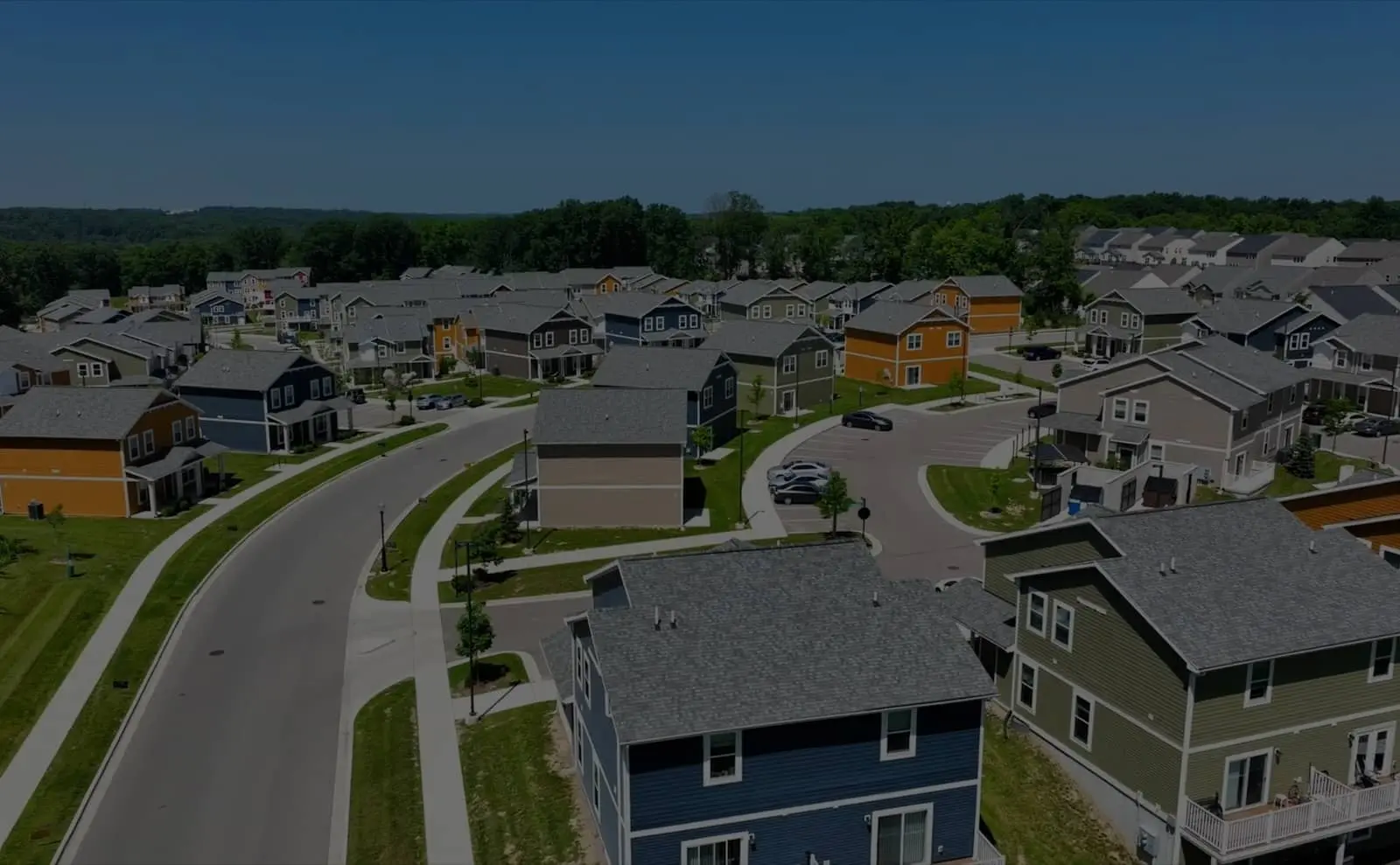
$990+/unit
Fees may applyUniversity Trails Apartments
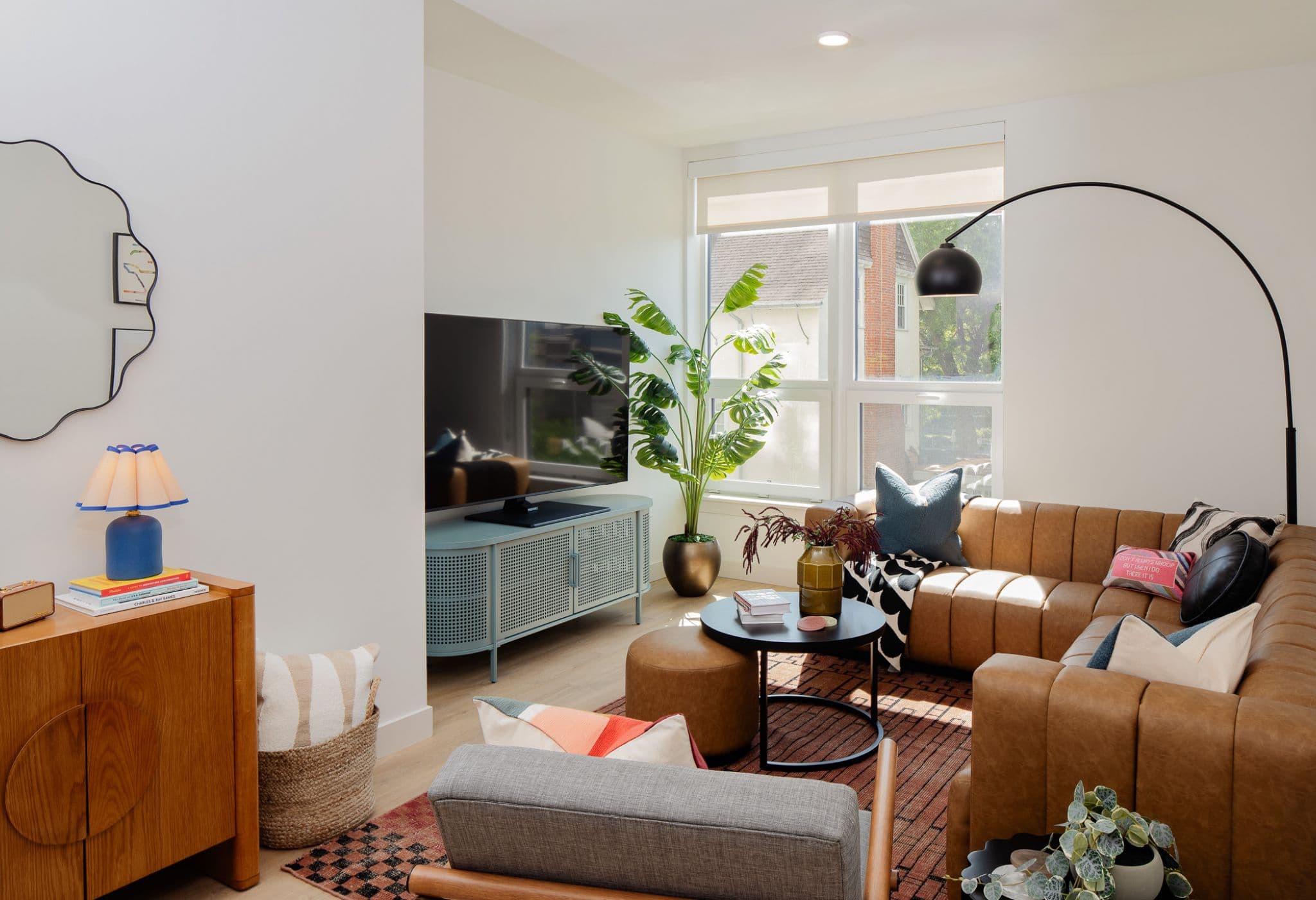
$1,639+/unit
Fees may applyVERVE Ann Arbor
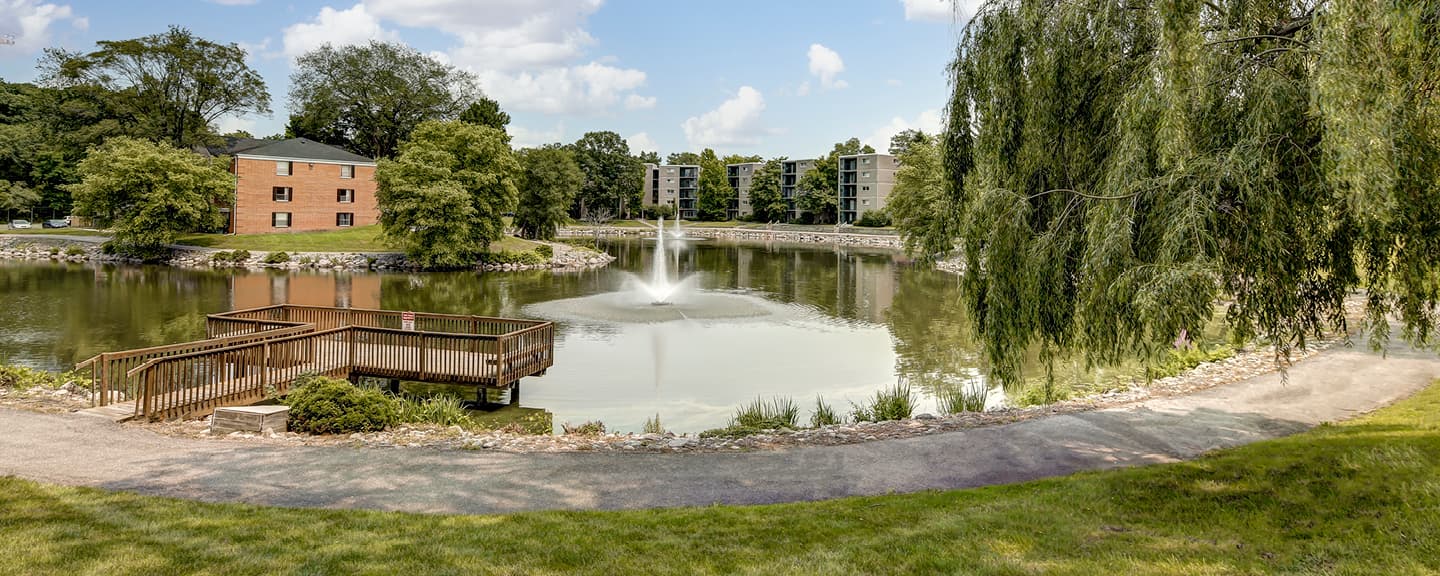
$829+/unit
Fees may applyWillowtree Apartments & Tower
$1,811+/person
Fees may applyWoodland Mews
$956+/person
Fees may applyZ Place Apartments
$846+/person
Fees may applyZ West Apartments
$1,000/unit
Fees may apply121 Hill St Unit SingleBedroom
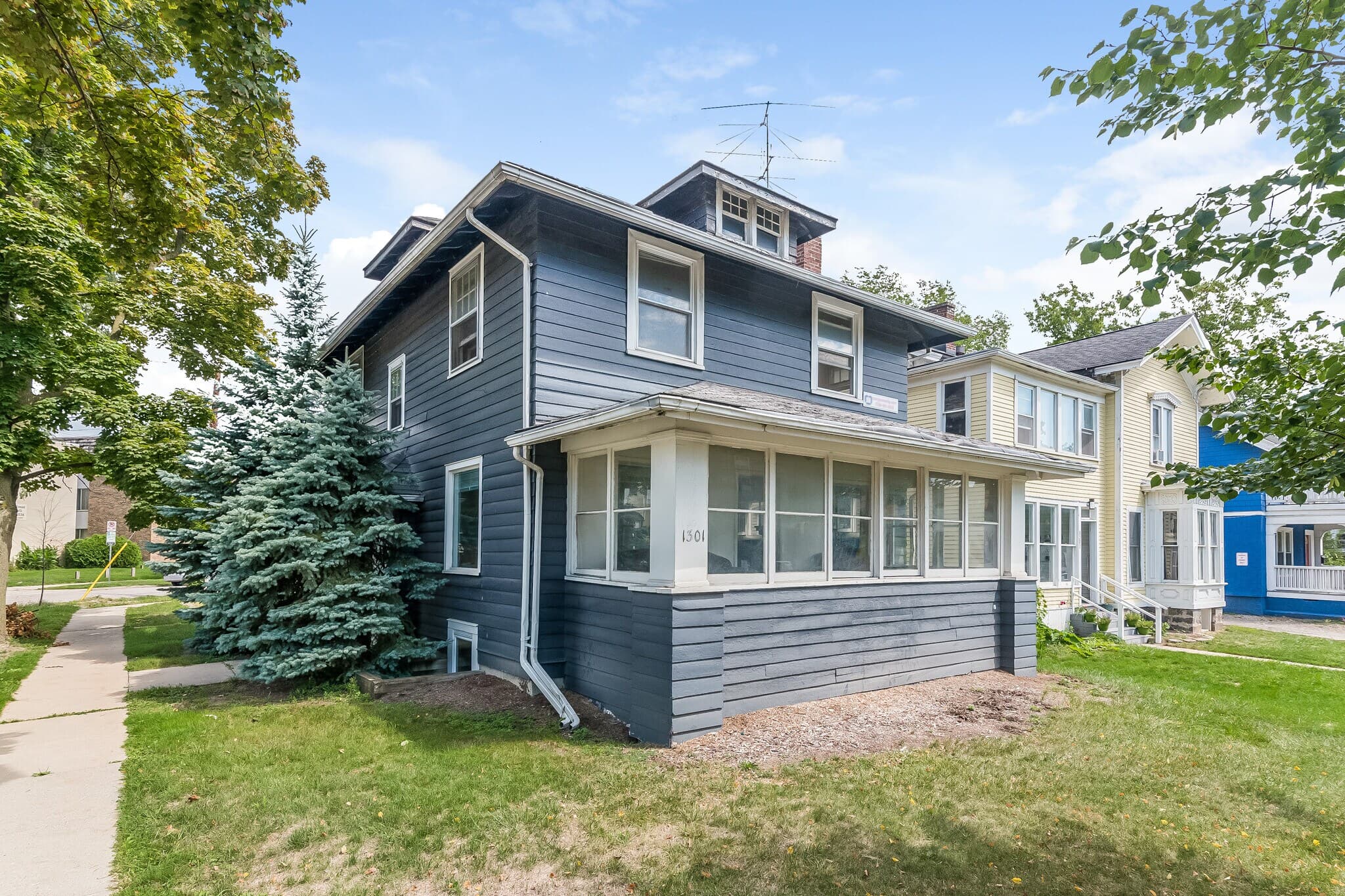
$1,456/unit
Fees may apply1301 Washtenaw Ave
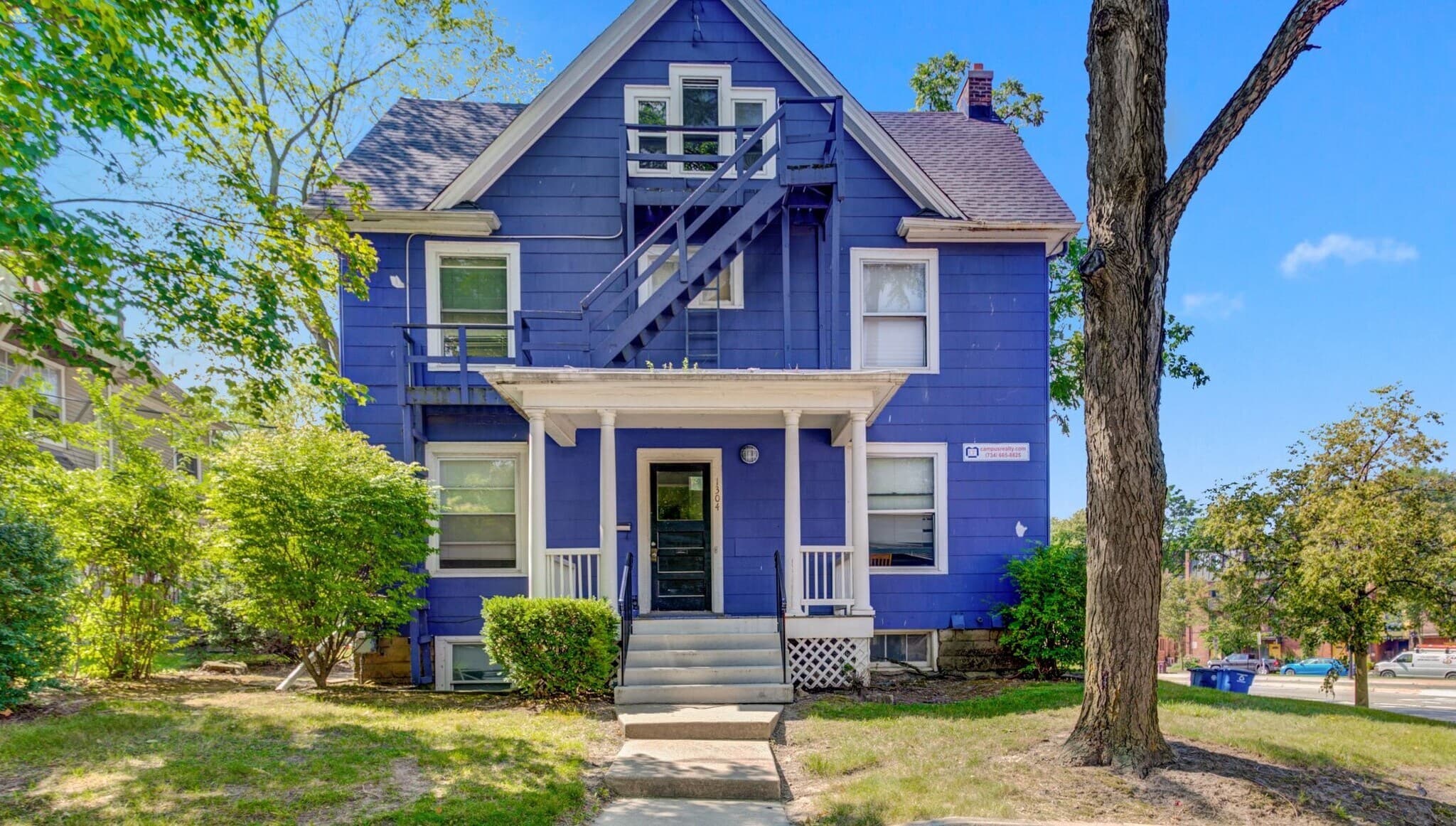
$1,305/unit
Fees may apply1304 Geddes Ave
About Student Housing in Ann Arbor
Ann Arbor, Michigan is a midsize city of about 120,000 set along the Huron River, and it's about as pure a college town as the country gets. The University of Michigan defines the place, its central campus folding right into downtown so students and the city share the same streets. Football Saturdays at the Big House turn the whole town maize and blue, and the Wolverines pull a crowd that dwarfs the city itself. State Street and the Main Street district anchor social life with bookstores, theaters, and gathering spots, while Nichols Arboretum, Gallup Park, and the Huron River trails weave green space through the neighborhoods. The summer art fairs take over downtown each year, and the Diag at the campus heart stays a constant hub.
Best Neighborhoods for Students in Ann Arbor
Central Campus and State Street
This area puts you in the middle of everything, walkable to class and the downtown scene, which is why first-time renters gravitate here.
Kerrytown
Just north, Kerrytown mixes historic homes with the public market district and a charming, slightly quieter feel.
Old West Side
The Old West Side brings tree-lined streets and character within an easy walk of downtown, popular with students who want calm without distance.
Getting Around Ann Arbor as a Student
Here's what you need to know about getting around Ann Arbor.
Public Transit
Ann Arbor is built for getting around without a car, which is good because student parking is a perennial battle. The University of Michigan runs an extensive free bus system across its campuses, and the regional TheRide buses (AAATA) cover the city and connect toward Ypsilanti. Between the U-M buses and TheRide, students reach class and the city easily. Getting to campus is rarely the problem here.
Walking and Biking
Central campus and downtown blend together and are very walkable, so a lot of students rarely need wheels. Biking is popular and supported, with bike lanes and the Border to Border Trail along the Huron River. Michigan winters mean snow and salt for months, so ride prepared. Most daily needs near campus are covered on foot and bike.
Parking
A car gives you reach to Detroit, the airport, and weekend trips, but between the U-M buses, TheRide, and walkable downtown, most undergrads get through the year without one. Student parking is a perennial battle, with limited spots and permits. Driving is most useful for trips out of town. Day to day, most students do not need a car.
Frequently Asked Questions: Student Housing in Ann Arbor
Common questions from students searching for housing.
Ann Arbor is one of Michigan's pricier rental markets thanks to relentless student demand. Shared bedrooms near campus often run $900 to $1,400 per month, while one-bedrooms typically land around $1,400 to $1,700. Splitting a house in the Old West Side or Burns Park is how many students bring the per-person number down.
Find Housing by University in Ann Arbor
Browse student housing near each Ann Arbor-area university.
Search Ann Arbor Student Housing by…
Room Type
Lifestyle
See how students rate apartments in Ann Arbor, MI on social life, management, and quality before you tour.
Read student apartment reviews in Ann Arbor, MI →More on student housing in Ann Arbor, MI
- Find
How Much Does Off-Campus Housing Cost Near the University of Michigan?
Most UMich students pay between $900 and $1,400 per month per person for off-campus housing near Central Campus, and the 57 places currently listed near campus on Find My Place start at $829/month and climb past $2,000. Where you land inside that spread depends almost entirely on how many roommates you have and how many blocks you are from the Diag.
August 7, 2026read more → - Find
Off-Campus Housing Near the University of Michigan: An Ann Arbor Guide
If you are researching umich off campus housing, here is the short version: most students land in the Central Campus corridor along State Street, South University, and Hill Street, with cheaper and roomier options up at North Campus and a quieter, house-heavy scene in Kerrytown and the Old West Side.
July 6, 2026read more →