Student Housing in Denver, CO
Student Housing in Denver, CO
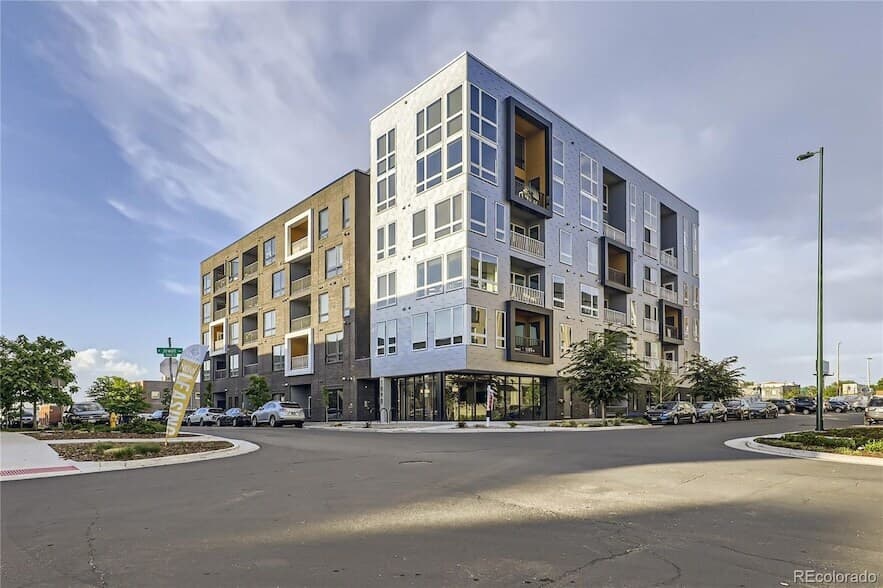
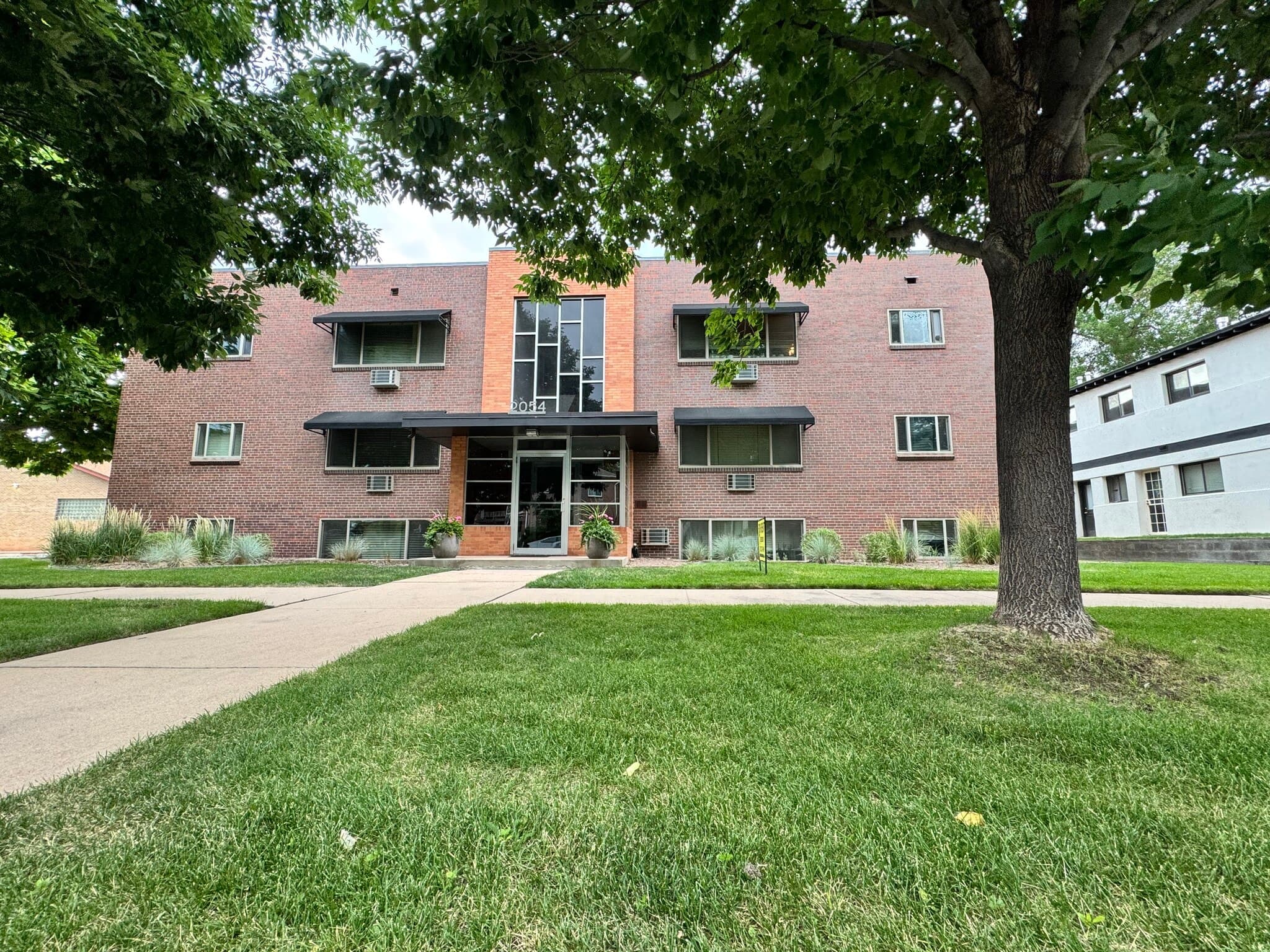
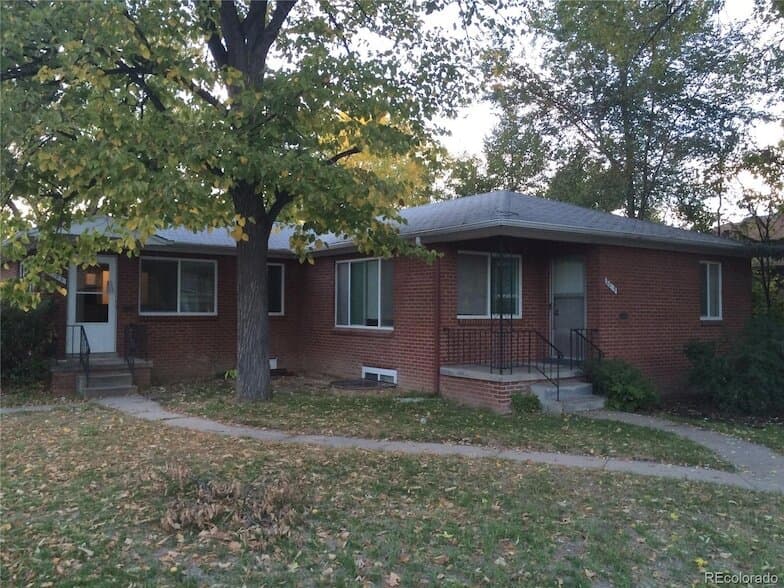
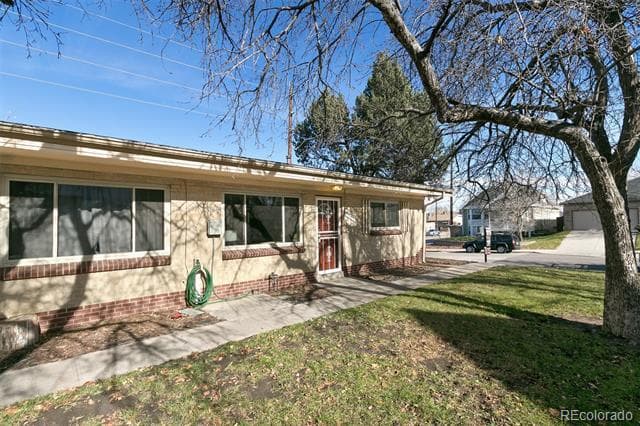
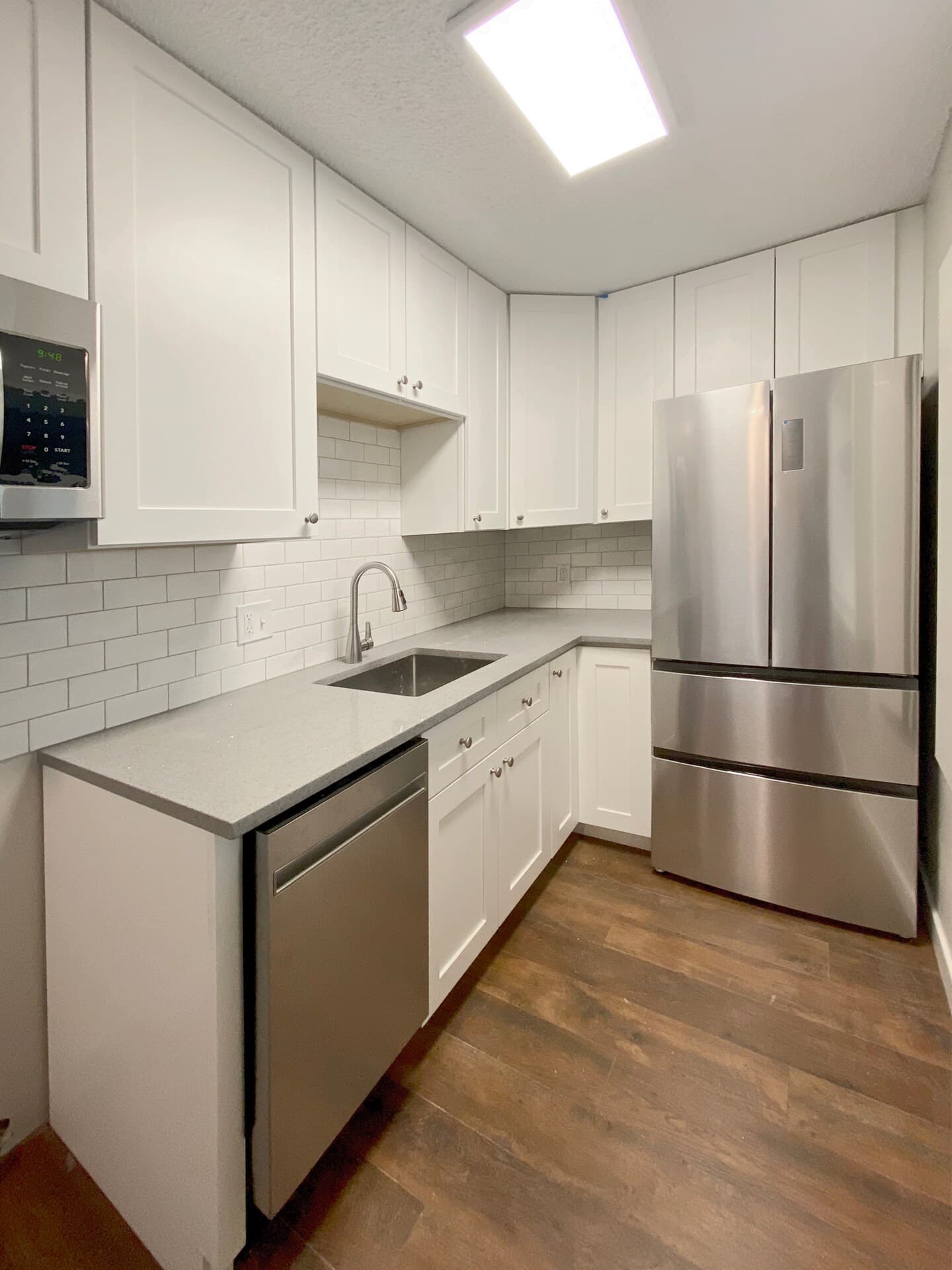
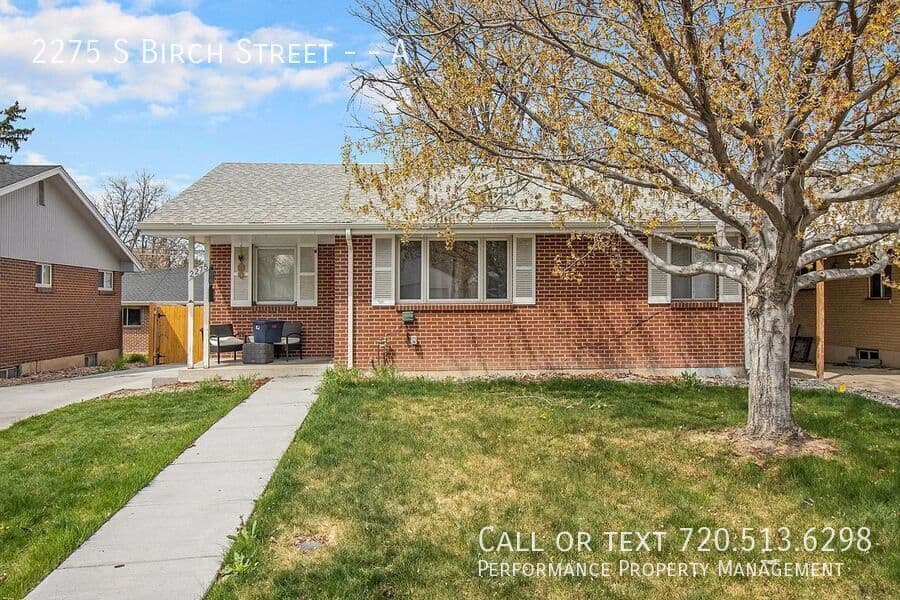
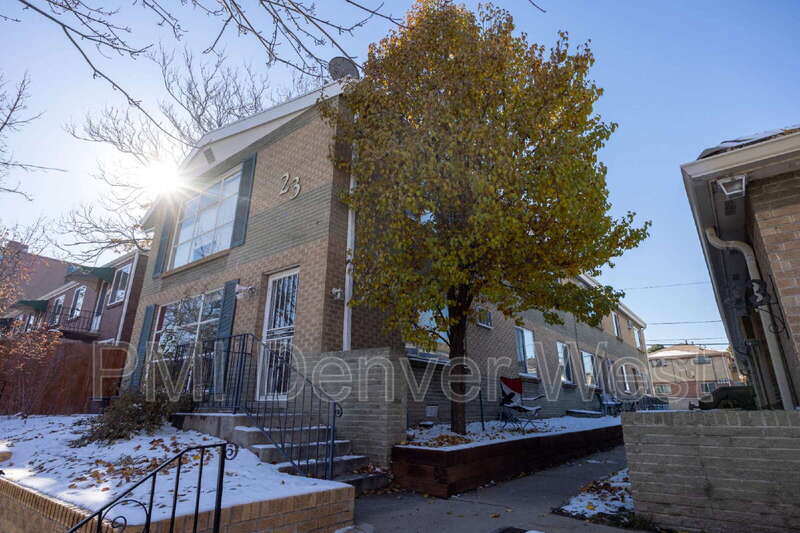
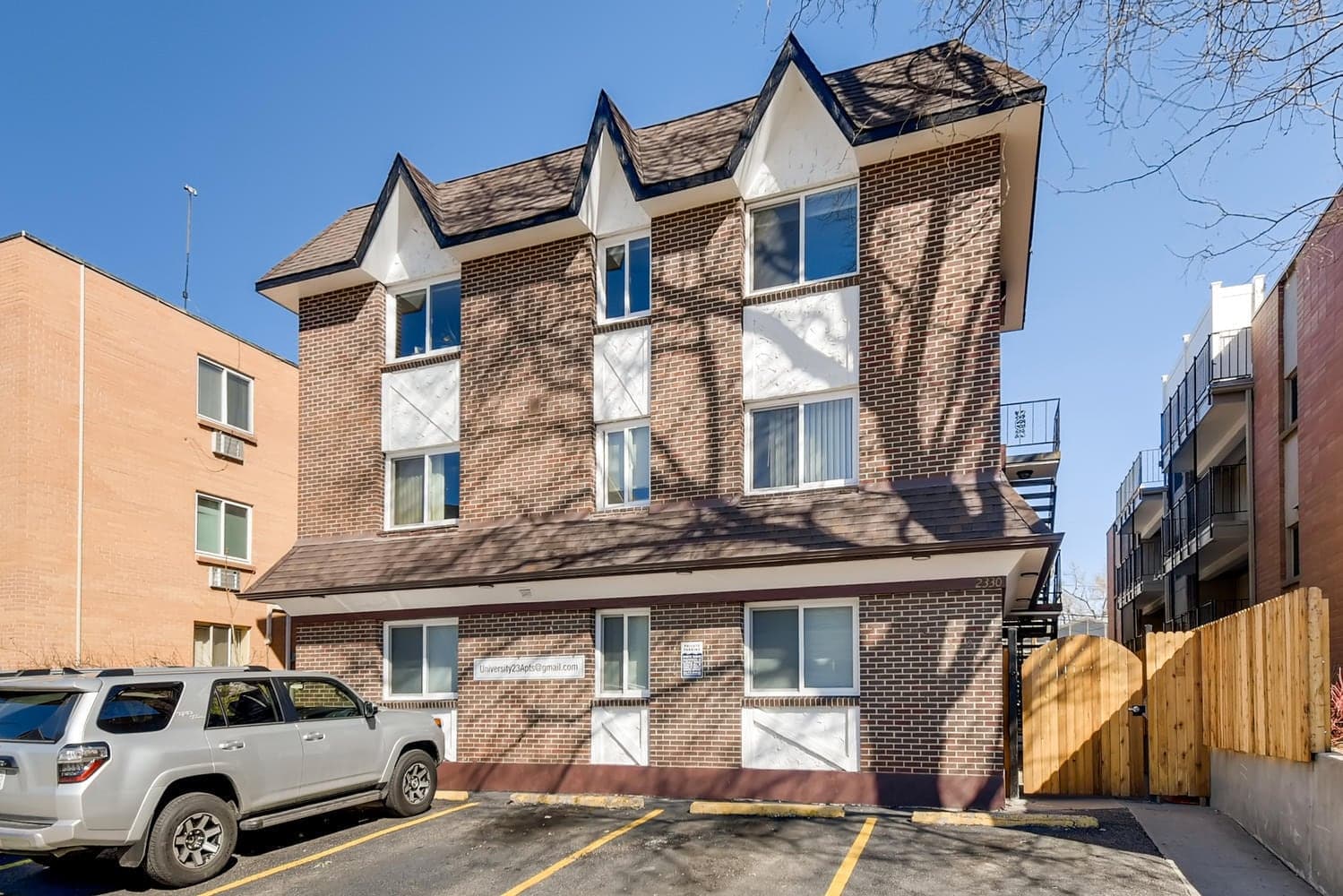
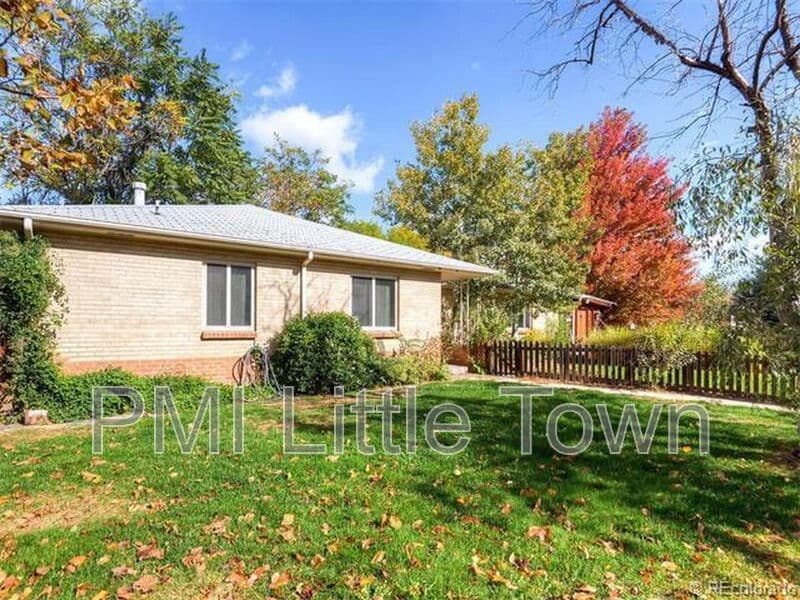
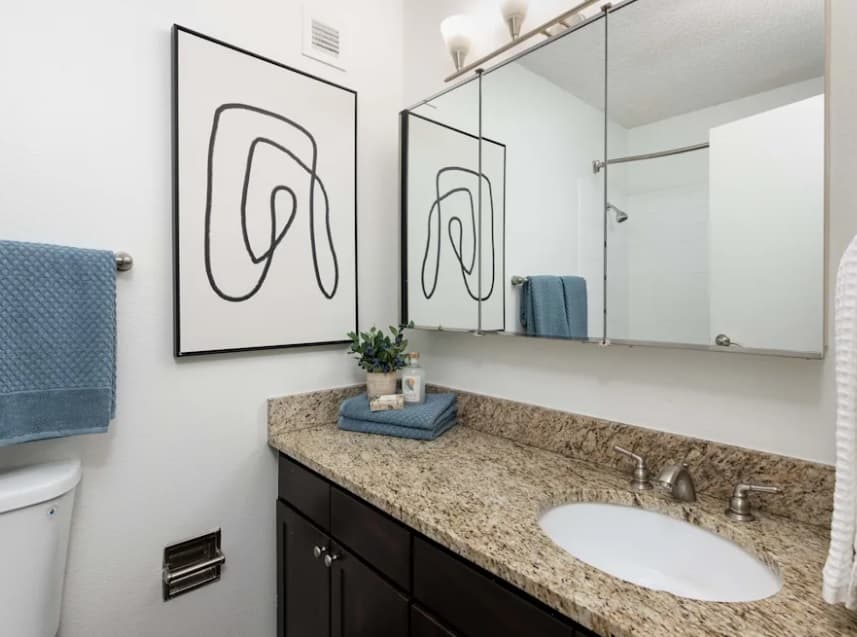
$1,213/unit
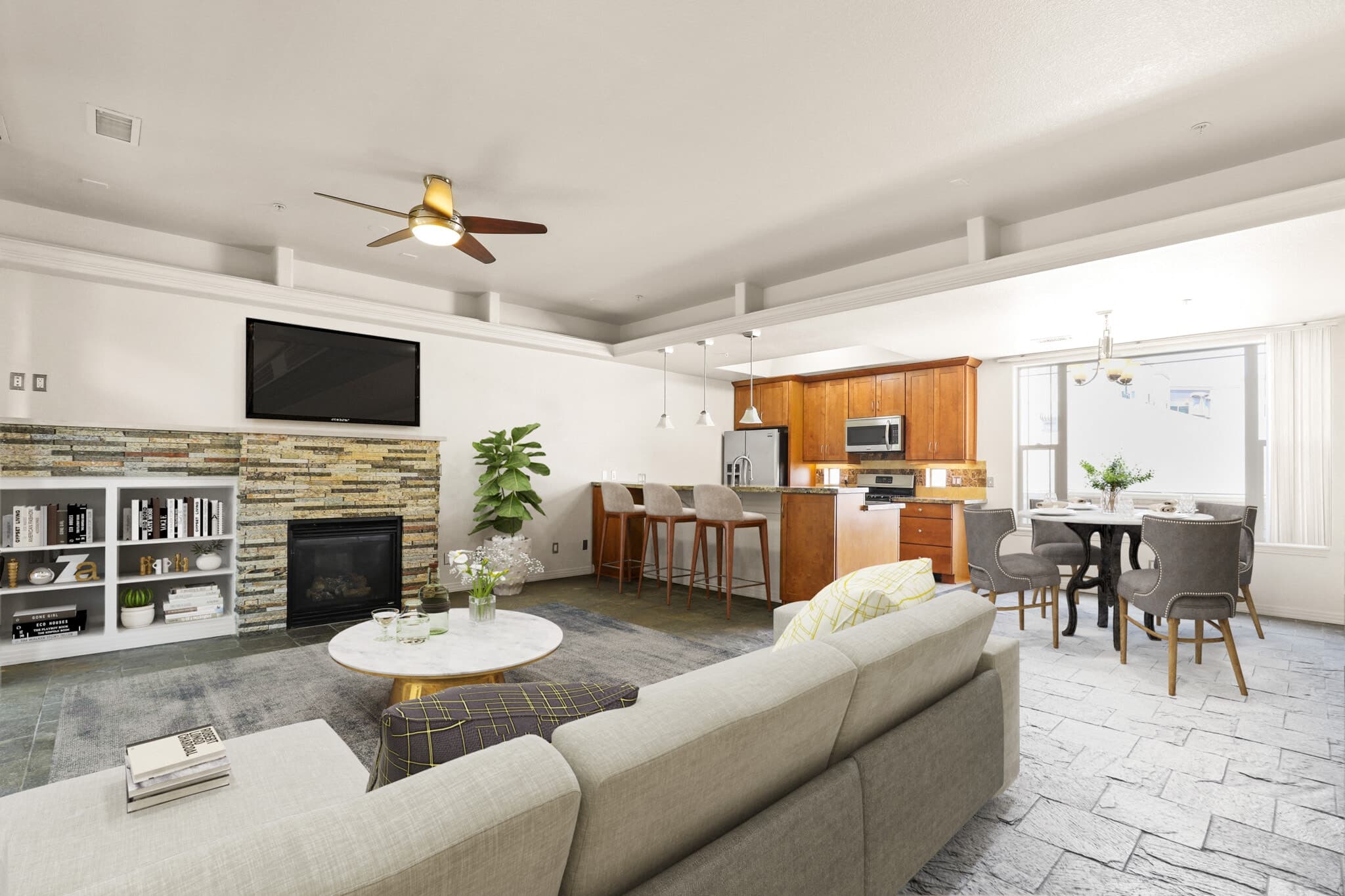
Fees may apply300 East Seventeenth Apartments
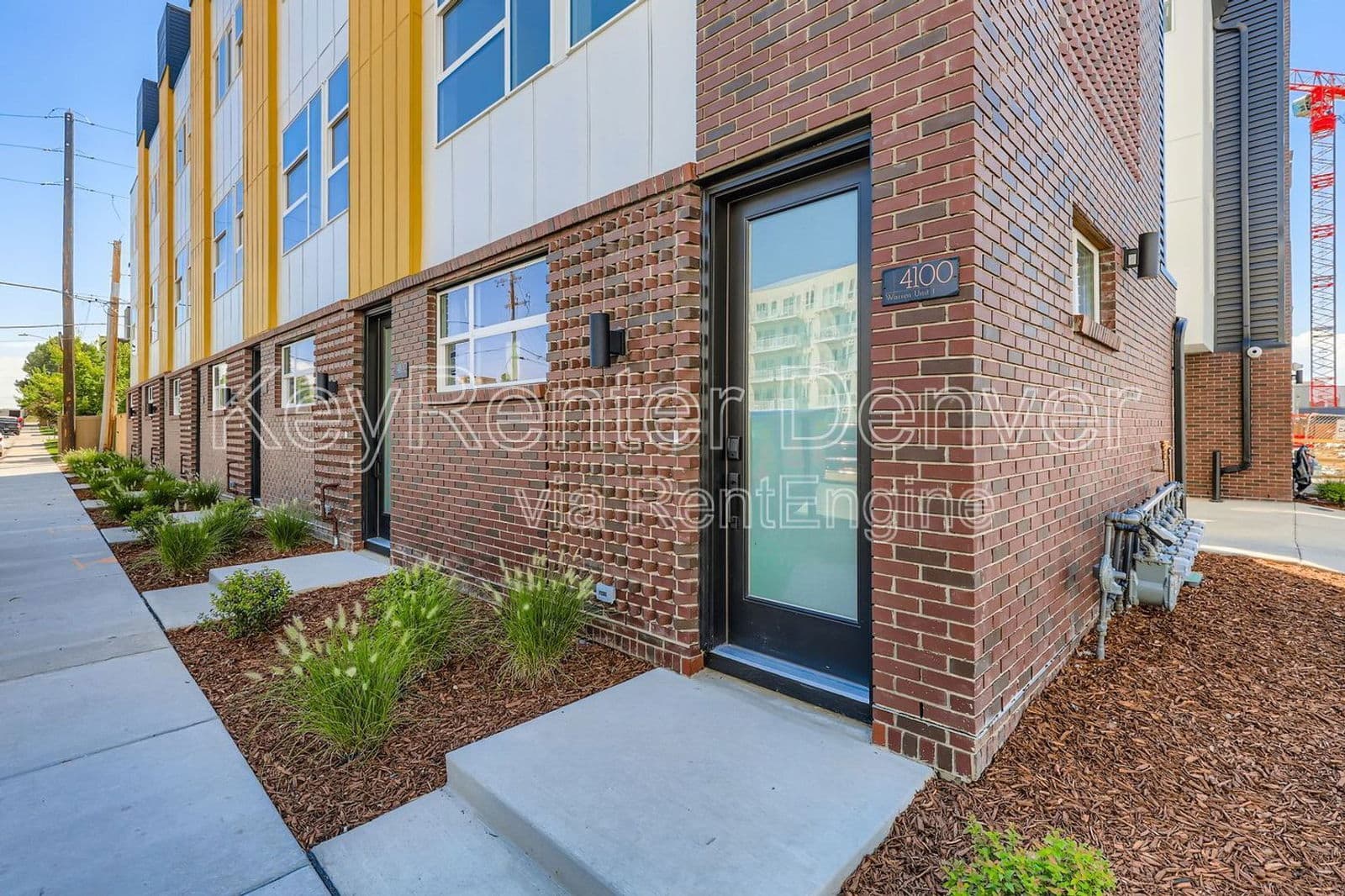
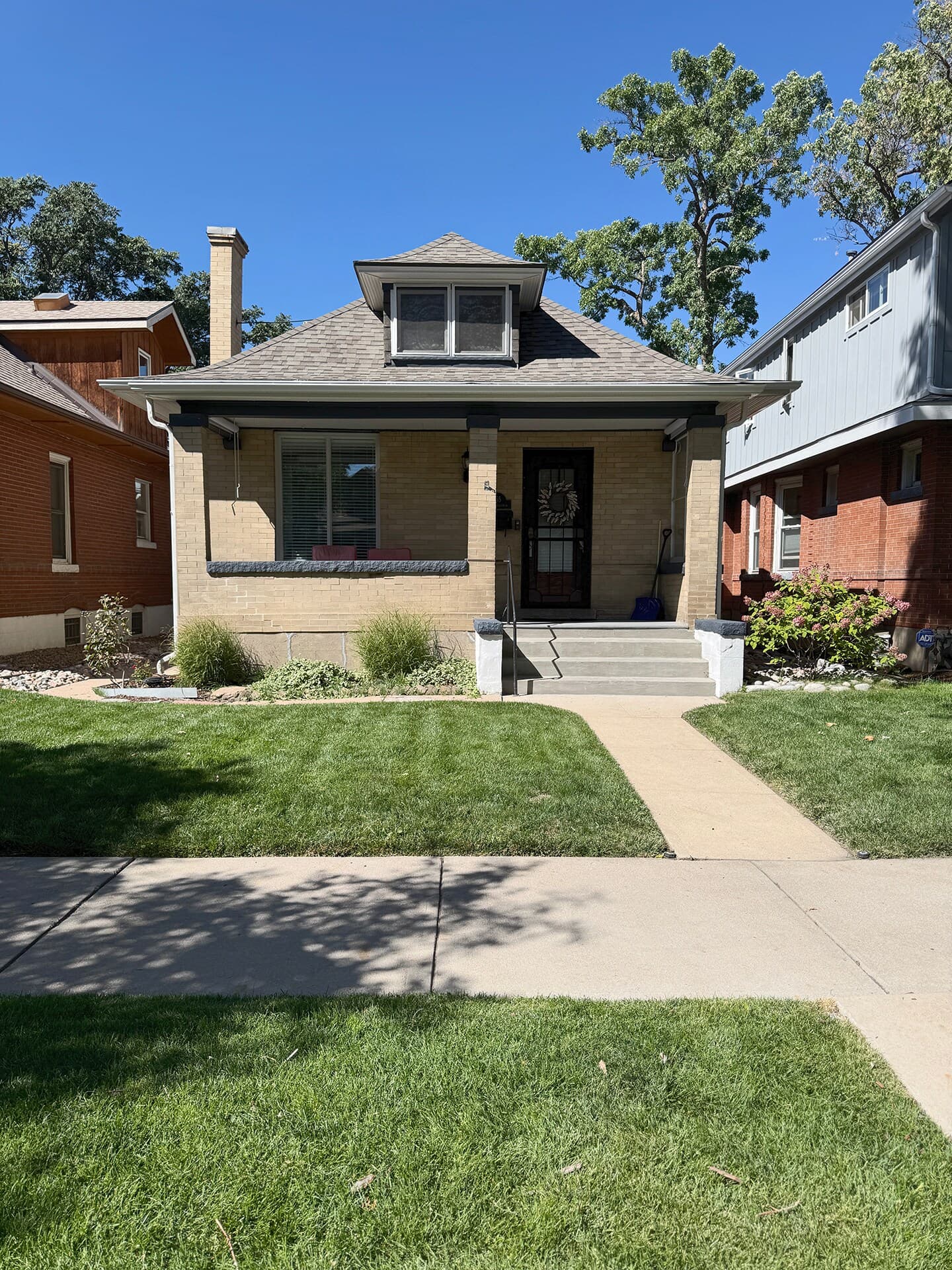
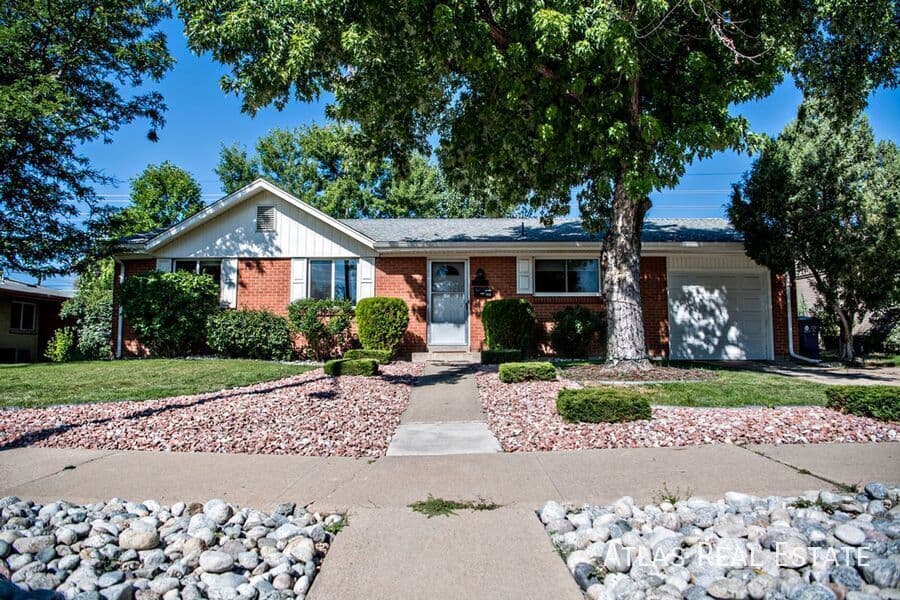
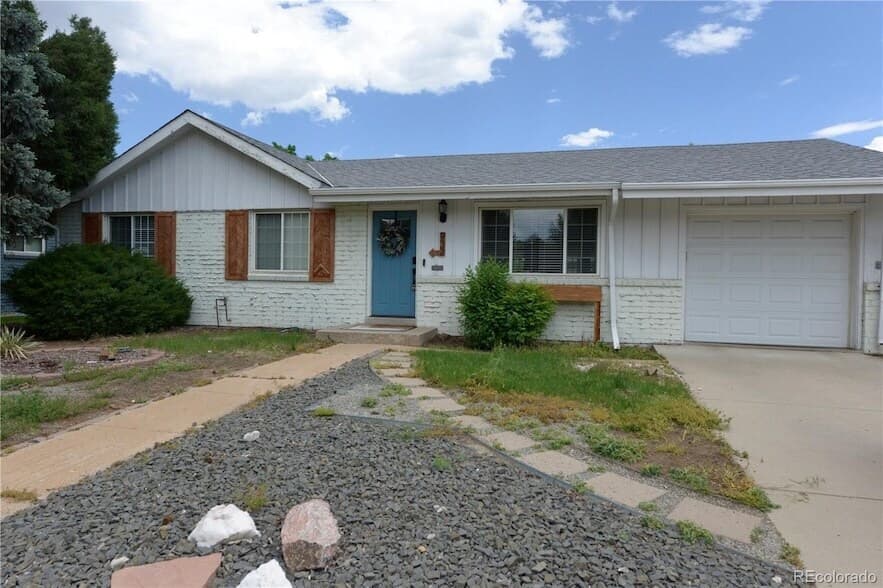
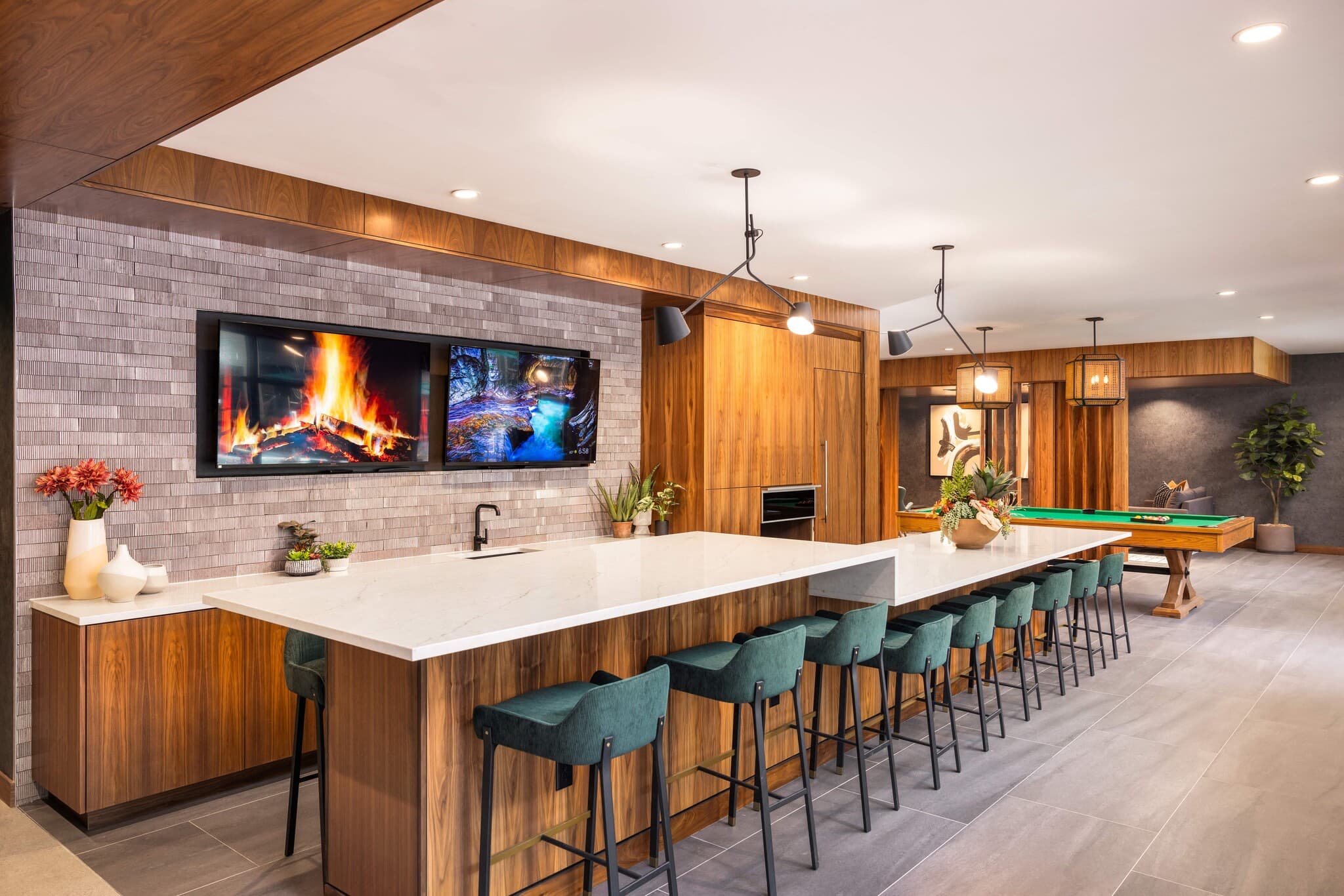
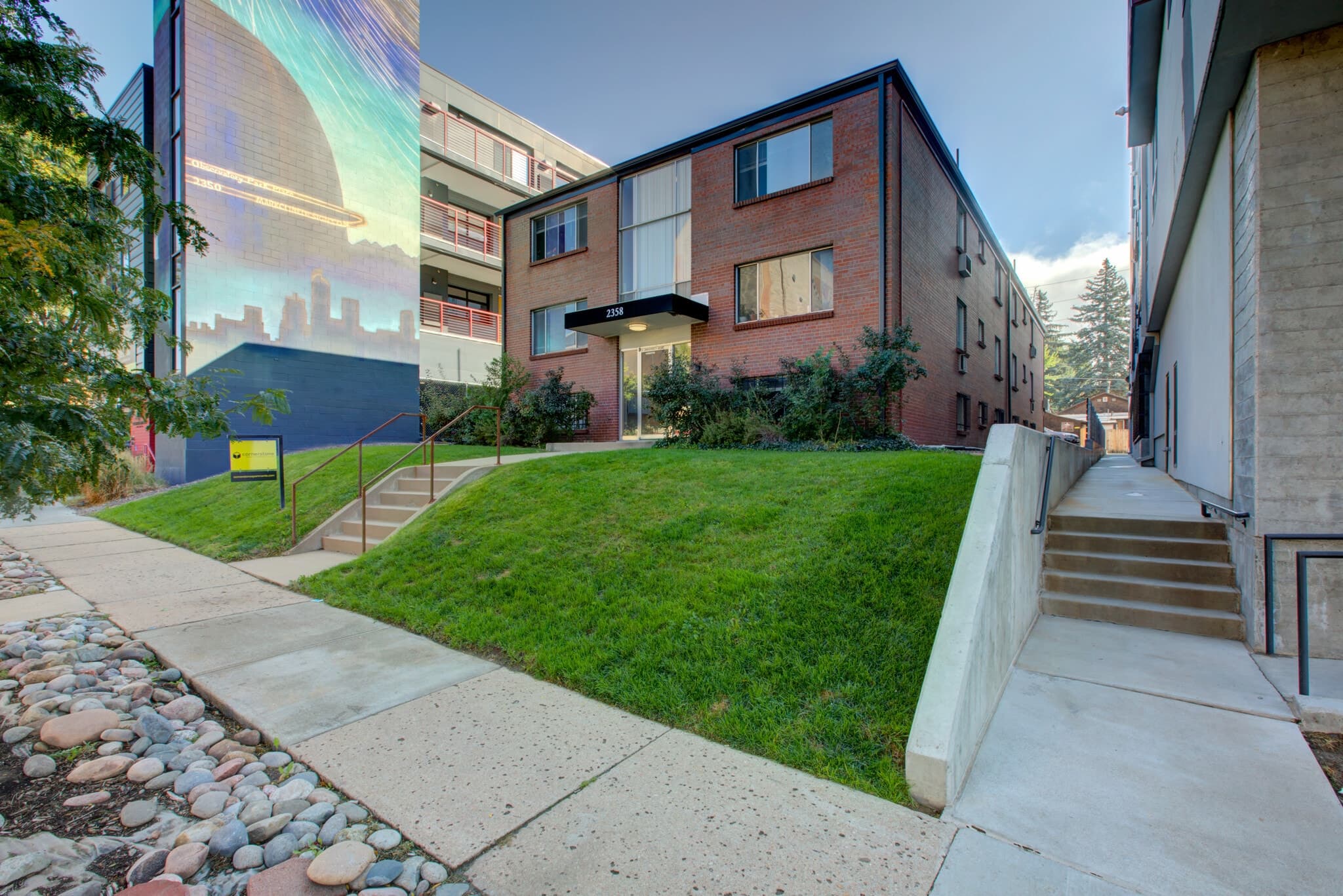
About Student Housing in Denver
Denver's student housing market is large and fragmented across several campuses — University of Denver, University of Colorado Denver, Metropolitan State, and Regis all draw students to different parts of the city. The overall market has gotten more expensive as Denver has grown into a major metro, and the tightest zones are around DU's campus in University Hills and around Auraria campus downtown. Students at Auraria-based schools (CU Denver, MSU, CCD) often gravitate to the Capitol Hill and Five Points areas, which have the most affordable options close to the light rail network. Denver is one of the more legitimately transit-capable major cities in the Mountain West.
Best Neighborhoods for Students in Denver
University Hills / Observatory Park (Near DU)
The primary zone for DU students — walkable to campus, quiet and residential, but among the more expensive areas in Denver. Light rail access to downtown is solid.
Capitol Hill
Dense, affordable by Denver standards, and directly on the light rail network to Auraria campus. Popular with CU Denver and MSU students. Older housing stock but genuine walkability and neighborhood character.
Five Points / RiNo
Between Capitol Hill and downtown, with a mix of older apartments and newer development. Light rail accessible, increasingly expensive, but still cheaper than University Hills for comparable units.
Getting Around Denver as a Student
Here's what you need to know about getting around Denver.
Public Transit
RTD light rail and bus rapid transit cover Denver well by Mountain West standards. The W Line connects to Auraria; the E/F Lines serve the DU corridor. Bus coverage fills in gaps. For students near light rail stations, going car-free is genuinely viable for most daily needs.
Walking and Biking
Capitol Hill and University Hills are walkable within their neighborhoods. Denver has expanded bike lanes significantly in recent years, with protected lanes on key corridors connecting to both campuses. The terrain is flat, which helps. B-Cycle and Lime bikes fill short-trip gaps.
Parking
On-campus parking at DU and Auraria is limited and expensive. Most students in walkable neighborhoods leave the car parked and use transit or bike. If you live off the transit lines, a car is more necessary.
Frequently Asked Questions: Student Housing in Denver
Common questions from students searching for housing.
Denver has gotten expensive. Shared units near DU or Auraria typically run $900-$1,300/mo per person. Capitol Hill offers some of the best value in the city at $800-$1,100/mo, but prices have risen sharply across the metro. Utilities are usually separate.
University Hills and Observatory Park are right for DU students who want walkability. Capitol Hill is best for Auraria students who want affordability and character. Five Points and RiNo work for students who want to be between downtown and the campuses.
Yes, if you live near light rail. RTD's network reaches both major student campuses, and bus coverage fills gaps. Denver is one of the more transit-capable Mountain West cities, and many students live car-free successfully.
December through March for the following fall. University Hills fills earliest for DU students. Capitol Hill has more turnover and availability into spring. Starting after April puts you in reactive mode.
More available than smaller Colorado markets. Capitol Hill and the areas around Auraria have a higher proportion of private landlords who are flexible on terms. Summer sublets are common. Semester leases are possible but require specifically looking for them.
On Find My Place, Oso Apartments leads in Denver with a 5/5 overall rating across 5 reviews. Muse (5/5) and Sentral (5/5) round out the top three. These are the places that consistently rate well across location, value, social, management, and quality — start here if you want a safe pick.
Modera University Park tops the social rating in Denver at 5/5 — students consistently flag the vibe and amenities. Close behind: Oso Apartments (5/5) and Muse (5/5). Pick from these if you don't want to chase a social scene from your apartment.
Oso Apartments holds the highest management rating in Denver at 5/5. Muse (5/5) and Sentral (5/5) follow. Management ratings track responsiveness, transparency, and how landlords handle problems — the things you'll feel every month, not just on tour.
Top quality picks on Find My Place in Denver: Modera University Park (5/5), Oso Apartments (5/5), and Muse (5/5). Quality ratings cover the physical state — appliances, finishes, maintenance — so this is the list to start with if you want a place that holds up after move-in.
Most students in Denver cluster in University Hills / Observatory Park (Near DU), Capitol Hill, and Five Points / RiNo. These neighborhoods are the natural starting point for any housing search — close to campus, walkable, and where current students consistently land. See the "Best Neighborhoods for Students" section above for what each one is actually like.
Universities in Denver
Denver is home to 5 universities, each with its own student housing market.
Community College of Denver
The Community College of Denver serves about 7,300 students on the Auraria Campus in downtown Denver, which it shares with Metropolitan State University of Denver and the University of Colorado Denver. CCD offers associate degrees and certificates with strong transfer pathways into the two universities on the same…
View housing near Community College of DenverMetropolitan State University of Denver
Metropolitan State University of Denver is a public university of about 19,100 students on the Auraria Campus in downtown Denver, a campus it shares with the Community College of Denver and the University of Colorado Denver. MSU Denver is one of Colorado's largest undergraduate institutions and is built around access,…
View housing near Metropolitan State University of DenverRegis University
Regis University is a private Jesuit university in the Berkeley neighborhood of northwest Denver, combining faith-based liberal arts education with the resources of a major city. With roughly 4,000 to 5,000 students, Regis offers programs in the liberal arts, sciences, business, nursing, and education grounded in…
View housing near Regis UniversityUniversity of Colorado Denver
CU Denver is an urban campus on the Auraria campus complex in downtown Denver, shared with Metropolitan State University and Community College of Denver. Students are mostly from the Denver metro area and commute from throughout the city — there is no single dominant off-campus neighborhood for CU Denver students the…
View housing near CU DenverUniversity of Denver
The University of Denver is a private university in the University Hills neighborhood of south Denver, and the surrounding rental market is notably more expensive than most of the city. DU students pay a premium for proximity to the campus, which is in one of Denver's more upscale residential areas. Shared rooms near…
View housing near DUFind Housing by University in Denver
Browse student housing near each Denver-area university.
Search Denver Student Housing by…
Lifestyle
See how students rate apartments in Denver, CO on social life, management, and quality before you tour.
Read student apartment reviews in Denver, CO →More on student housing in Denver, CO
 Live
LiveRoommate Matching: How to Find the Right Roommate at Universities in Denver
December 23, 2025read more → Find
FindRTD CollegePass Explained: How Denver Students Ride Free (and Why It Should Shape Your Housing Search)
December 23, 2025read more → Find
FindOff Campus Housing Near Denver’s Auraria Campus: Where CU Denver, MSU Denver, and CCD Students Should Look
December 23, 2025read more →