Off-Campus Housing Near Emerson College
Off-Campus Housing Near Emerson College
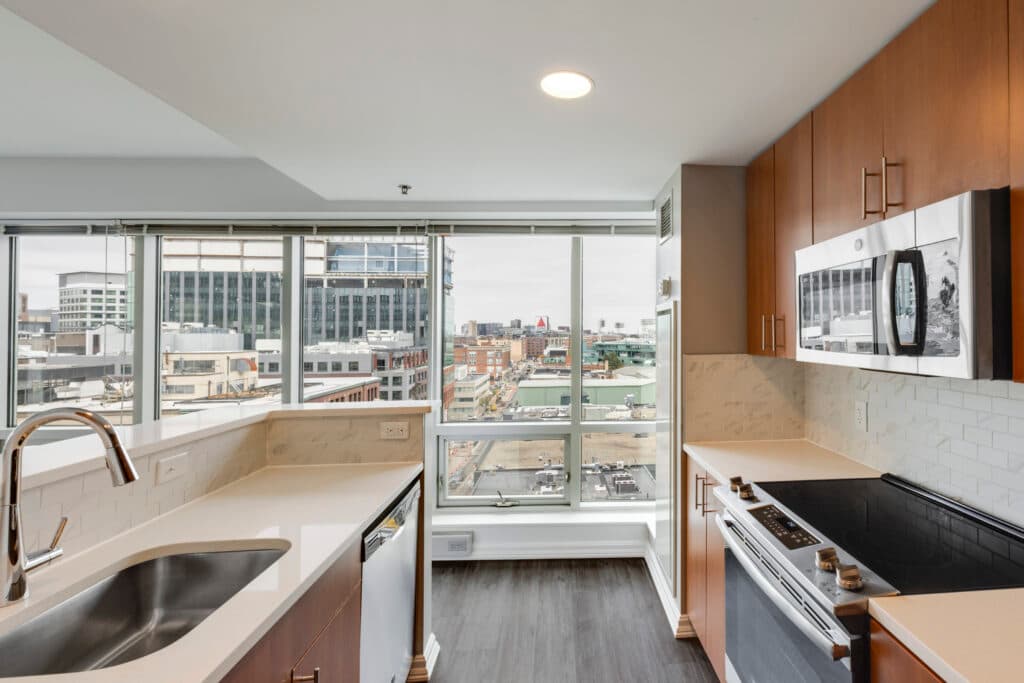
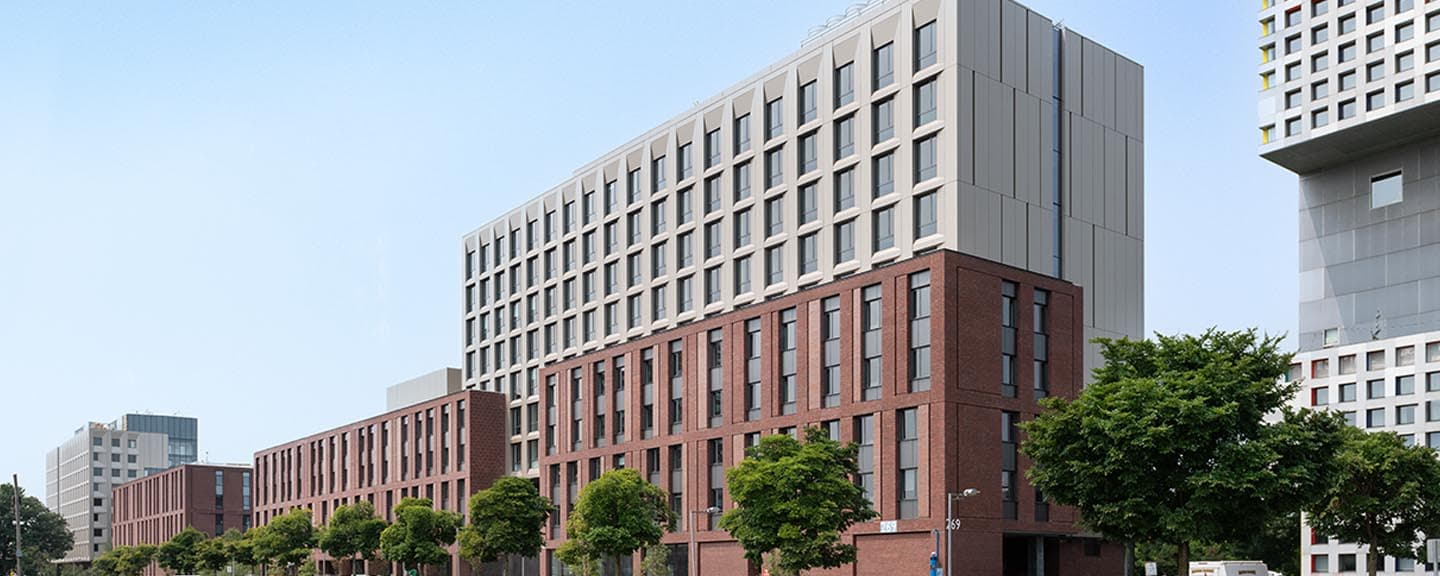
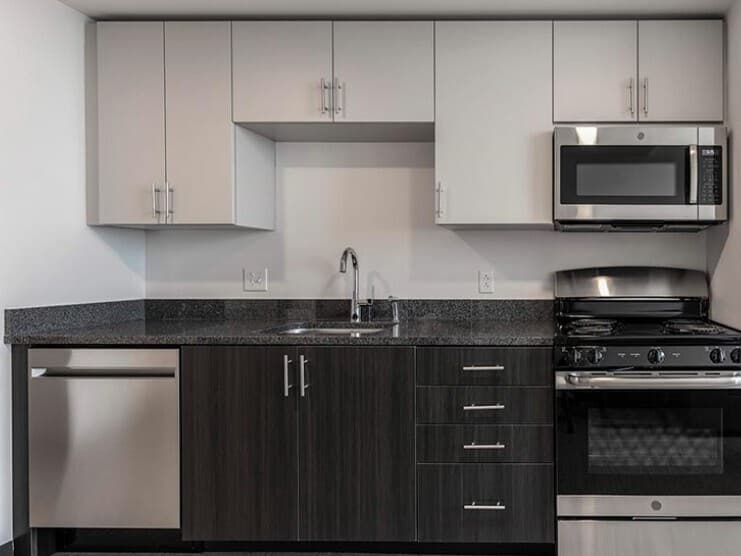
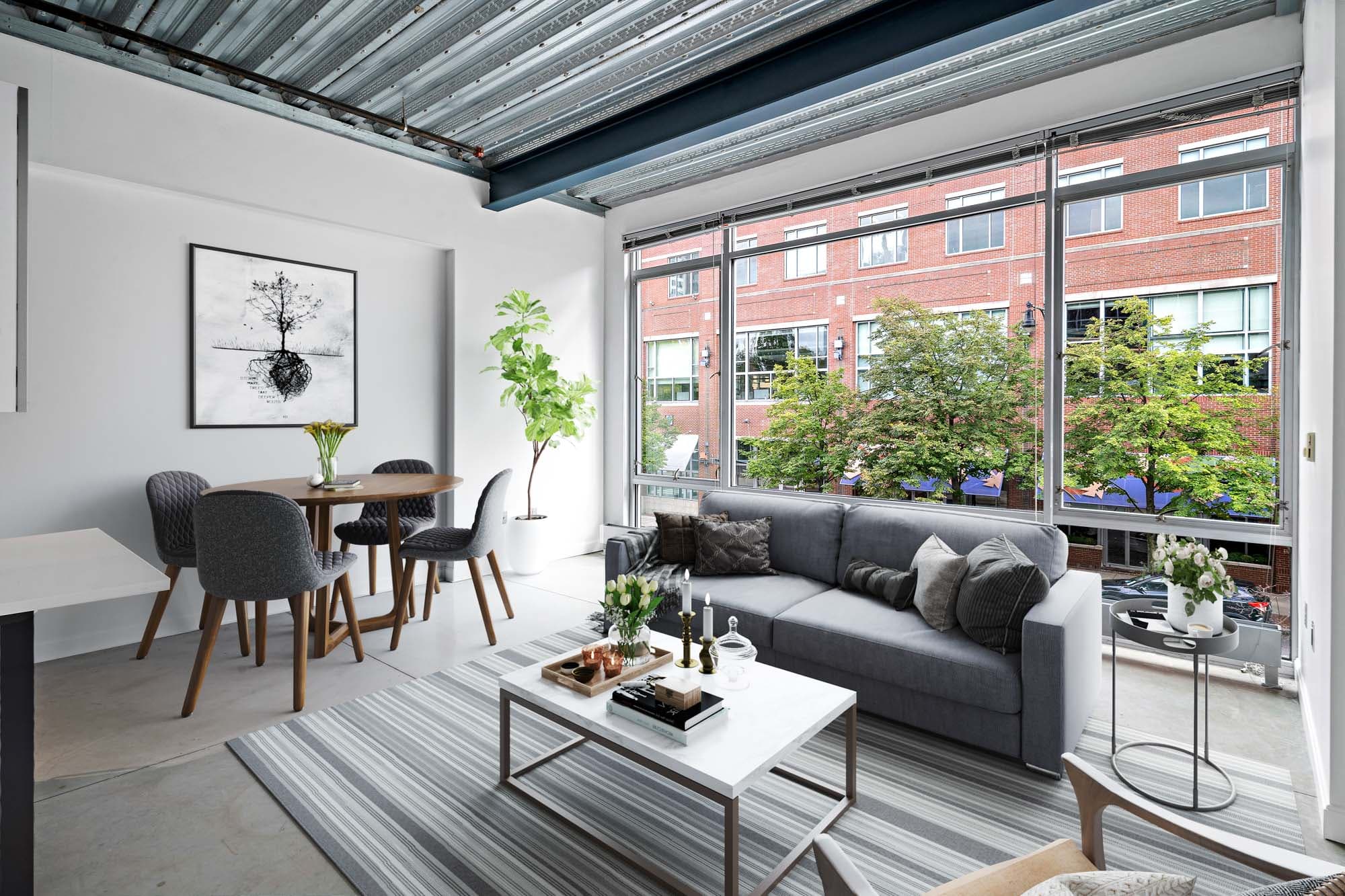





About Off-Campus Housing Near Emerson College
Emerson College plants about 5,100 arts and communication students in downtown Boston, with a compact campus wrapping the southeast corner of the Boston Common in the historic Theatre District. There's no leafy quad here: the city is the campus, and the Common, Public Garden, and State House are your front yard. Students live a vertical, walkable life, with first-years filling the landmark Little Building tower on Boylston Street. The school runs on production energy, and the student-run EVVY Awards, one of the largest student award shows in the country, is the spring highlight. The MBTA Green Line stops at Boylston right outside, and the Orange Line is a block away at Chinatown, so the whole city is a short ride.
Emerson College Housing Requirements
Freshman Live-On Requirement
Emerson requires new first-year students to live in a College residence hall, so as an incoming student you will be downtown in housing like the Little Building with the rest of your class. Exemptions to the residency requirement can be granted by Housing and Residential Education, usually for students commuting from a nearby family home or with specific circumstances. The default is on campus downtown.
Off-Campus Eligibility
Transfer and upper-class students have more freedom to live off campus, and many move into Boston neighborhoods by junior or senior year, often with help from the Office of Off-Campus Student Services. The Boston rental process is demanding, with most leases turning over September 1. Confirm the unit's legal occupancy before stacking roommates.
Lease Timing
Most leases run twelve months, and landlords routinely ask for first month, last month, a security deposit, and a broker fee, which can mean a large sum due before you get keys. Read the lease for heat and utility responsibility. Be ready to sign quickly as a group, because downtown units move fast.
Housing policies change frequently. Always verify current requirements directly with Emerson College before signing a lease.
When to Start Looking for Housing Near Emerson College
Early Searchers
Boston has one of the most aggressive leasing cycles in the country, and downtown is the toughest part of it. A huge share of leases turn over on September 1, so the hunt starts the previous winter and peaks from January through April. If you want a place in the neighborhoods near campus, you almost have to start looking in late winter. The best units get claimed months ahead.
Peak Demand Window
Demand peaks from January through April, and the closest, most central units go first. Classes begin in early September, right as the September 1 turnover floods the city, making move-in week famously chaotic. The blocks near campus draw the fiercest competition. Groups that searched in late winter dominate this stretch.
Last-Minute Options
If you miss the spring rush, keep checking through summer for leftover units and watch for January openings from students leaving for co-ops or study away. Summer subletting is common, so a short-term room downtown is usually findable even when the fall market feels impossible. The Green and Orange Lines are steps away, so a unit a ride out still works. Acting the day you tour matters here.
Neighborhoods Near Emerson College
Beacon Hill and Back Bay
Right by campus, gorgeous and central but among the most in-demand blocks in the city.
Bay Village and Chinatown
Bay Village is a tiny, quiet pocket of low brick row houses steps from Emerson, while Chinatown is closest of all, dense and walkable around the clock.
The South End
A short bus or walk away, full of brownstones and a strong arts crowd, while students after more room look outward to Mission Hill, Allston, or across the river toward Cambridge and Somerville.
Frequently Asked Questions: Off-Campus Housing Near Emerson College
Common questions from students searching for housing.
A room in a shared apartment near campus typically runs about $1,100-$1,800/month per person, and the blocks right around Emerson, like Beacon Hill and Back Bay, are some of the priciest in Boston. To bring your share down, students split larger units or look outward to Mission Hill, Allston, or across the river toward Cambridge and Somerville on the transit lines, where the same money goes further.
Yes. Emerson requires new first-year students to live in a College residence hall, and most land in the landmark Little Building tower downtown. You can request an exemption through Housing and Residential Education, usually if you're commuting from a nearby family home or have specific circumstances, but on campus is the default.
Usually junior or senior year, with transfer students often off campus sooner. After the required first year, upper-class students can move into Boston neighborhoods, and the Office of Off-Campus Student Services helps with listings and roommates.
In the downtown and adjacent neighborhoods: Beacon Hill, Back Bay, Bay Village, the South End, and Chinatown are closest and most popular. Students wanting more space for the money head to Mission Hill, Allston, or across the river to Cambridge and Somerville, all reachable on the T.
Skip the car. Emerson sits on the MBTA Green Line at Boylston with the Orange Line a block away at Chinatown, and the whole city is walkable or a short ride. Downtown parking is scarce and pricey, so almost no students keep a car. The T and your own two feet cover everything.
Start in late winter, around January to April, since Boston's market moves early and most leases turn over September 1. The closest, most central units go first and get claimed months ahead, so the earlier you line up a roommate group and start touring, the better.
Most are 12-month leases tied to the September 1 turnover. Boston is notorious for broker fees on top of first month, last month, and a security deposit, so you may owe a large sum before move-in. Read who pays for heat and utilities, confirm the legal occupancy of the unit, and act fast, because downtown listings disappear quickly.
The central neighborhoods where most students live, like Beacon Hill, Back Bay, and Bay Village, are well-trafficked and generally considered safe. As in any downtown, stay aware around the Common and transit stations late at night, travel with friends, and use normal city precautions. The busy, well-lit blocks near campus are about as comfortable as it gets.
Sometimes heat or hot water is included, but often not. Budget roughly $70-$150/month per person for electricity, heat, and internet, with winter heating pushing the high end. Always ask which utilities are covered before signing, since older Boston buildings can be expensive to heat, and split the rest evenly with roommates.
For a lot of students, yes. Emerson's life runs on late nights in studios, theaters, and editing rooms, plus events like the student-run EVVY Awards, so living within a quick walk or short T ride keeps you close to the work. Many trade more space further out for the convenience of being near the Theatre District action.
More Housing Near Emerson College
Search by Room Type
Search by Lifestyle
Other Universities in Boston
Other universities in Boston share a similar off-campus housing market.
Boston University
Boston University stretches about 32,700 Terriers along a mile and a half of Commonwealth Avenue, right on the Charles River in Boston. There's no quad to speak of; campus is the city, woven into the Green Line trolley that runs straight down Comm Ave to Kenmore Square and downtown. The Charles River Esplanade is BU's…
View housing near BUNortheastern University
Northeastern University packs about 22,905 students into Boston's Fenway area, with a compact urban campus wedged between the Fenway, Roxbury, and the South End. There's no big quad to speak of: the city is the campus, and the Museum of Fine Arts and the Isabella Stewart Gardner Museum sit right at the edge of it.…
View housing near NortheasternSimmons University
Simmons University sits about 6,300 students in the Fenway, one of Boston's most walkable and culture-dense neighborhoods, right in the middle of the city's college belt. The residential campus tucks beside the Emerald Necklace, Olmsted's chain of public parks, with the Back Bay Fens steps from the door. Just around…
View housing near Simmons UniversityUniversity of Massachusetts-Boston
UMass Boston is the city's public research university, sitting on Columbia Point in Dorchester, a peninsula jutting into Dorchester Bay next to the JFK Presidential Library. About 16,000 students go here, and it was a commuter campus for more than fifty years: the first residence halls only opened in 2018, with room…
View housing near UMass BostonSee how students rate the places near Emerson College on social life, management, and quality before you tour.
Read student housing reviews near Emerson College →