Off-Campus Housing Near Milwaukee Area Technical College
Off-Campus Housing Near Milwaukee Area Technical College
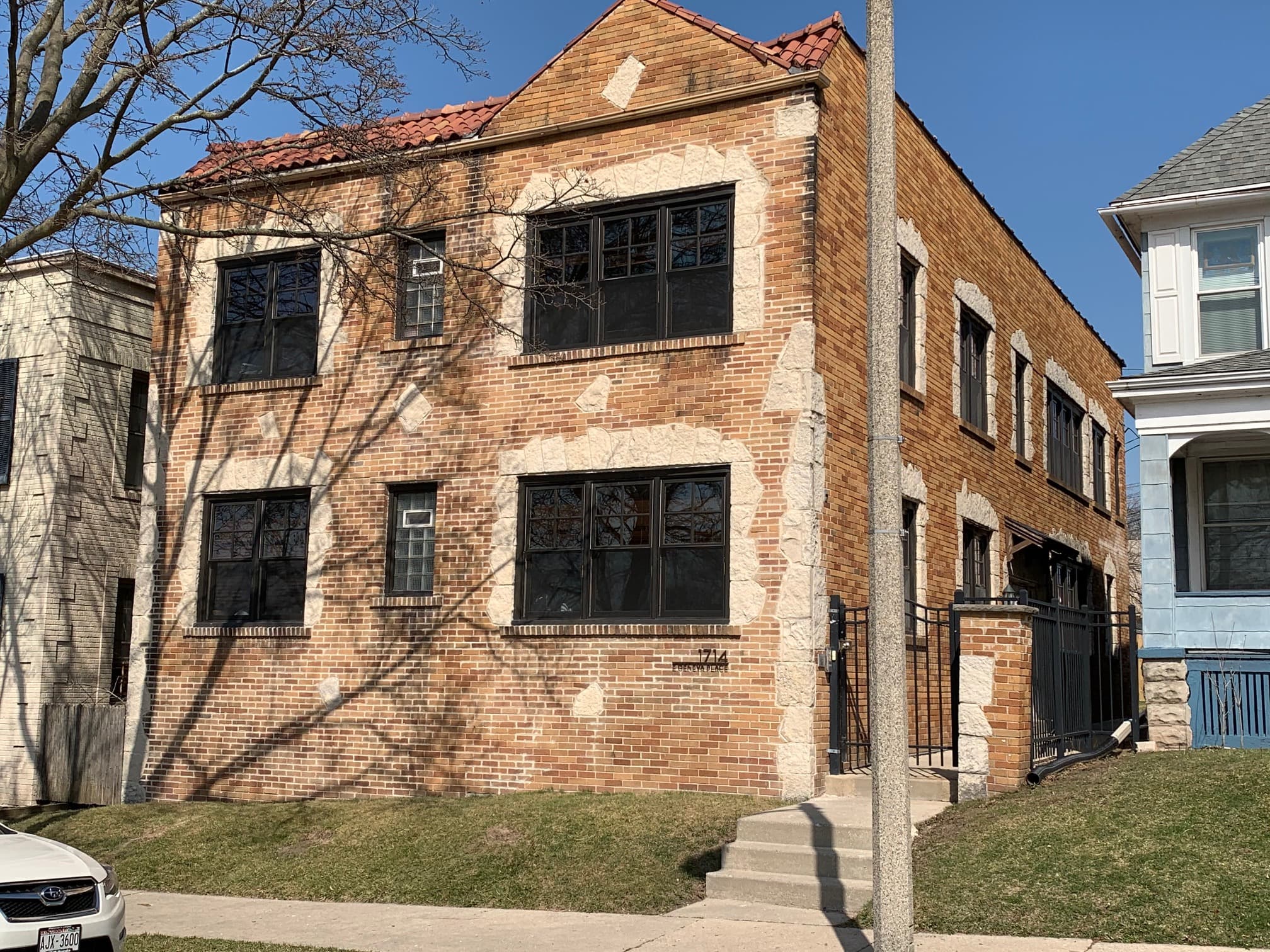
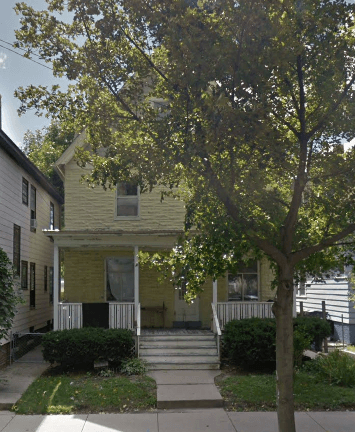
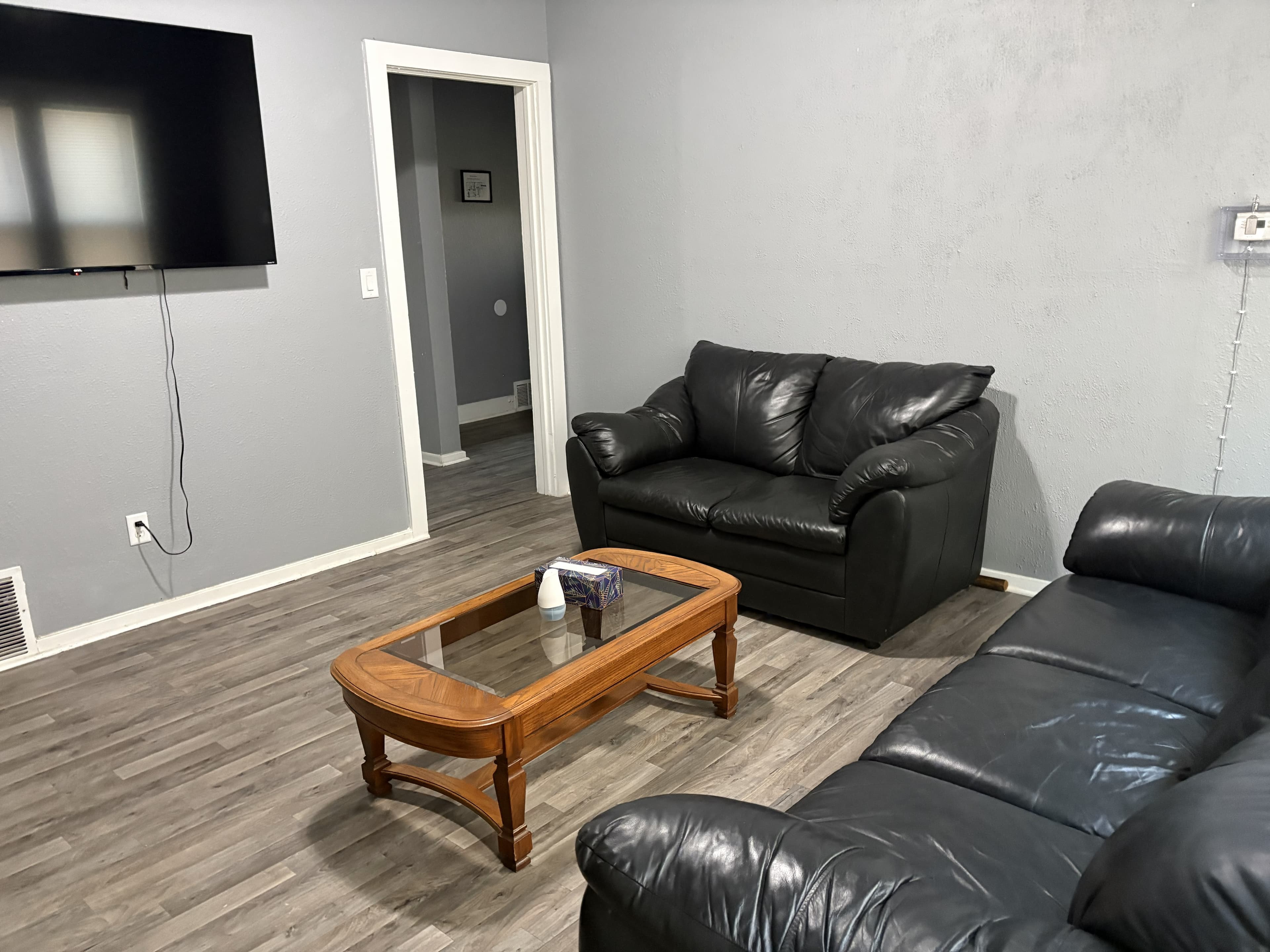
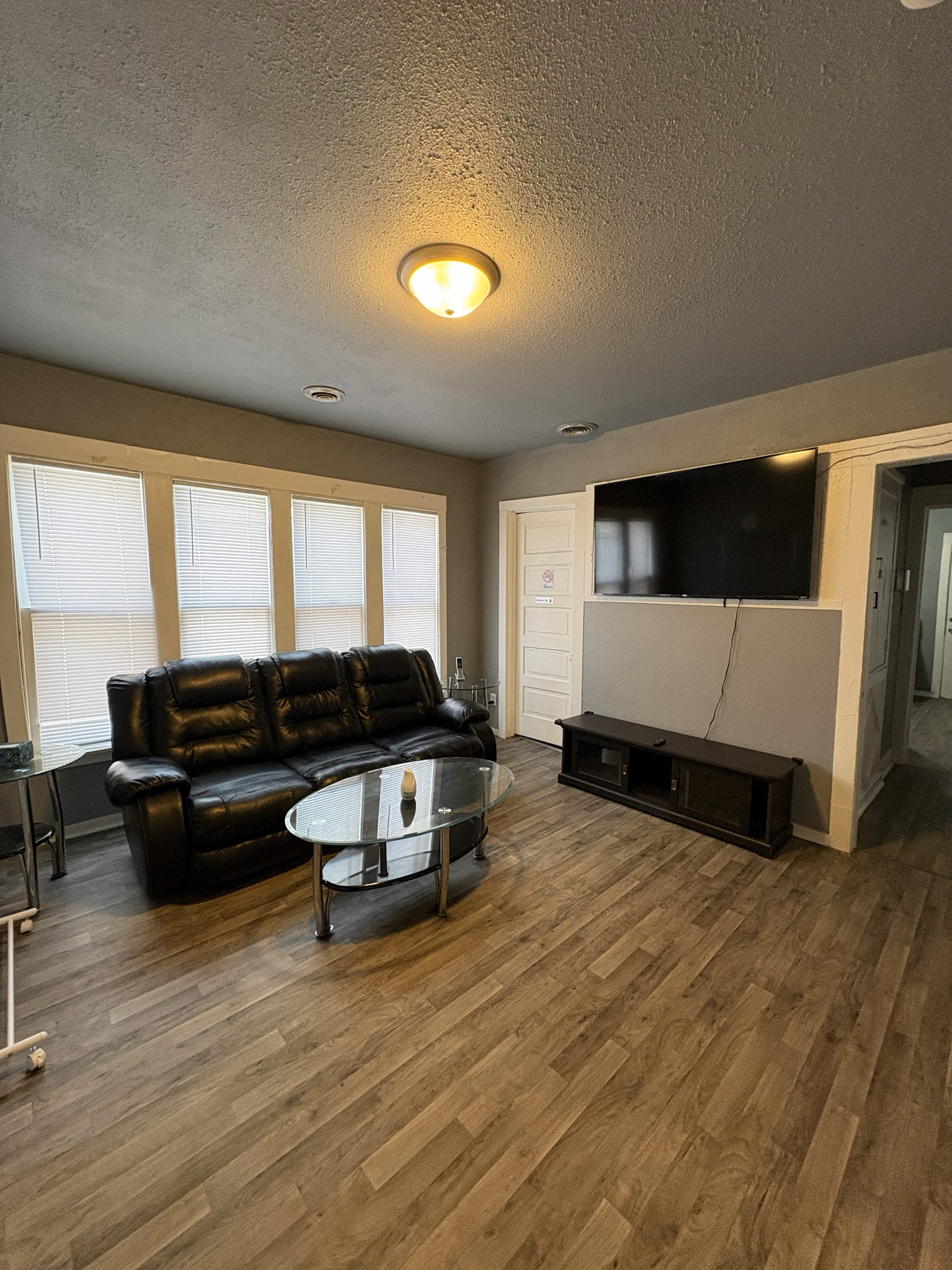
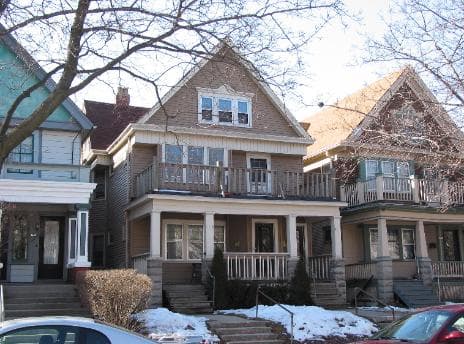
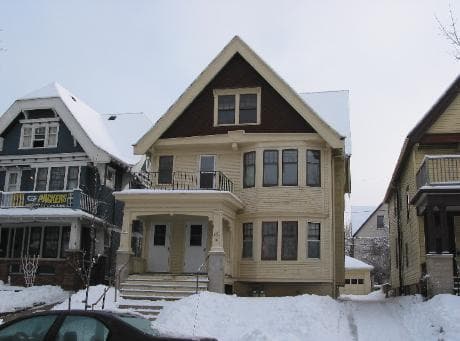
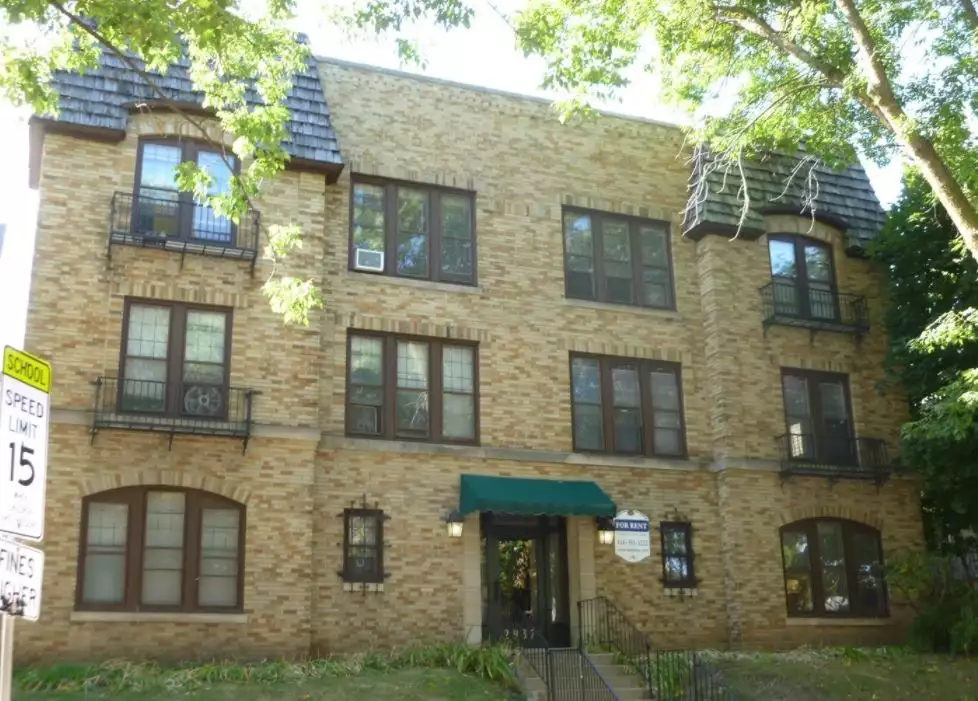
About Off-Campus Housing Near Milwaukee Area Technical College
Milwaukee Area Technical College, widely known as MATC, is a large public two-year institution serving the Milwaukee metropolitan area with a student body of approximately 20,000 students across four campuses. The main campus is located in downtown Milwaukee on West State Street, flanked by the Milwaukee River and within walking distance of major city landmarks. MATC offers associate degrees, technical diplomas, and workforce development certificates in fields ranging from health sciences and information technology to culinary arts, business, and skilled trades. As a community college, MATC is designed to serve working adults, first-generation college students, career changers, and recent high school graduates who are seeking an affordable, practical path to employment or transfer. Tuition is significantly lower than at four-year universities, and the college draws students from across Milwaukee, Waukesha, Ozaukee, and Washington counties. Because MATC is a commuter institution with no on-campus housing, students are expected to live independently and travel to campus for classes. The downtown Milwaukee campus is well-served by Milwaukee County Transit System bus routes, making it one of the more transit-accessible campuses in Wisconsin. Students typically live in Milwaukee neighborhoods, the suburbs, or other communities throughout the metro and commute by bus, car, or bicycle depending on where they live.
Milwaukee Area Technical College Housing Requirements
Freshman Live-On Requirement
Milwaukee Area Technical College does not have on-campus housing and therefore has no live-on requirement for any students, including freshmen. MATC is a commuter institution, and all students are expected to arrange their own housing independently. There are no dormitories, residential halls, or university-affiliated housing programs at any MATC campus.
Off-Campus Eligibility
All MATC students live off campus by definition. Students choose housing based on their own budgets, proximity to their preferred campus, and access to transportation. Many students live in Milwaukee neighborhoods near the downtown campus, while others commute from surrounding suburbs or from elsewhere in Milwaukee, Waukesha, Ozaukee, or Washington County. The college provides no formal housing referral or placement service.
Lease Timing
Milwaukee's rental market operates on a general calendar rather than a strictly academic one, though turnover near the downtown campus does align somewhat with semester cycles. Students who plan to move closer to campus for the fall semester are advised to begin searching in March or April to secure the best available units at reasonable prices. Summer is an active rental period in Milwaukee, and waiting until July or August can mean higher competition and fewer options in the most desirable neighborhoods near campus.
Housing policies change frequently. Always verify current requirements directly with Milwaukee Area Technical College before signing a lease.
When to Start Looking for Housing Near Milwaukee Area Technical College
Early Searchers
Students who begin their housing search in late winter or early spring, roughly February through April, will have the most options available in Milwaukee neighborhoods near the downtown MATC campus. Starting early allows students to compare multiple units, understand the range of prices in different neighborhoods, and avoid the summer rush when rental activity across the city intensifies. For students relocating from outside Milwaukee, early searching also provides more time to coordinate logistics such as transportation, employment, and financial aid timelines.
Peak Demand Window
Milwaukee's broader rental market sees its highest activity between May and August as both students and non-student renters move between leases. Near the downtown campus, this means that available units in neighborhoods like Walker's Point, the Historic Third Ward, and the lower east side tend to move quickly during late spring and early summer. Students competing for well-priced units in walkable or transit-accessible locations should plan to be ready to apply and commit quickly when they find a suitable option during this window.
Last-Minute Options
Students who find themselves searching in August or even September are not without options in Milwaukee. The city has a substantial and varied rental market, and units do come available throughout the year. Outer neighborhoods and areas slightly farther from downtown will generally have more last-minute availability than the immediately surrounding blocks. Students in this position should use multiple listing platforms, reach out to property management companies directly, and consider short-term furnished rentals as a bridge while continuing to search for a standard lease.
Neighborhoods Near Milwaukee Area Technical College
Walker's Point
Located just south of downtown Milwaukee, Walker's Point is one of the city's most diverse and artistically active neighborhoods, with easy access to the MATC downtown campus via a short bus ride or bike commute. The neighborhood has a mix of older apartment buildings, converted lofts, and newer units, with rents that tend to be more affordable than the Historic Third Ward.
Historic Third Ward
The Historic Third Ward is a trendy, well-maintained neighborhood immediately adjacent to downtown Milwaukee and within easy walking distance of MATC's main campus. It features converted warehouse apartments, upscale dining, and boutique retail, though rents are among the higher end for central Milwaukee. Students who prioritize walkability and a lively neighborhood character may find it worthwhile.
Midtown and Near West Side
The Midtown and Near West Side neighborhoods offer more affordable rents than the central downtown area and are reasonably accessible to campus by Milwaukee County Transit System bus routes. These neighborhoods have a more residential feel, with a mix of single-family homes and multi-unit buildings, and are home to longtime Milwaukee residents and newer arrivals alike.
Bay View
Bay View is a popular neighborhood on the south side of Milwaukee known for its independent businesses, community character, and mix of housing types. It is a reasonable commute to MATC's downtown campus by bus or bicycle and tends to attract students and young professionals who want a quieter setting than the immediate downtown core at prices that are more moderate than the Historic Third Ward.
Frequently Asked Questions: Off-Campus Housing Near Milwaukee Area Technical College
Common questions from students searching for housing.
Rental prices near MATC's downtown Milwaukee campus vary by neighborhood. In areas immediately adjacent to downtown such as the Historic Third Ward, one-bedroom apartments typically run $1,200 to $1,800 per month. In nearby neighborhoods like Walker's Point or the lower east side, prices are often more moderate, ranging from $900 to $1,400 for a one-bedroom. Students who are comfortable with a bus or bike commute from neighborhoods like Bay View or Midtown can often find units in the $800 to $1,200 range.
No. Milwaukee Area Technical College is a commuter institution and does not offer on-campus dormitories or residential housing at any of its campuses. All students are responsible for finding their own housing. MATC does not operate a housing placement service, though advisors may be able to point students toward community resources.
Many students commute to the downtown Milwaukee campus by car, bus, or bicycle depending on where they live. The Milwaukee County Transit System provides reasonably frequent bus service to the downtown area, and the campus is accessible from multiple routes. Students who live within a few miles of campus often find biking or walking to be practical options, particularly in spring and fall.
Like most large cities, Milwaukee has neighborhoods with varying safety profiles. The areas immediately surrounding MATC's downtown campus, including the Historic Third Ward and parts of Walker's Point, are generally considered safe and are frequented by workers, residents, and visitors throughout the day and evening. Students should familiarize themselves with the specific blocks around any apartment they consider and use standard urban safety awareness, especially during late-night hours.
Yes. Milwaukee has a relatively affordable housing market compared to many other major Midwestern cities. Students on tight budgets can find reasonable options in neighborhoods like Midtown, the Near West Side, or Bay View, particularly if they are willing to share a unit with roommates. Shared two- or three-bedroom apartments in these areas can bring individual costs down to $600 to $900 per person per month including utilities in some cases.
MATC does not operate a housing placement program, but the college does have support services including financial aid counseling and student services staff who may be able to connect students with community resources. Students experiencing housing insecurity are encouraged to speak with a student services advisor, as the college is aware that housing instability affects student success and may be able to provide referrals to local assistance programs.
Yes. Many MATC students commute from Milwaukee's suburbs, including communities in Waukesha, Ozaukee, and Washington County. The college draws from a wide geographic area, and commuting by car from suburban locations is common. Students who rely on public transit should note that Milwaukee County Transit System routes are concentrated within the city, and suburban-to-downtown bus service may be limited depending on the specific location.
MATC students live throughout the Milwaukee metro, but neighborhoods near the downtown campus that are popular include Walker's Point, the lower east side, and parts of the Near West Side. Bay View attracts students who want a residential feel at moderate prices with a reasonable commute. The Historic Third Ward is popular but tends to be pricier. Ultimately, students choose based on their commute needs, budget, and personal preferences.
Yes. Milwaukee has furnished and short-term rental options available through platforms like Furnished Finder, Airbnb, and individual property managers. These tend to cost more per month than unfurnished annual leases but can be useful for students who are new to the city, between permanent housing situations, or waiting for a lease to begin. The downtown and near-downtown neighborhoods have the most activity for short-term furnished options.
More Housing Near Milwaukee Area Technical College
Search by Room Type
Search by Lifestyle
Other Universities in Milwaukee
Other universities in Milwaukee share a similar off-campus housing market.
Alverno College
Alverno College sits on Milwaukee's south side at 3400 South 43rd Street, a small private college with deep roots as a historically women's institution known for its distinctive ability-based curriculum. The leafy, walkable campus near Jackson Park feels calm and residential, a world away from a big-university bustle.…
View housing near Alverno CollegeMarquette University
Marquette University sits about 11,550 students ten blocks west of downtown Milwaukee, on a campus that runs along Wisconsin Avenue and bleeds into the city. You're in a real metro here, not a college town: the Milwaukee River, Lake Michigan, and the museum district are all close, and downtown venues are a walk east.…
View housing near MarquetteMedical College of Wisconsin
The Medical College of Wisconsin is a private academic medical institution located on the Milwaukee Regional Medical Center campus in Wauwatosa, a western suburb of Milwaukee. Founded in 1893, MCW enrolls approximately 1,500 students across its MD, PhD, and advanced practice programs, making it one of the largest…
View housing near Medical College of WisconsinMilwaukee Institute of Art and Design
Milwaukee Institute of Art and Design, known as MIAD, is a small private college of art and design located in Milwaukee's Historic Third Ward neighborhood. Founded in 1974, MIAD enrolls approximately 700 undergraduate students across programs in fine arts, graphic design, illustration, interior architecture, industrial…
View housing near Milwaukee Institute of Art and DesignMilwaukee School of Engineering
Milwaukee School of Engineering is a private technical university located in downtown Milwaukee, Wisconsin, enrolling approximately 3,000 students across undergraduate and graduate programs. MSOE is best known for its engineering disciplines, including mechanical, electrical, civil, and software engineering, as well as…
View housing near Milwaukee School of EngineeringMount Mary College
Mount Mary College is a Catholic women's liberal arts college located in Milwaukee, Wisconsin, situated along the Menomonee River Parkway in the northwest part of the city. With an enrollment of approximately 1,500 students, the college offers undergraduate and graduate programs spanning the arts, education, health…
View housing near Mount Mary CollegeUniversity of Wisconsin-Milwaukee
The University of Wisconsin-Milwaukee folds about 24,500 Panthers into the city's upper East Side, a leafy, residential neighborhood minutes from Lake Michigan. That lake proximity defines campus life: students walk to Bradford Beach in warm months and cut through Downer Woods, the school's 11-acre nature preserve, on…
View housing near UWMfind my place guides for Milwaukee Area Technical College
Curated recommendations from students who’ve been there.
See how students rate the places near Milwaukee Area Technical College on social life, management, and quality before you tour.
Read student housing reviews near Milwaukee Area Technical College →