Off-Campus Housing Near Pace
Off-Campus Housing Near Pace

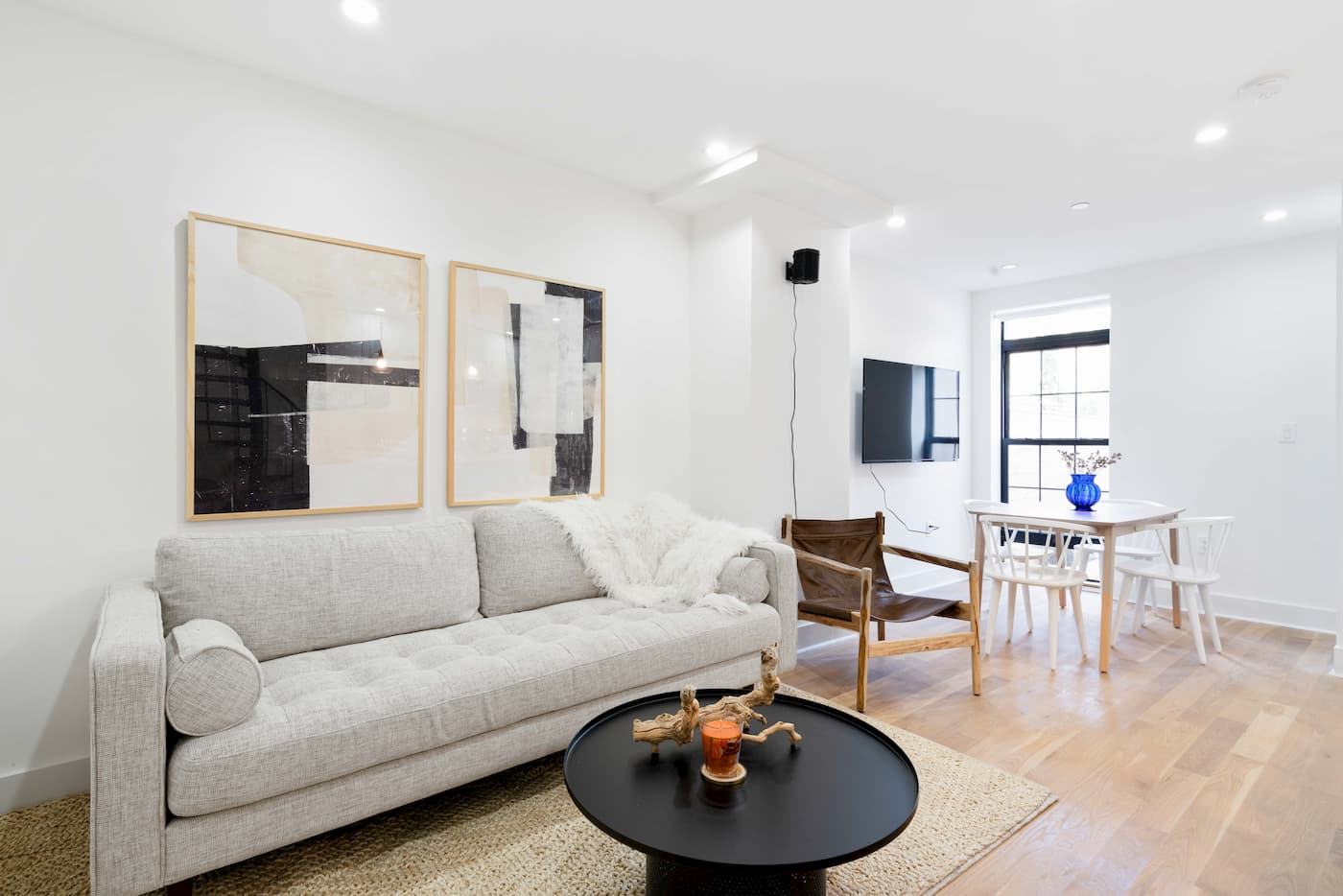
$2,500/person
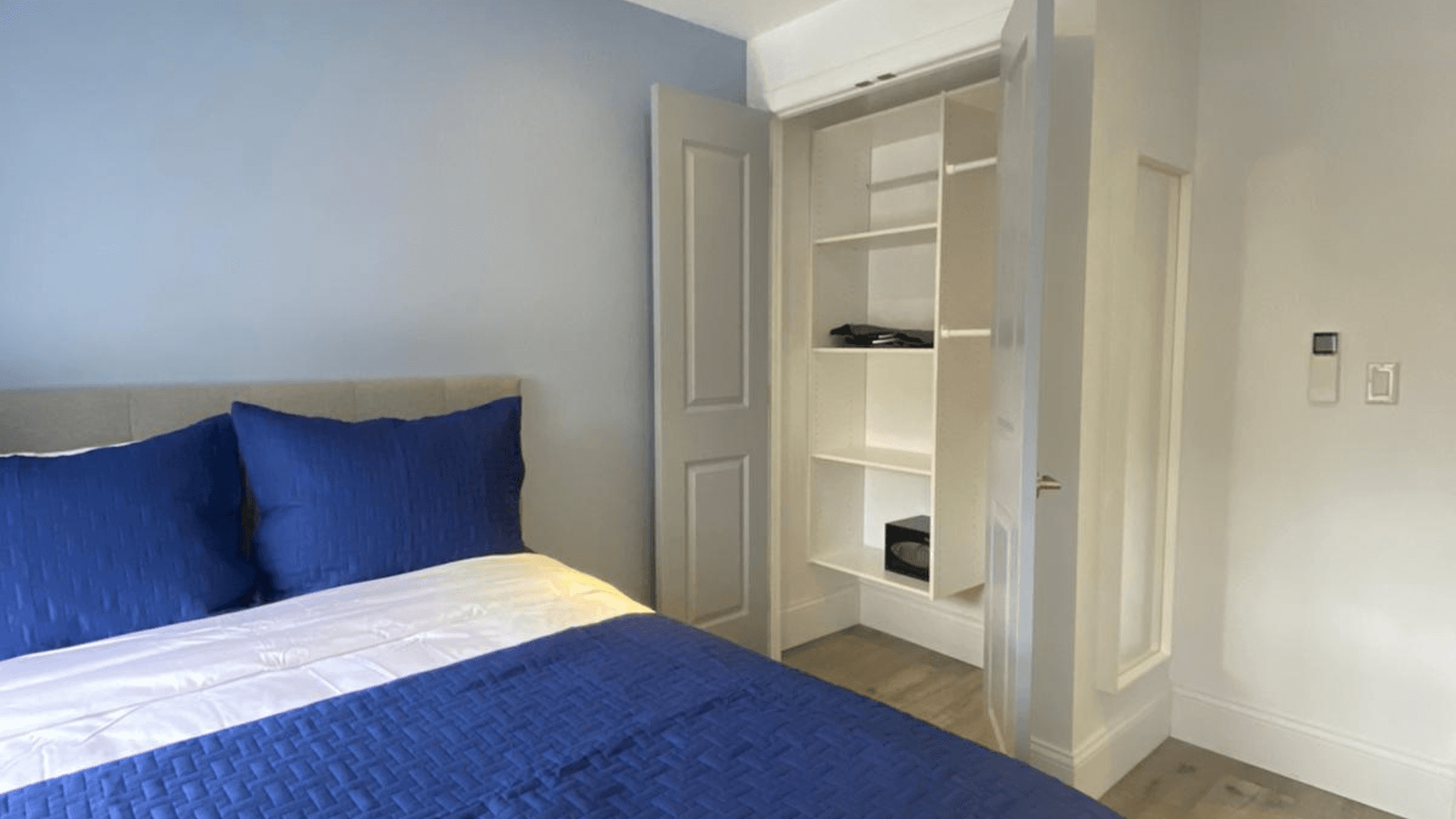
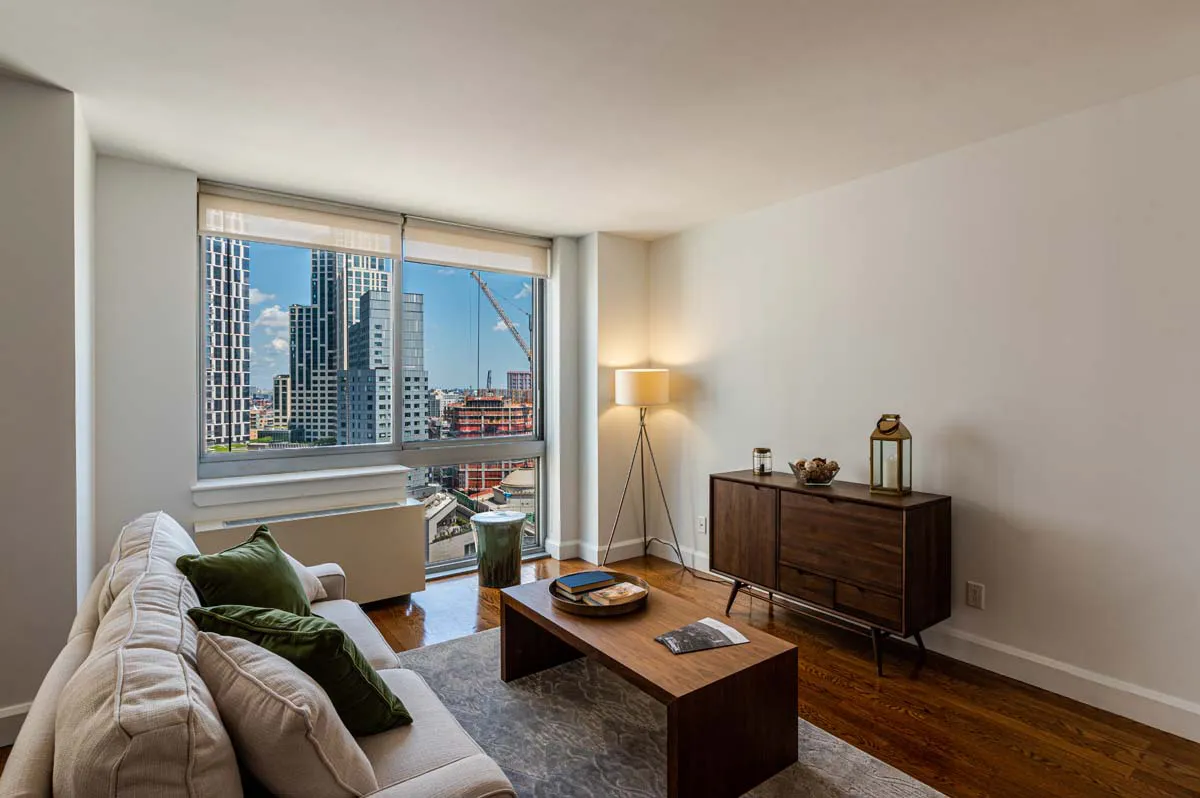
Total monthly priceTownhouse Bedroom Morningside Heights


$1,525+/person
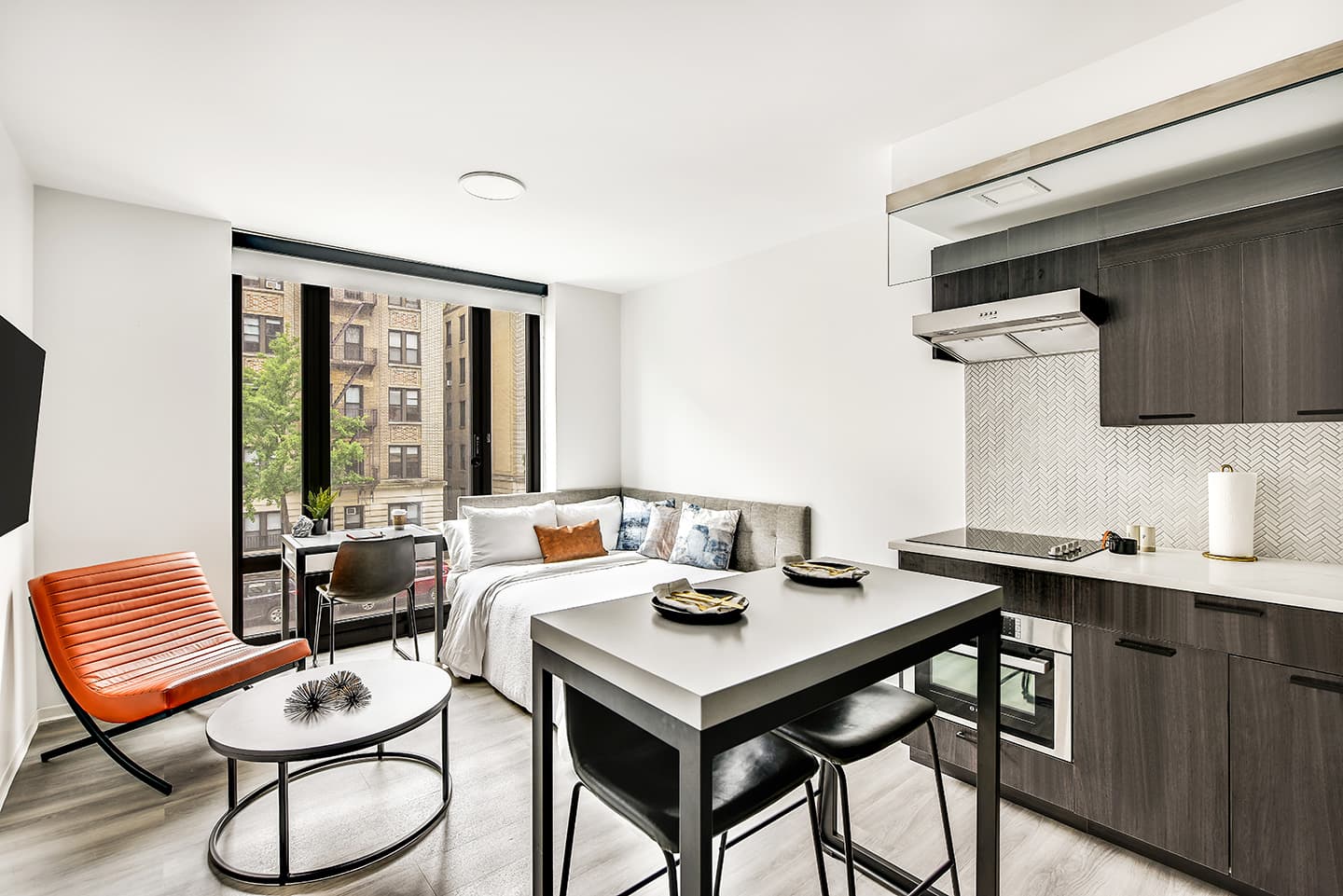
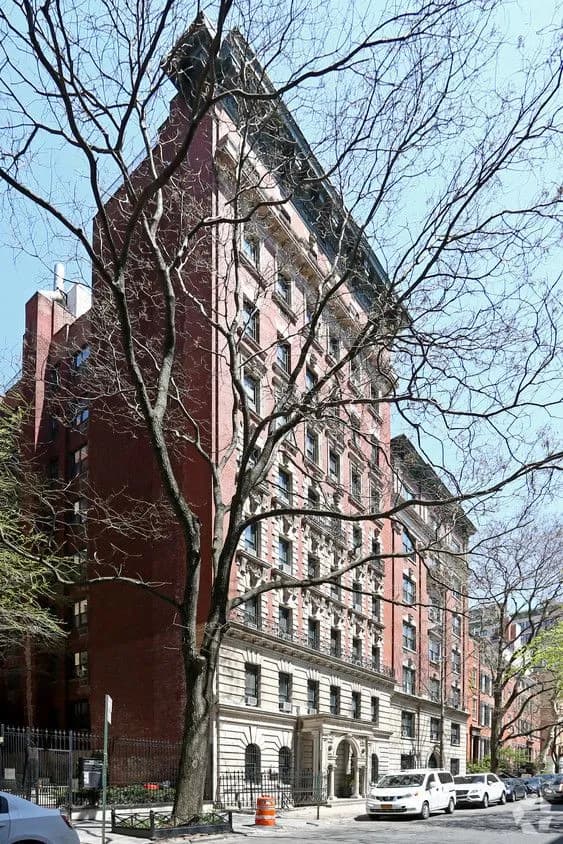
Fees may applyFOUND Study Columbia Heights Waterfront

About Off-Campus Housing Near Pace University
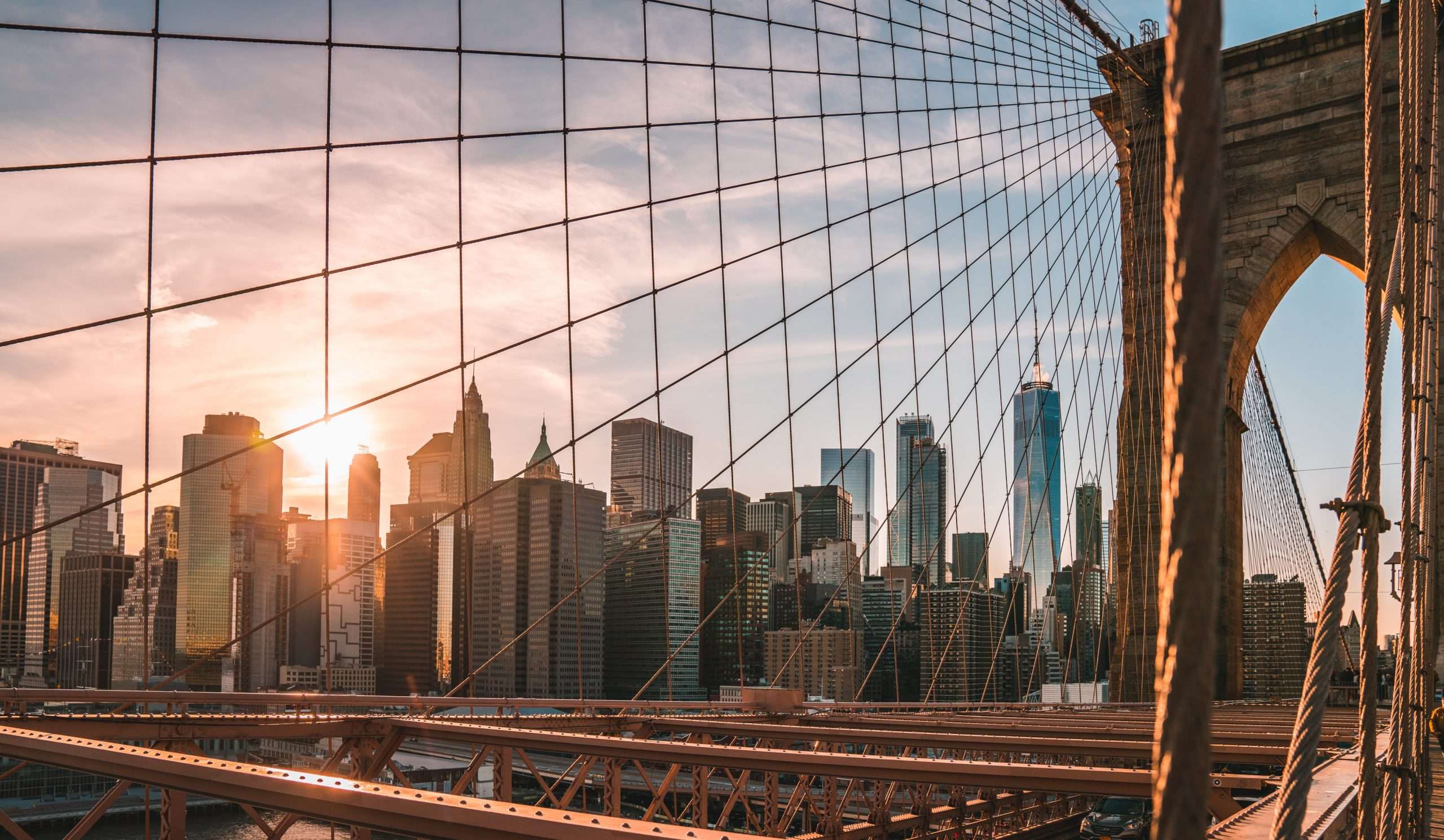
Pace University drops about 12,835 students into Lower Manhattan, with its New York City campus anchored at One Pace Plaza near the Financial District and the Brooklyn Bridge. There's no leafy quad here. The campus is the city, and students spill into the streets between City Hall, the South Street Seaport, and the waterfront parks along the East River. Residence halls cluster within a few blocks of class, and daily life runs on the subway, with nearly every line converging on the nearby Fulton Street and Chambers Street stations. The Setters cheer at games, but the real draw is the location: free museum days, public plazas, ferry terminals, and the parks at the island's southern tip are all part of the routine.
Pace University Housing Requirements
Freshman Live-On Requirement
Pace does not force freshmen off campus, and most first-year students live in one of the residence halls within a five-block radius of class, since finding your own apartment in Manhattan at eighteen is a tall order. On-campus housing is not always guaranteed for late applicants, and in rare cases Pace points new students to partner providers like third-party student housing services.
Off-Campus Eligibility
The real off-campus move usually comes junior or senior year. When you rent in New York City, brace for the toughest market in the country, with many apartments being walk-ups split among roommates.
Lease Timing
Landlords often want proof of income at 40 times the monthly rent or a guarantor, plus first month, security, and sometimes a broker fee, and leases almost always run 12 months. Watch for rent-stabilized versus market-rate units, confirm what utilities are included, and never wire money for a place you have not seen in person.
Housing policies change frequently. Always verify current requirements directly with Pace University before signing a lease.
When to Start Looking for Housing Near Pace University
Early Searchers
New York's rental market is famously fast and brutal, so the usual advice flips: don't start too early, because most listings only post 30 to 60 days before they are available. Searching months ahead mostly turns up units that will be gone by the time you can move. Use the early stretch to firm up your roommate group, budget, and paperwork instead.
Peak Demand Window
For a September move-in near campus, the sweet spot to search is June through early August, when downtown apartments hit the market and roommate groups firm up. The best-value units and the rare apartments close to One Pace Plaza get snapped up within days, so be ready to tour and commit fast with your paperwork in hand. Leases almost always run 12 months. Check the university off-campus resources and student groups during this window.
Last-Minute Options
Because Pace sends students abroad and into internships, fall and spring sublets are common, which is a good fallback for mid-year arrivals or anyone wanting a shorter commitment. These takeovers surface on short notice, so watch student groups closely. Avoid any listing that pressures you to pay before viewing, since scams target last-minute searchers.
Neighborhoods Near Pace University
Financial District
Right around campus, it keeps you closest to class with a mix of converted office buildings turned apartments.
Lower East Side
A short walk or subway hop away, it runs younger and livelier with more shared units.
Downtown Brooklyn and DUMBO
One stop over the bridge, these neighborhoods tend to give more space for the price.
Frequently Asked Questions: Off-Campus Housing Near Pace University
Common questions from students searching for housing.
A room in a shared apartment near the Lower Manhattan campus typically runs $1,400-$2,200/month per person, since this is New York City. Brooklyn, Long Island City, and Jersey City land lower, while the Financial District and Lower East Side sit higher. Sharing a multi-bedroom is the only realistic way most students afford it.
No formal requirement, but most freshmen live in a residence hall within five blocks of class because renting your own Manhattan apartment at eighteen is hard. On-campus housing isn't always guaranteed for late applicants, so apply early.
Upperclassmen spread across the Financial District near campus, the Lower East Side, Downtown Brooklyn, DUMBO, Long Island City, and Jersey City. It comes down to whether you want to walk to class or trade a short commute for more space.
Absolutely not. A car in Lower Manhattan is a liability, with parking costs that rival rent. The subway converges at Fulton Street and Chambers Street right by campus and reaches all five boroughs, and the PATH train handles Jersey City.
Counterintuitively, not too early. NYC listings post 30 to 60 days out, so search June through early August for a September move-in. The catch is the best units near One Pace Plaza go within days, so have your paperwork ready and be prepared to commit fast.
Leases almost always run 12 months. Expect landlords to want income at 40 times the monthly rent or a guarantor, plus first month, security, and sometimes a broker fee. Confirm whether a unit is rent-stabilized or market-rate, and never pay for a place you haven't seen.
The Financial District is quiet at night and heavily trafficked by day, which many students find comfortable. Downtown Brooklyn and Long Island City are popular, established picks too. As anywhere in the city, walk the block at night and check the specific building.
Plan on roughly $80-$180/month per person for electricity, gas, and internet, depending on the unit and roommate count. Some older Manhattan buildings include heat and hot water in the rent, so confirm what's bundled before you sign.
Yes, and it's common. Pace sends students into internships and study-abroad terms, so fall and spring sublets come up often. Use the university off-campus resources and student groups to find roommates and short-term spots, and always view before paying.
You're in the heart of Lower Manhattan, steps from City Hall, the Seaport, and the East River parks, with the whole subway system at your door. It's busy and energetic by day and surprisingly calm at night, with downtown New York doubling as your campus.
More Housing Near Pace University
Search by Room Type
Search by Lifestyle
Other Universities in New York
Other universities in New York share a similar off-campus housing market.
American Musical and Dramatic Academy
The American Musical and Dramatic Academy occupies a Manhattan home at 211 West 61st Street, a performing-arts conservatory steps from Lincoln Center and the southwest corner of Central Park. Studying here means training in the cultural heart of New York, with Broadway theaters, audition rooms, and rehearsal studios…
View housing near American Musical and Dramatic AcademyColumbia University
Columbia University anchors the Morningside Heights neighborhood on Manhattan's Upper West Side, with a formal Beaux-Arts campus centered on Low Library and the Butler Library lawn between 114th and 120th Streets. As a major Ivy League research university, Columbia draws students worldwide into programs spanning the…
View housing near Columbia UniversityCUNY Bernard M. Baruch College
Baruch College is a senior college of the City University of New York, located on East 25th Street in the Gramercy area of Manhattan. Roughly 19,700 undergraduate and graduate students attend, with the Zicklin School of Business among the largest business schools in the United States. Baruch is a vertical campus in the…
View housing near CUNY Bernard M. Baruch CollegeCUNY City College
The City College of New York is the founding institution of the City University of New York, sitting on a hilltop campus in Hamilton Heights in upper Manhattan. About 15,200 students attend across undergraduate and graduate programs, with strengths in engineering through the Grove School, architecture, and the…
View housing near CUNY City CollegeCUNY Graduate School and University Center
The CUNY Graduate Center is the principal doctoral-granting institution of the City University of New York, located at 365 Fifth Avenue in Midtown Manhattan, directly across from the New York Public Library. Roughly 9,300 students are enrolled, almost entirely in doctoral and master's programs across the humanities,…
View housing near CUNY Graduate School and University CenterCUNY John Jay College of Criminal Justice
John Jay College of Criminal Justice is a senior college of the City University of New York on West 59th Street in Hell's Kitchen, Manhattan. About 15,800 students attend, and the college is the nation's leading institution focused on criminal justice, forensic science, public administration and related fields. The…
View housing near CUNY John Jay College of Criminal JusticeFashion Institute of Technology
The Fashion Institute of Technology sits in the heart of Chelsea on the west side of Manhattan, just blocks from the historic Garment District that once made New York the center of American fashion production. As a SUNY college, FIT offers an unusually affordable path to a design education in one of the world's most…
View housing near Fashion Institute of TechnologyNew York University
New York University doesn't sit on a campus so much as it lives inside Greenwich Village, with Washington Square Park as its unofficial quad. The arch, the fountain, the chess hustlers, and a few thousand students cutting through between classes: that's the closest thing NYU has to a college green. From there the whole…
View housing near NYUTeachers College at Columbia University
Teachers College is the graduate school of education, health and psychology at Columbia University, located on West 120th Street in Morningside Heights, Manhattan. About 4,500 students are enrolled, entirely in master's and doctoral programs, and the college has been a leading institution in education research since…
View housing near Teachers College at Columbia UniversityThe New School
The New School is a private university in Greenwich Village, Manhattan, comprising Parsons School of Design, Eugene Lang College of Liberal Arts, the College of Performing Arts and several graduate divisions. About 9,000 students attend. The university has no traditional quad; its buildings are woven into the Village…
View housing near The New Schoolfind my place guides for Pace
Curated recommendations from students who’ve been there.
See how students rate the places near Pace on social life, management, and quality before you tour.
Read student housing reviews near Pace →