Student Housing in Washington, DC
Student Housing in Washington, DC

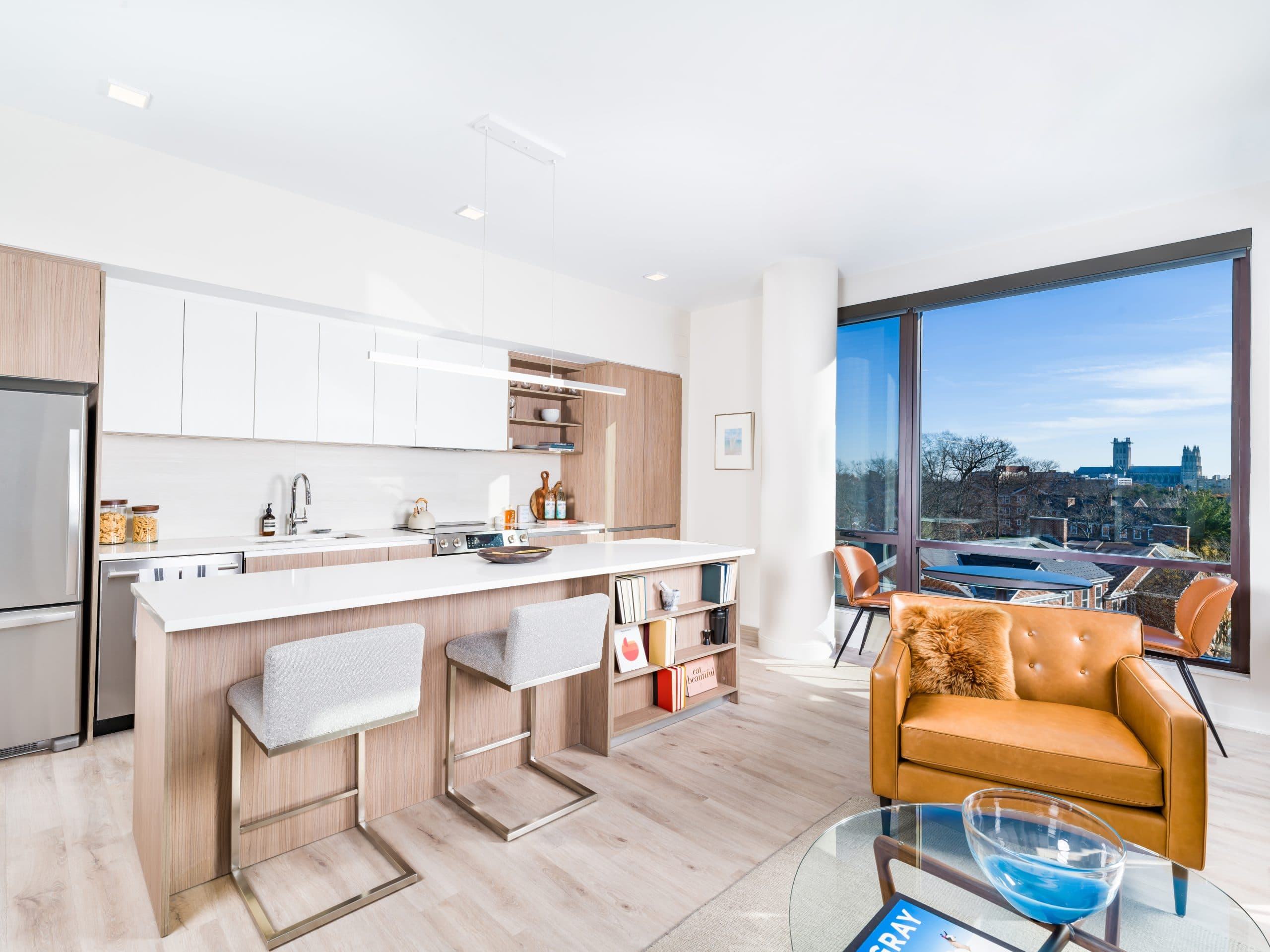


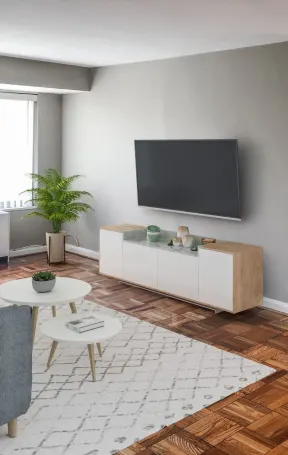
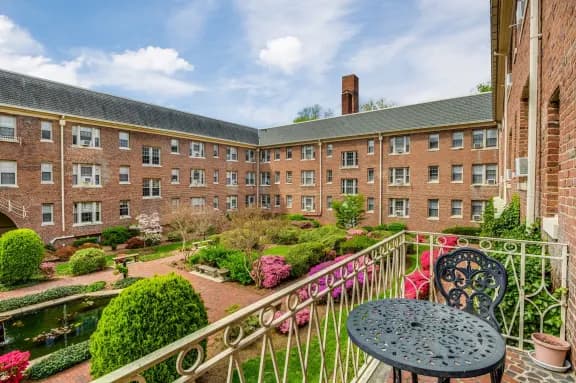
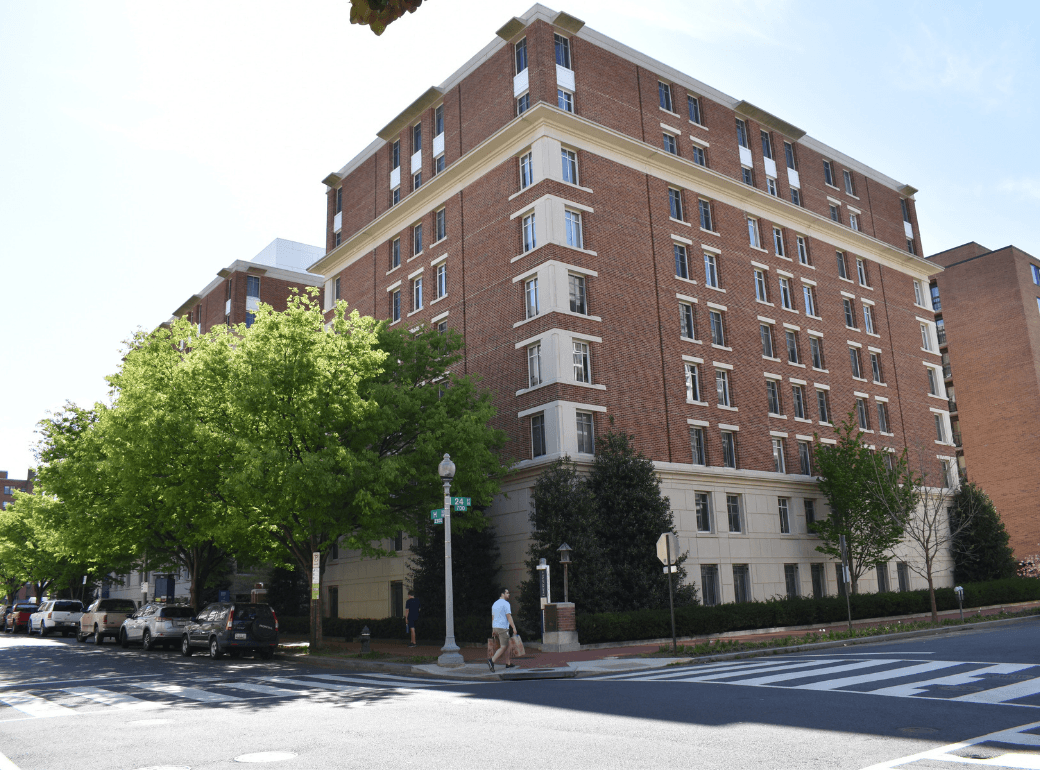

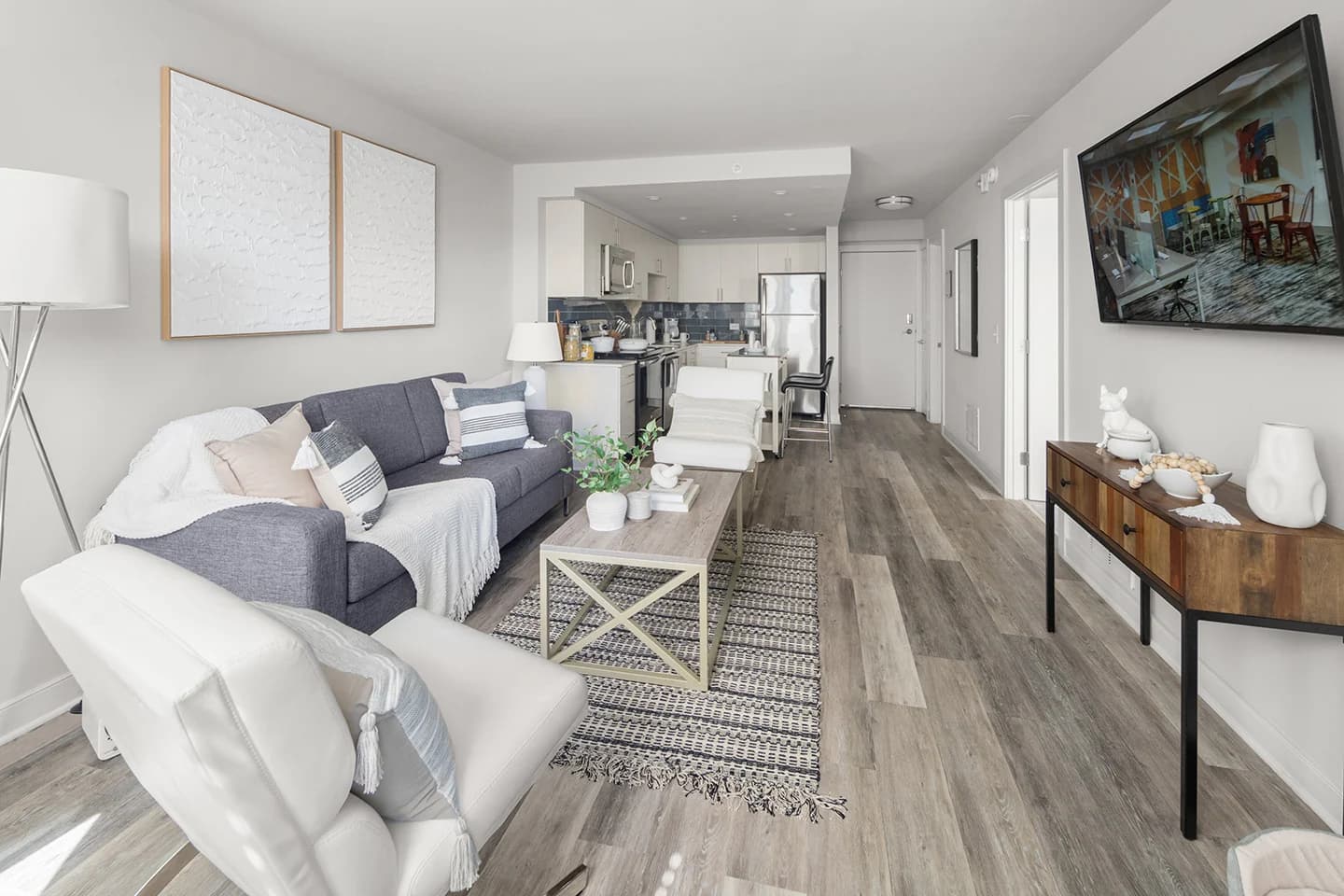
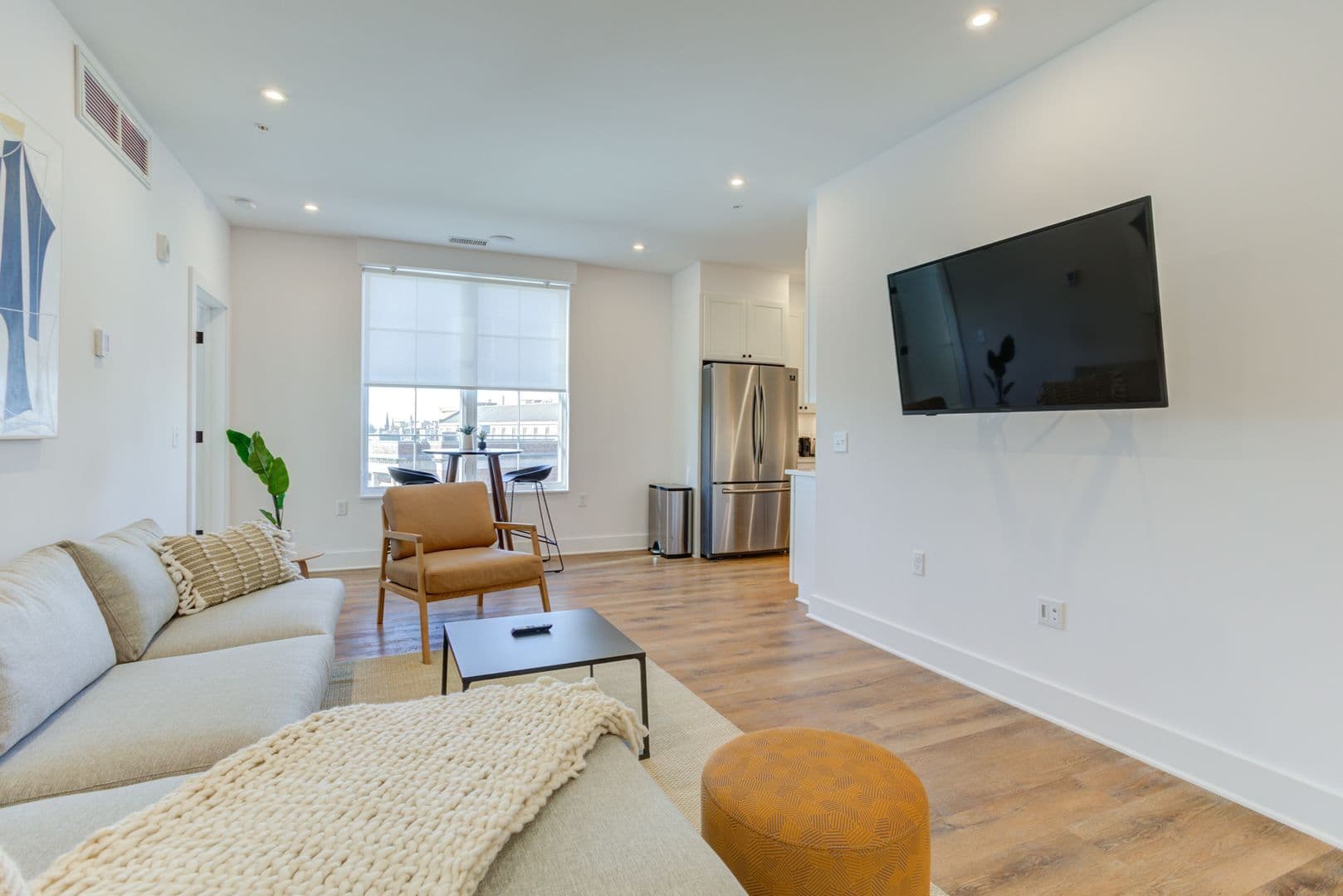
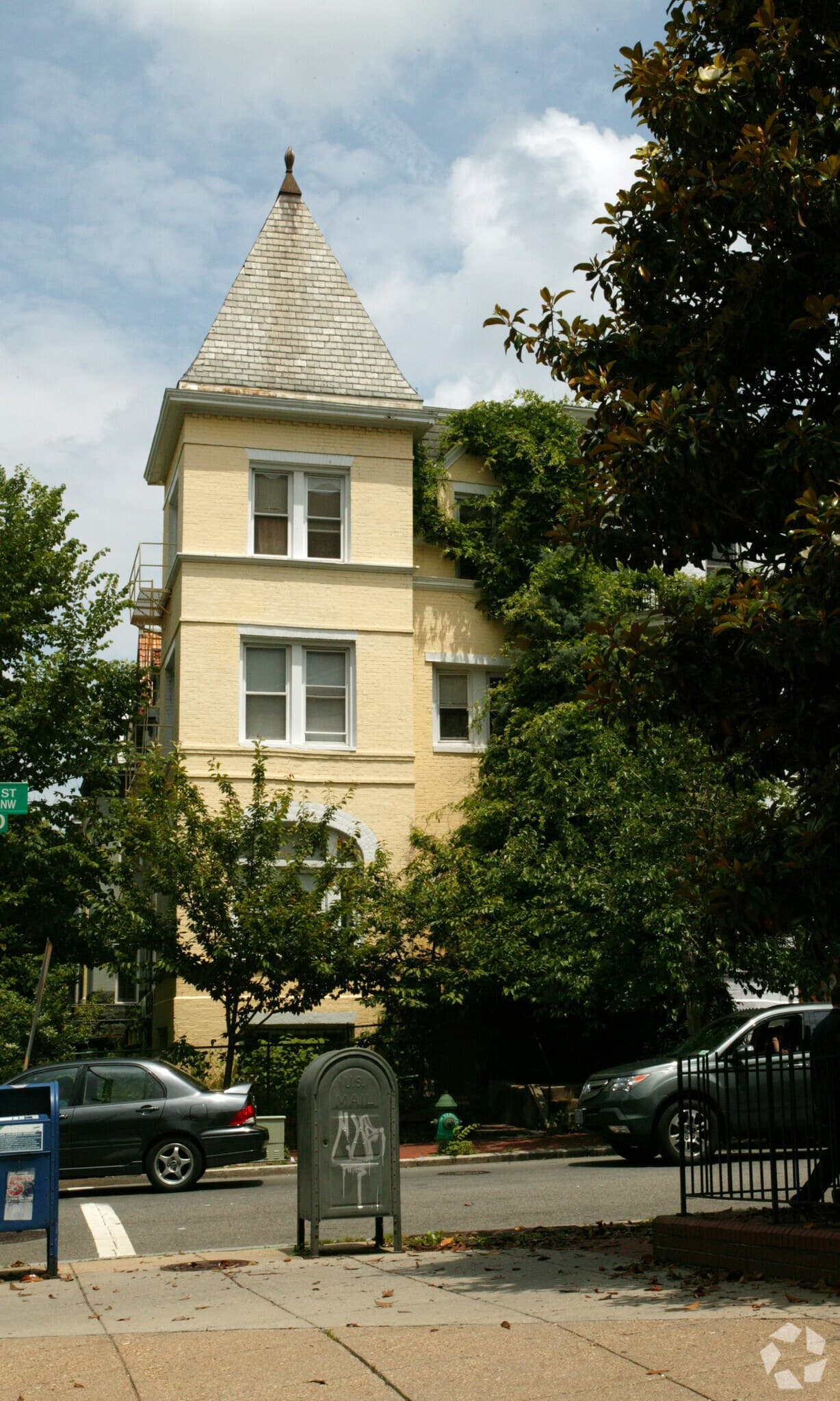
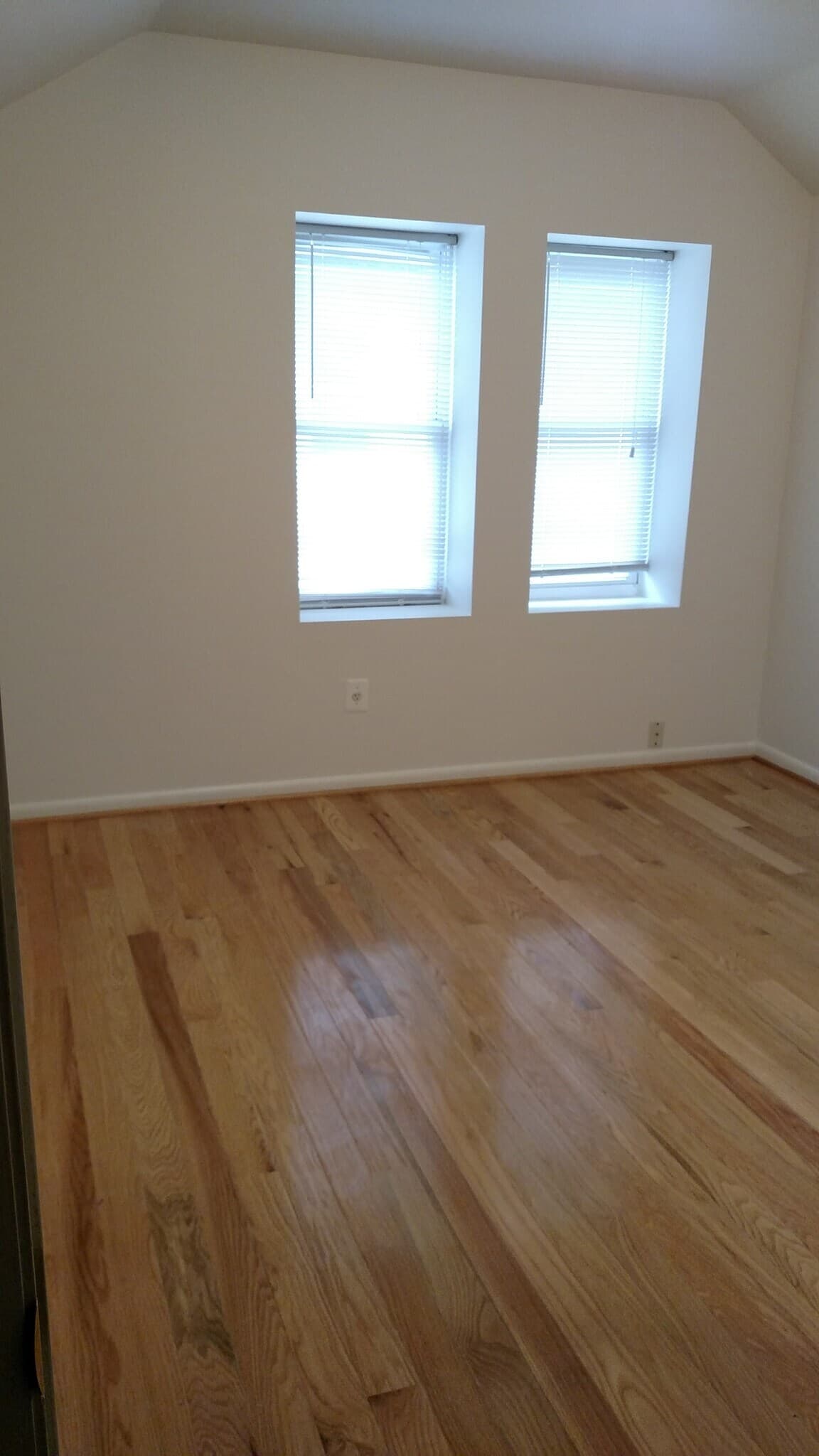
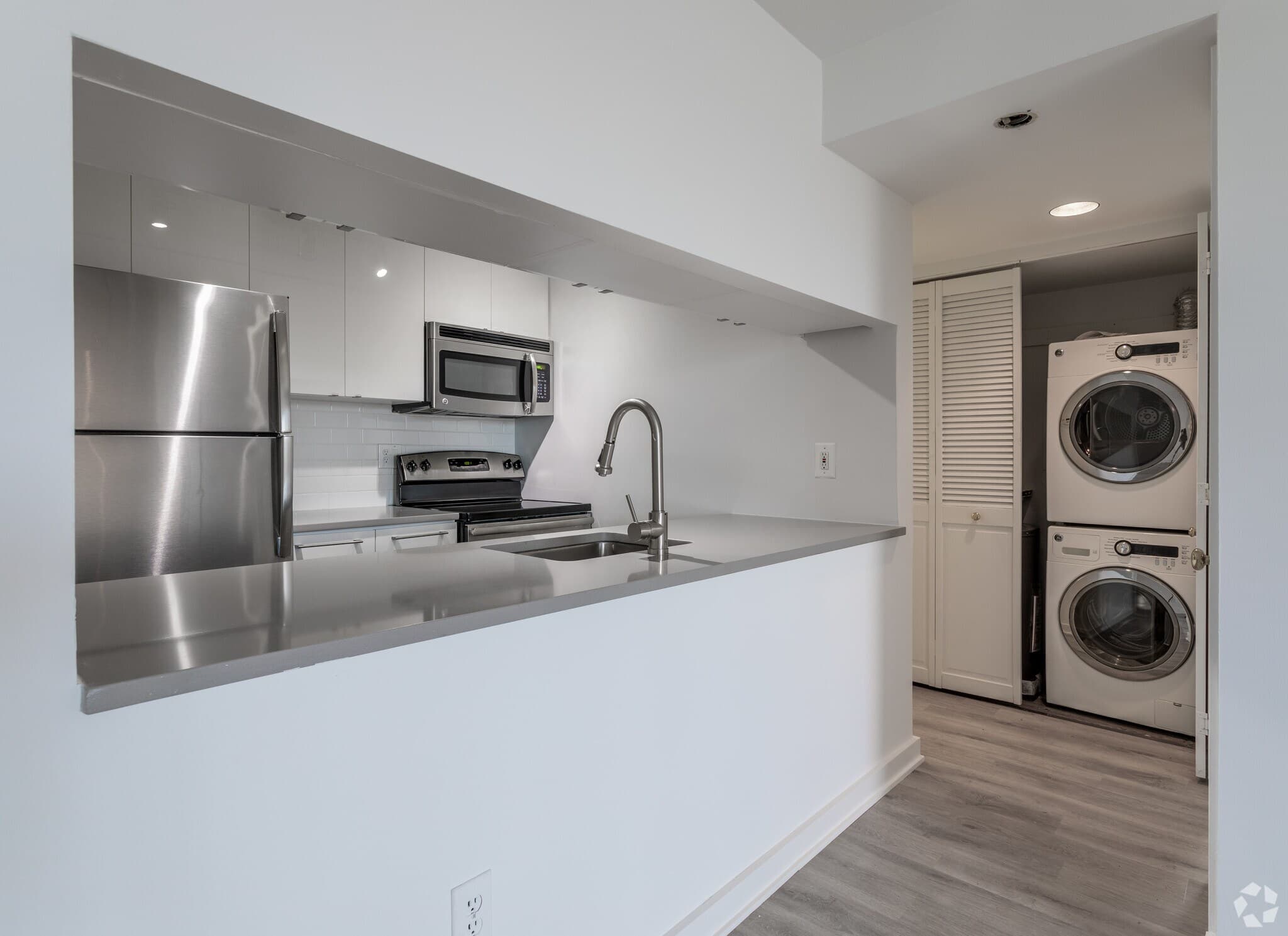
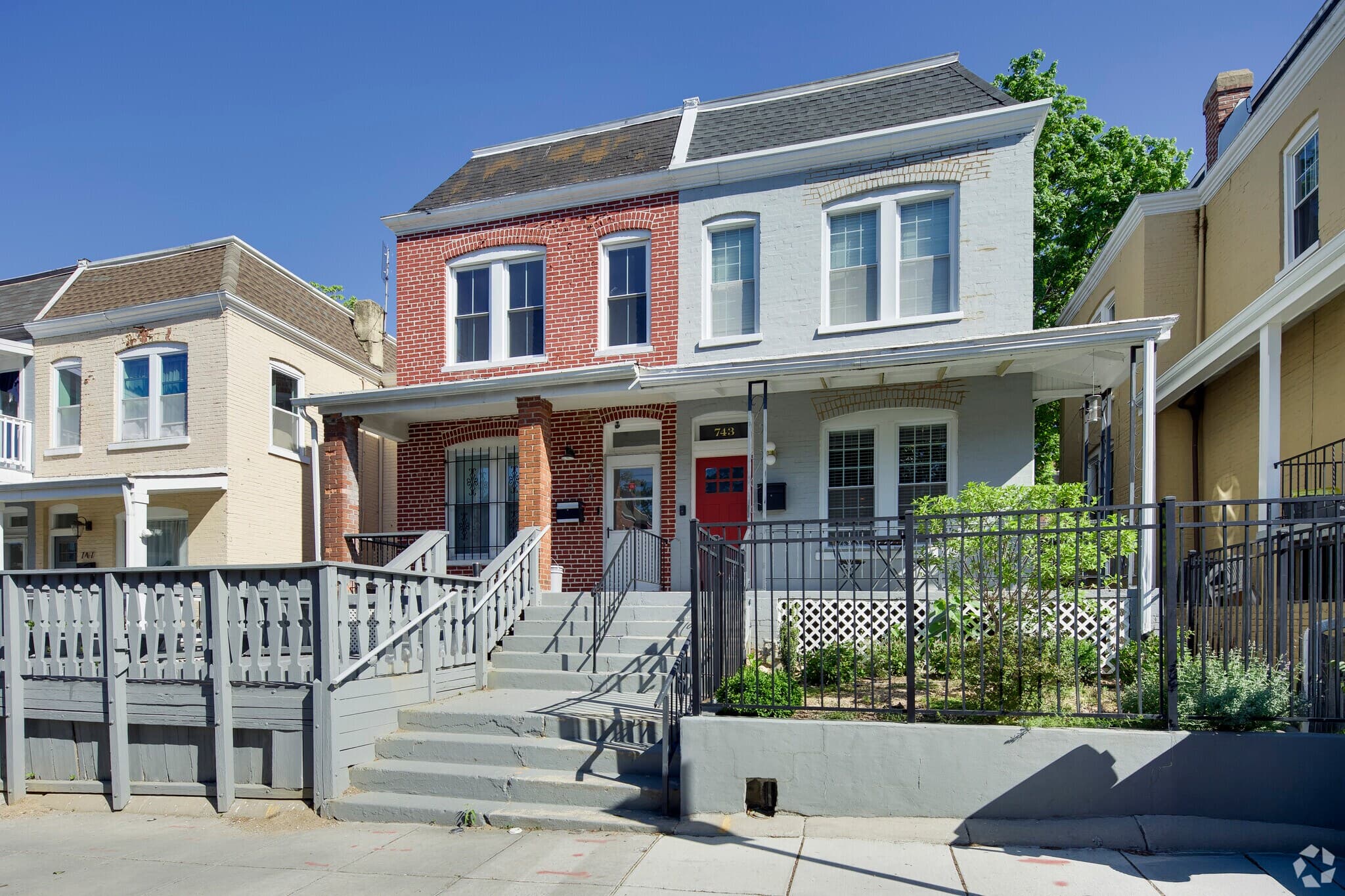
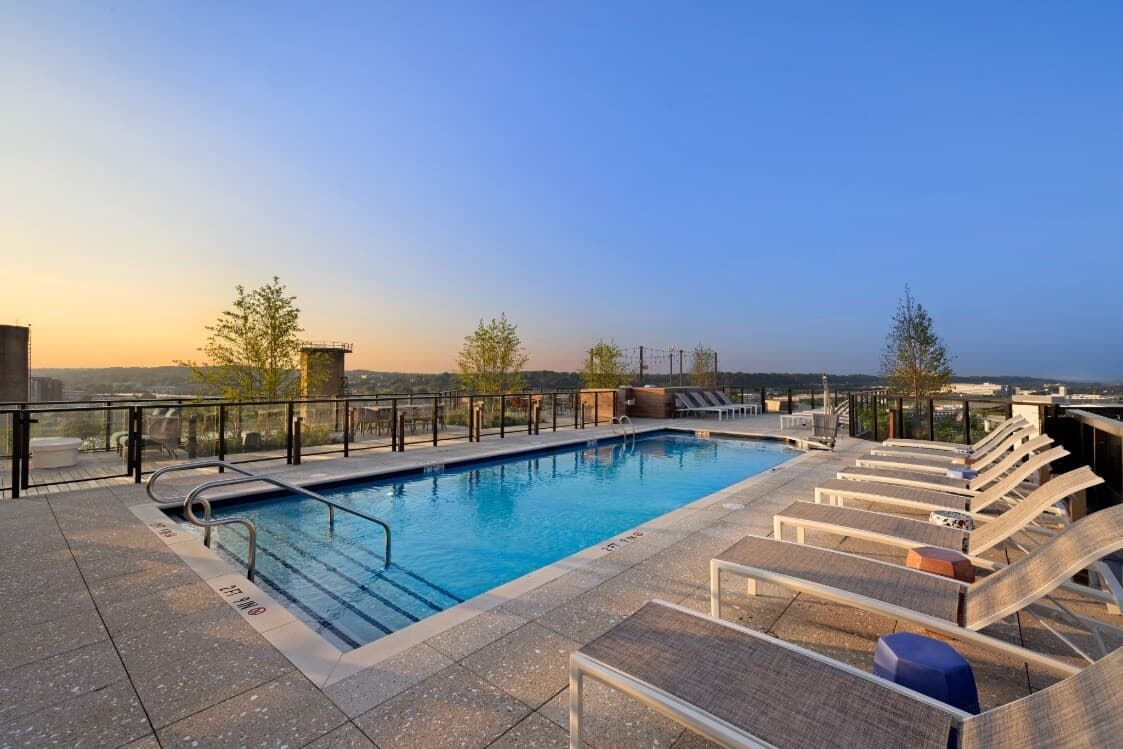
About Student Housing in Washington
Washington, DC is the nation's capital and a genuine big city, and one of the densest student towns in the country, anchored by George Washington University, Georgetown University, and American University. Students don't cluster in one campus strip here; they spread across neighborhoods and let the Metro stitch everything together. Foggy Bottom wraps around GW near the monuments, Georgetown holds its historic streets and Potomac waterfront, and the leafy upper northwest around Tenleytown sits beside American. Beyond those anchors, students fill Columbia Heights, Petworth, Mount Vernon Triangle, NoMa, and Brookland. The National Mall, the free Smithsonian museums, and Rock Creek Park are part of daily life.
Best Neighborhoods for Students in Washington
Foggy Bottom
Right at GW and steps from the monuments, walkable and on the Metro, best if you want zero commute to that campus.
Columbia Heights and Petworth
Lively, diverse, more space for your money, and well connected by Metro, popular with students wanting neighborhood life.
Tenleytown and upper northwest
Quieter, greener, and next to American, good for an easy campus walk and Red Line access.
Getting Around Washington as a Student
Here's what you need to know about getting around Washington.
Public Transit
Washington runs on the Metro, full stop. The rail system links every major campus and most student neighborhoods, so plenty of students live without a car and just tap in. Metrobus fills the gaps the trains miss, and the universities run their own shuttles connecting campus to the nearest Metro stations. For trips out of town, Union Station handles regional and intercity rail.
Walking and Biking
The city is genuinely walkable in its core neighborhoods, and Capital Bikeshare stations are everywhere for short hops. Students can cover daily errands on foot or by bike in most central districts. The dense, connected neighborhoods make walking and cycling easy everyday options. Combined with the Metro, two wheels and walking handle most short trips.
Parking
A car is more hassle than help in most of the city, since parking is tight and traffic is rough; many students skip it entirely. Where you live shapes your commute most, so think about which line serves your campus before you sign. Students who keep a car should expect parking to be a recurring challenge. For most of DC, transit and walking beat driving.
Frequently Asked Questions: Student Housing in Washington
Common questions from students searching for housing.
DC is a big-city market, so it runs high. A room in a shared apartment or group house often falls somewhere around $1,100-$1,800 per person each month depending on the neighborhood, and prime areas like Foggy Bottom and Georgetown sit at the top of that. Sharing a larger place farther from the core is the usual way to bring the per-person number down.
Foggy Bottom suits GW students, Tenleytown and upper northwest fit American, and Georgetown anchors its own campus. Beyond those, Columbia Heights, Petworth, Mount Vernon Triangle, NoMa, and Brookland are all popular with students who want neighborhood life and good Metro access.
No, and most students skip one. The Metro reaches every major campus, Metrobus and Capital Bikeshare cover the rest, and parking is tight and pricey. A car is usually more burden than benefit in the city, though it can help for trips outside the region.
It varies by neighborhood. Foggy Bottom puts you right at GW, Tenleytown sits beside American, and Georgetown housing surrounds that campus. From farther-out neighborhoods you'll lean on the Metro or university shuttles, so pick a place where your campus is an easy ride or walk.
Foggy Bottom, Georgetown, and Tenleytown are consistently cited as comfortable, well-trafficked student areas, and much of upper northwest feels quiet and residential. As in any big city, conditions vary block by block, so check the specific street at night and talk to current tenants before signing.
Start early in a market this size and competitive. Many students lock in places several months ahead, often in late winter or early spring for the next academic year. The closer-in and most popular neighborhoods go fastest, so the earlier you search the better your options.
Most apartments run standard 12-month leases, and many group houses do too. Some buildings near campuses offer terms closer to the academic year, and individual rooms in shared houses are common. Always confirm the length and whether you're signing for a room or the whole unit.
It depends on the building. Some larger apartment buildings bundle water or heat, while group houses usually split electric, gas, internet, and sometimes water among tenants. Budget roughly $100-$200 per person each month for utilities in a shared place, and ask exactly what's included so you can compare the true monthly total across listings.
Easily. With so many students across three big universities, roommate and sublet listings are everywhere, especially through university housing groups and class pages. Summer sublets are very common since many students leave the city for internships or breaks while leases run year-round.
You're in a real capital city, not a campus bubble. Off campus means living in an actual neighborhood and commuting by Metro, with the National Mall, free Smithsonian museums, Rock Creek Park, and a constant civic calendar at your doorstep. The trade-off is big-city prices and a commute, but the payoff is a city most college towns can't touch.
Universities in Washington
Washington is home to 6 universities, each with its own student housing market.
American University
American University sits on a green hilltop in northwest Washington, DC, home to about 14,001 students who call themselves Eagles. The campus rests where Spring Valley meets Cathedral Heights, along the embassy-lined stretch of Massachusetts Avenue, less than a 15-minute walk from Rock Creek Park, one of the largest…
View housing near American UniversityGeorge Washington University
The George Washington University drops about 27,017 students into the middle of Washington, DC, with its main campus in Foggy Bottom just blocks from the White House and the National Mall. There's no traditional quad here: the campus is the city, so your walk to class passes monuments, federal buildings, and the…
View housing near GWGeorgetown University
Georgetown University perches about 19,371 Hoyas on a bluff above the Potomac River in Washington, DC, with Healy Hall's 200-foot spire as its postcard. The surrounding Georgetown neighborhood is all cobblestone, Federal rowhouses, and the historic C&O Canal running parallel to the commercial strip. Students drift down…
View housing near GeorgetownHoward University
Howard University is a private research university in Washington, DC, and one of the most prominent historically Black universities in the United States, with about 10,900 students. The main campus sits on a hilltop in the Shaw and LeDroit Park area of Northwest DC, a short walk from the Shaw-Howard University Metro…
View housing near Howard UniversityThe Catholic University of America
The Catholic University of America is the national university of the Catholic Church in the United States, located in the Brookland neighborhood of Northeast Washington, DC, with about 5,400 students. It is the only US university founded by the Catholic bishops, and it offers undergraduate, graduate and professional…
View housing near The Catholic University of AmericaUniversity of the District of Columbia
The University of the District of Columbia is the District's only public university and its sole urban land-grant institution, serving about 3,700 students from its main campus on Connecticut Avenue in the Van Ness neighborhood of Northwest Washington. UDC is a historically Black university offering associate through…
View housing near University of the District of ColumbiaFind Housing by University in Washington
Browse student housing near each Washington-area university.
Search Washington Student Housing by…
Room Type
Lifestyle
See how students rate apartments in Washington, DC on social life, management, and quality before you tour.
Read student apartment reviews in Washington, DC →