Off-Campus Housing Near Minneapolis Community and Technical College
Off-Campus Housing Near Minneapolis Community and Technical College
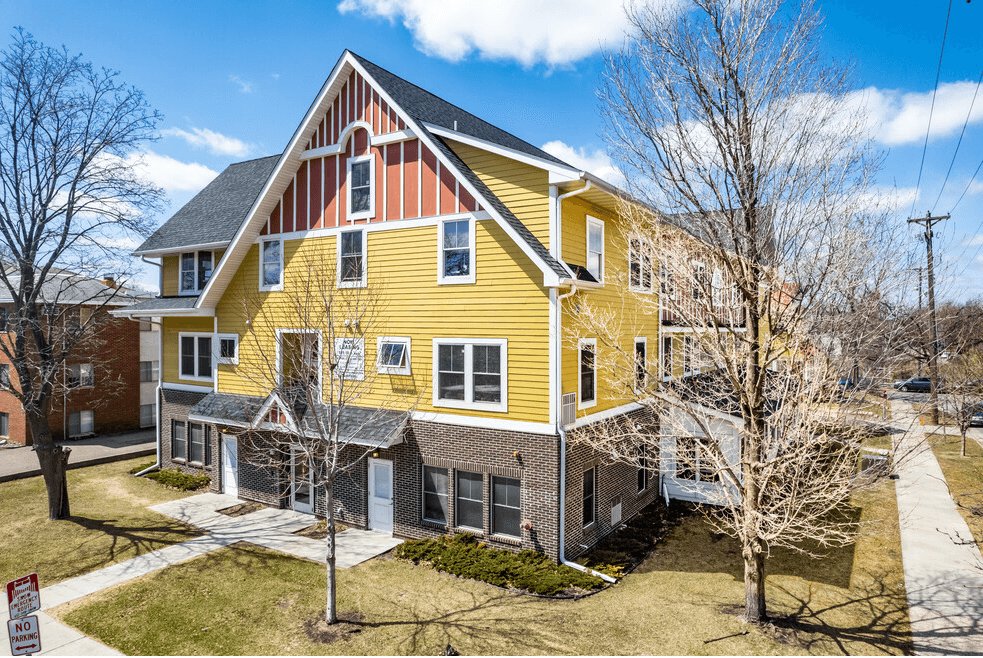
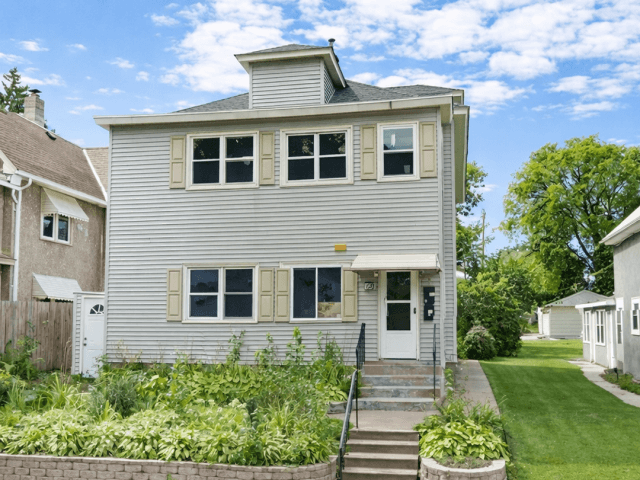
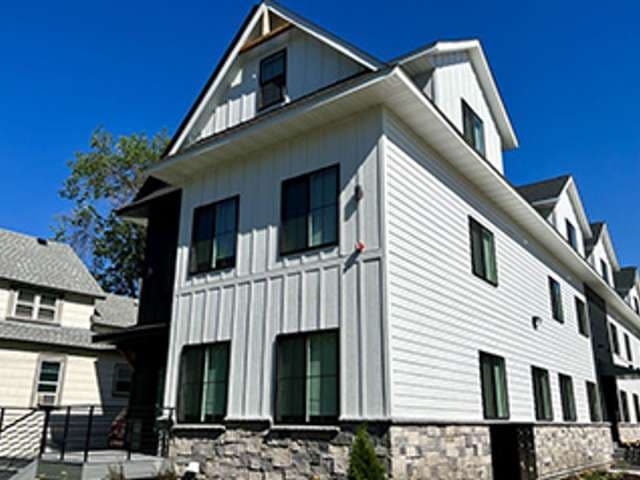
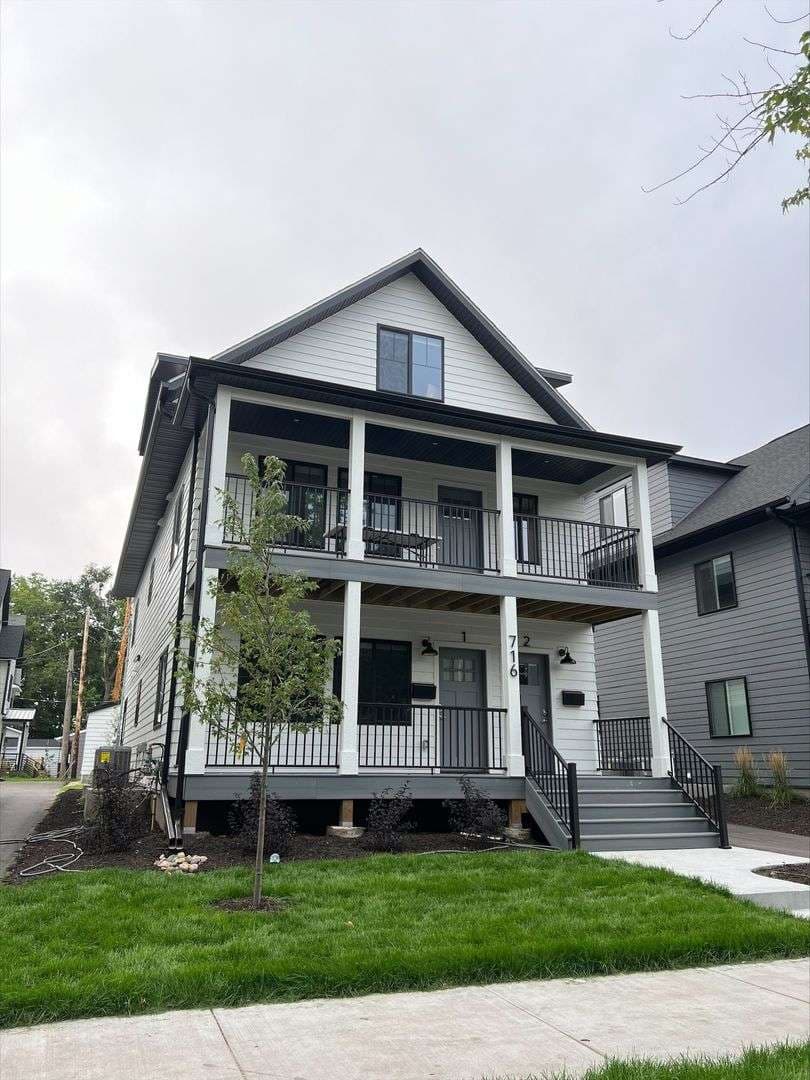
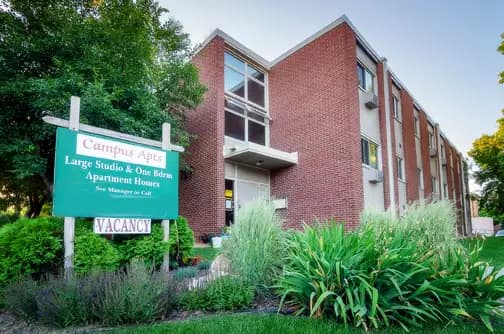
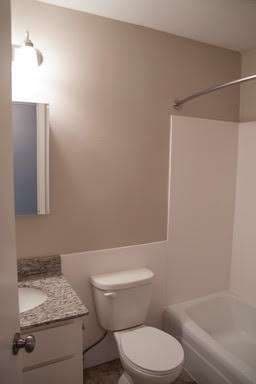
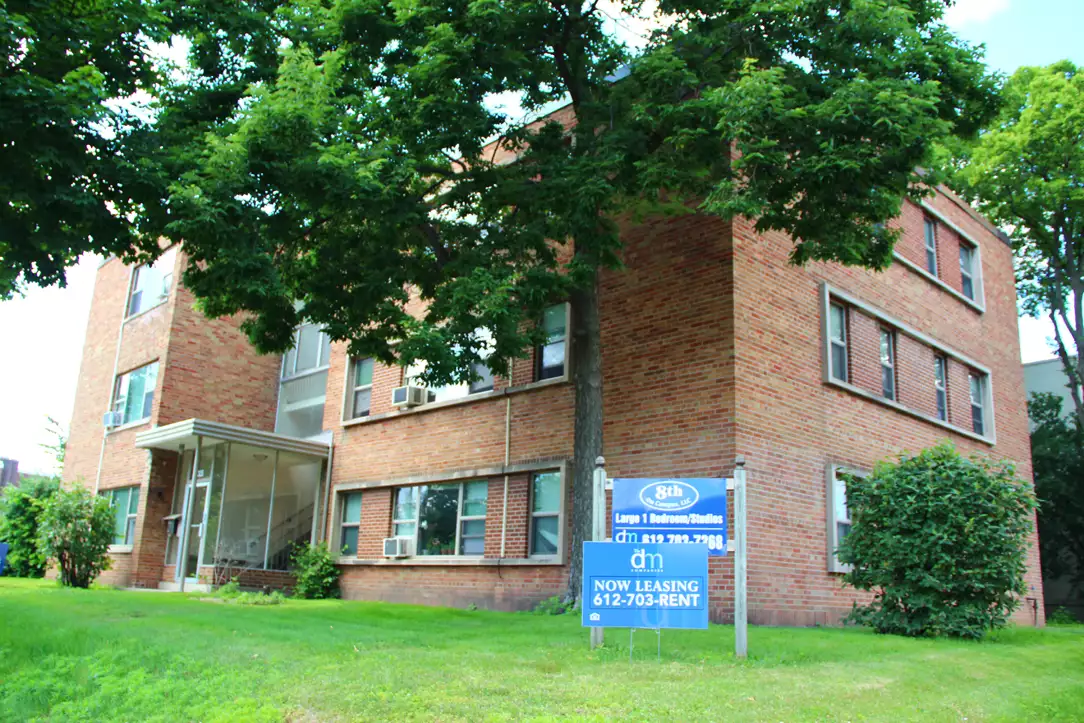
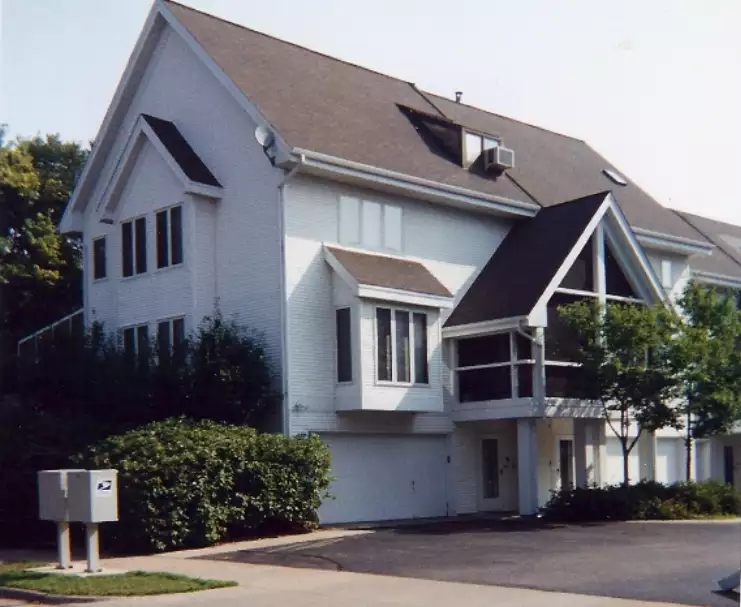
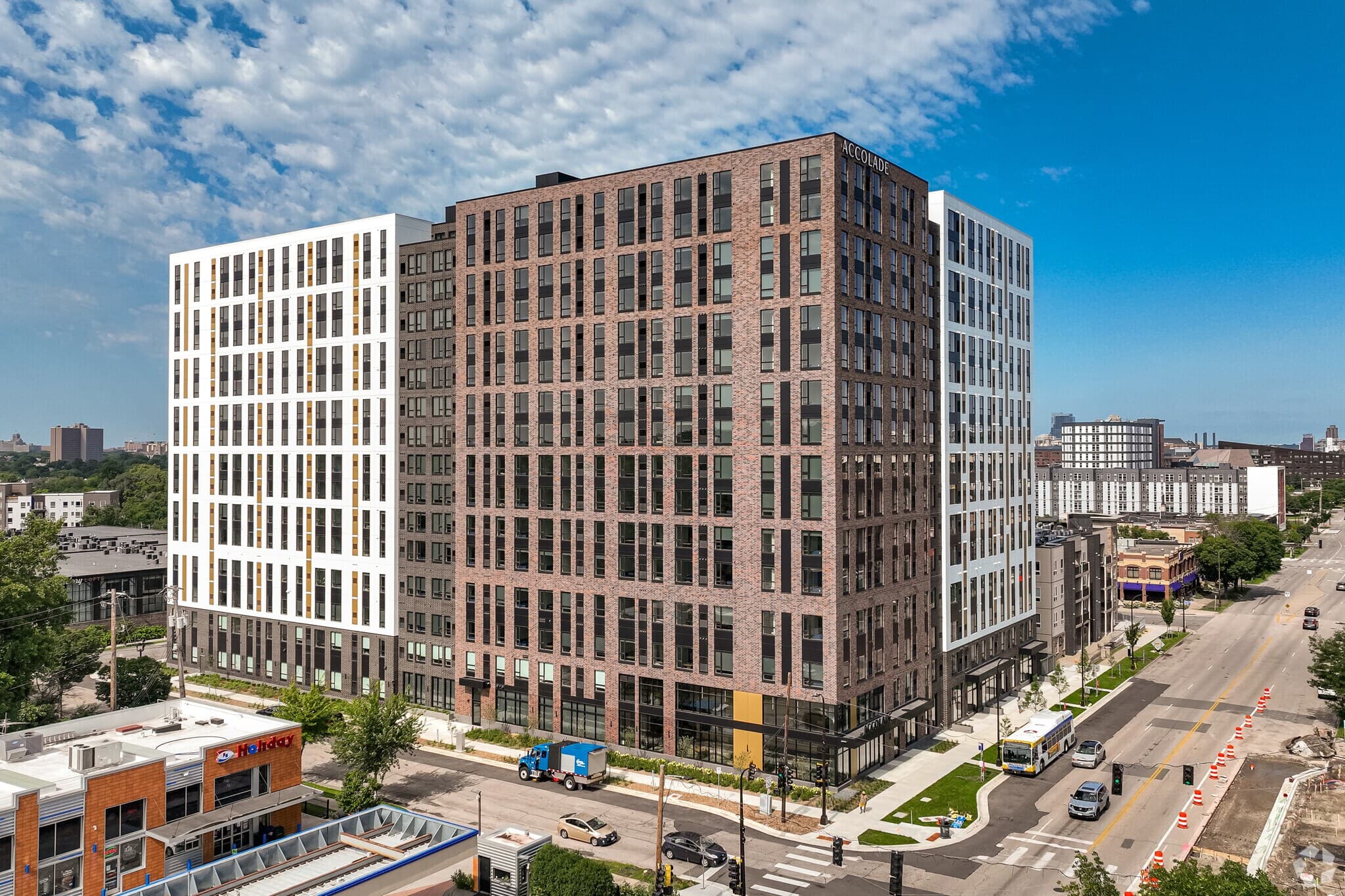
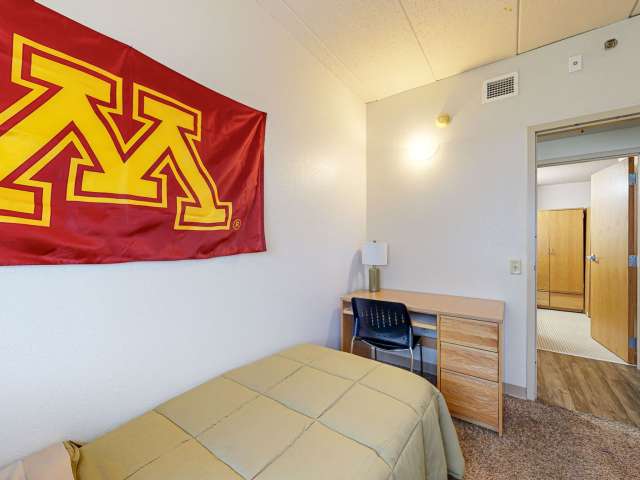
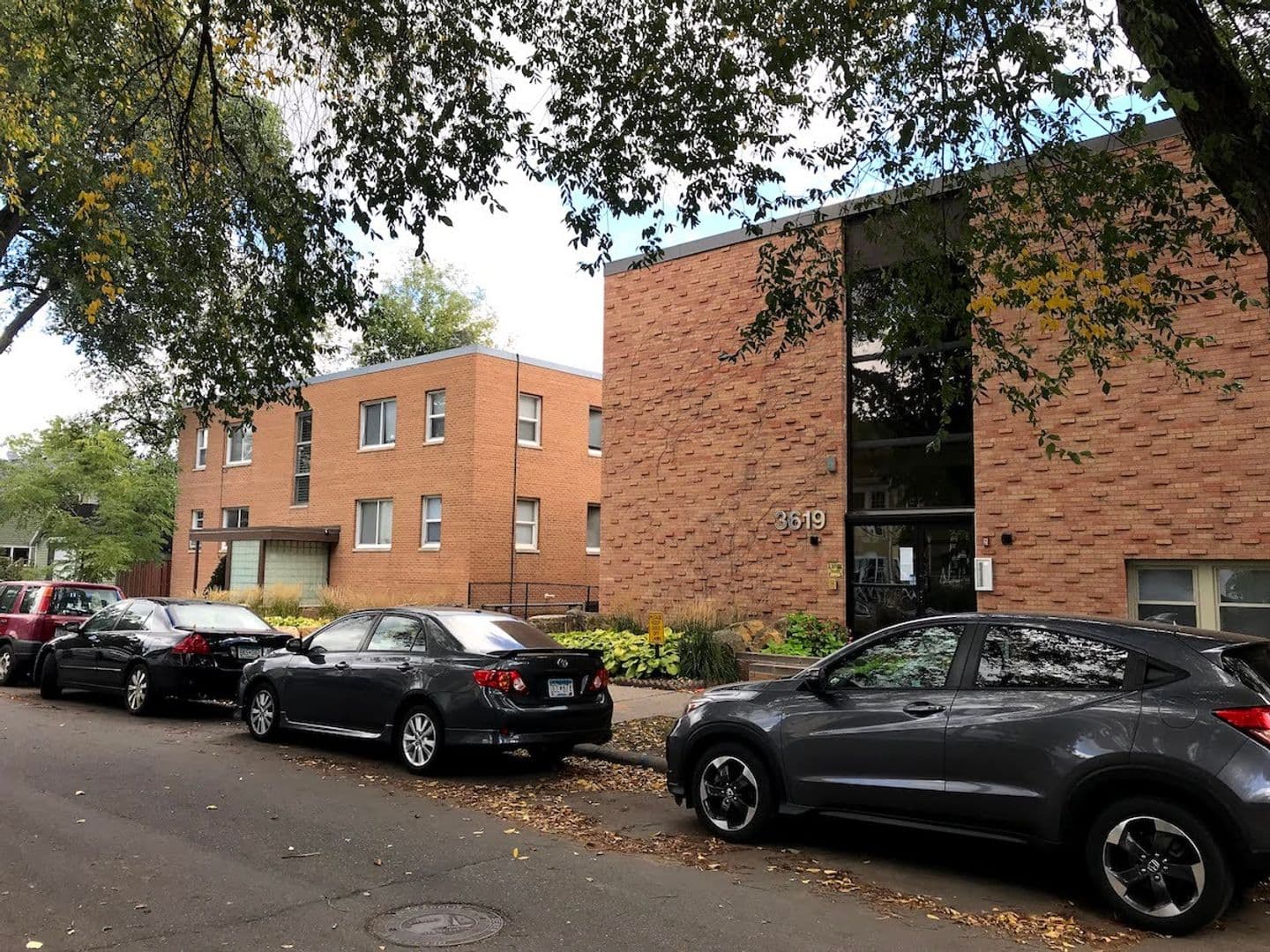
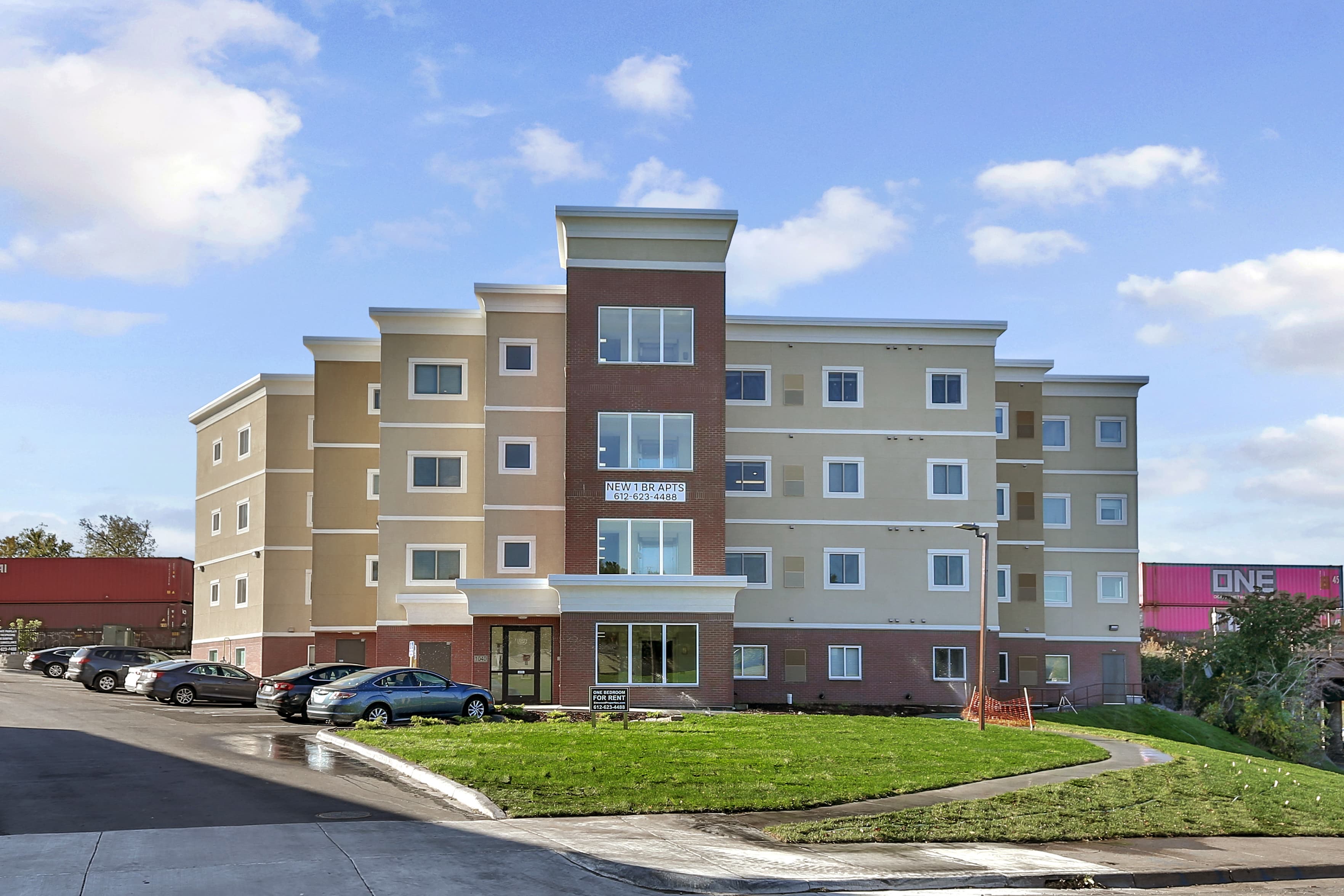
$1,225+/unit
Fees may applyElmwood Properties - 1040 Como Ave. SE
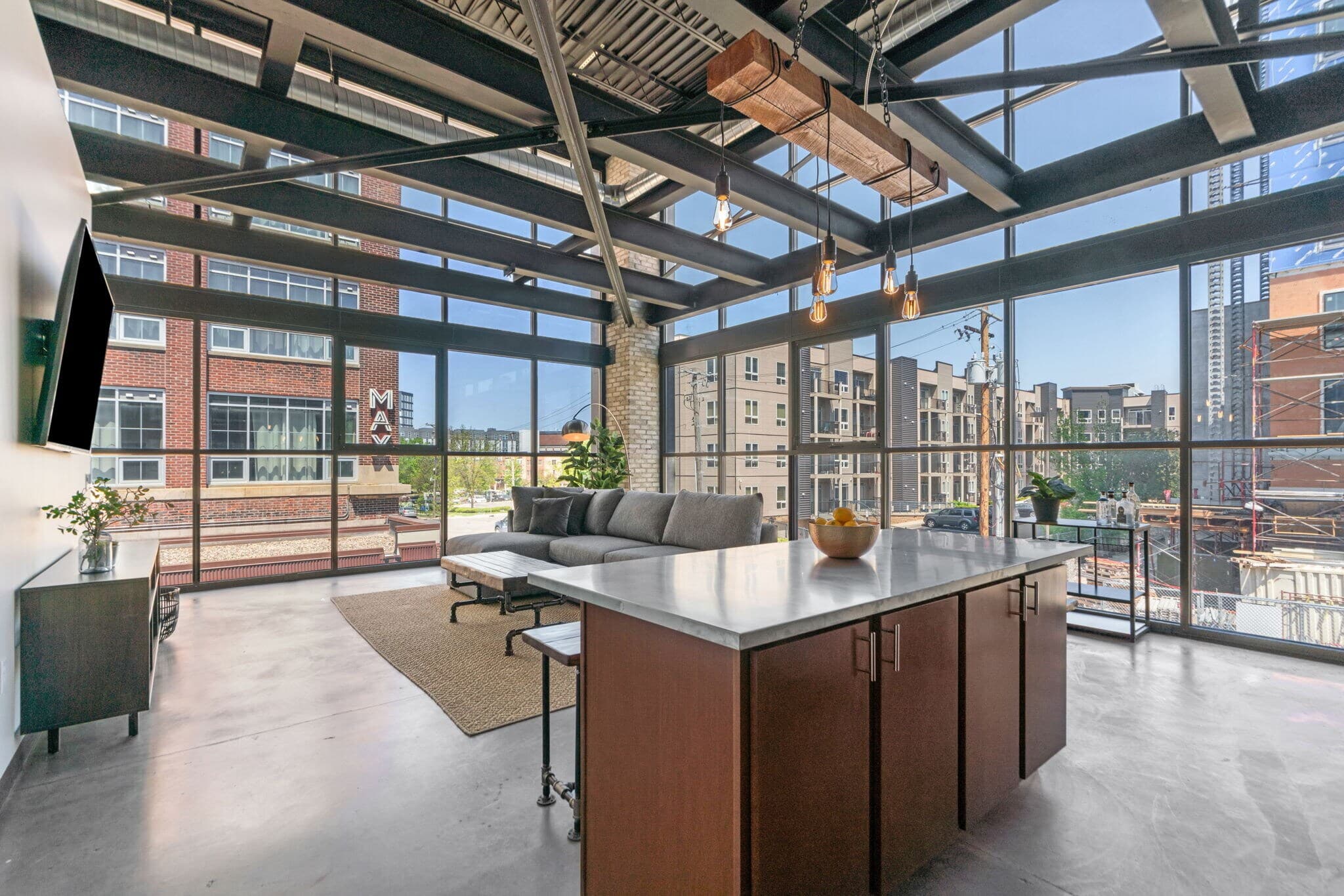
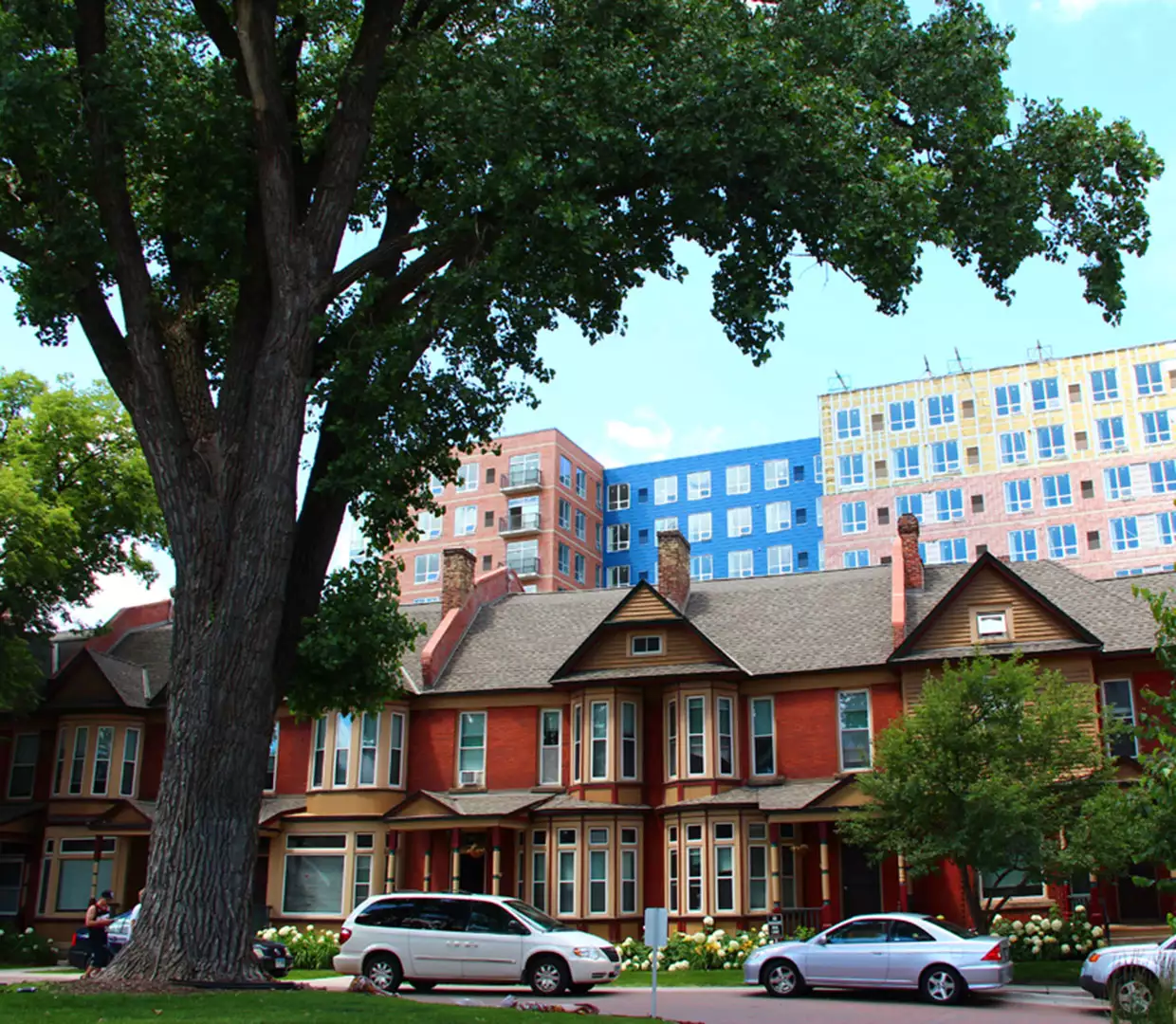
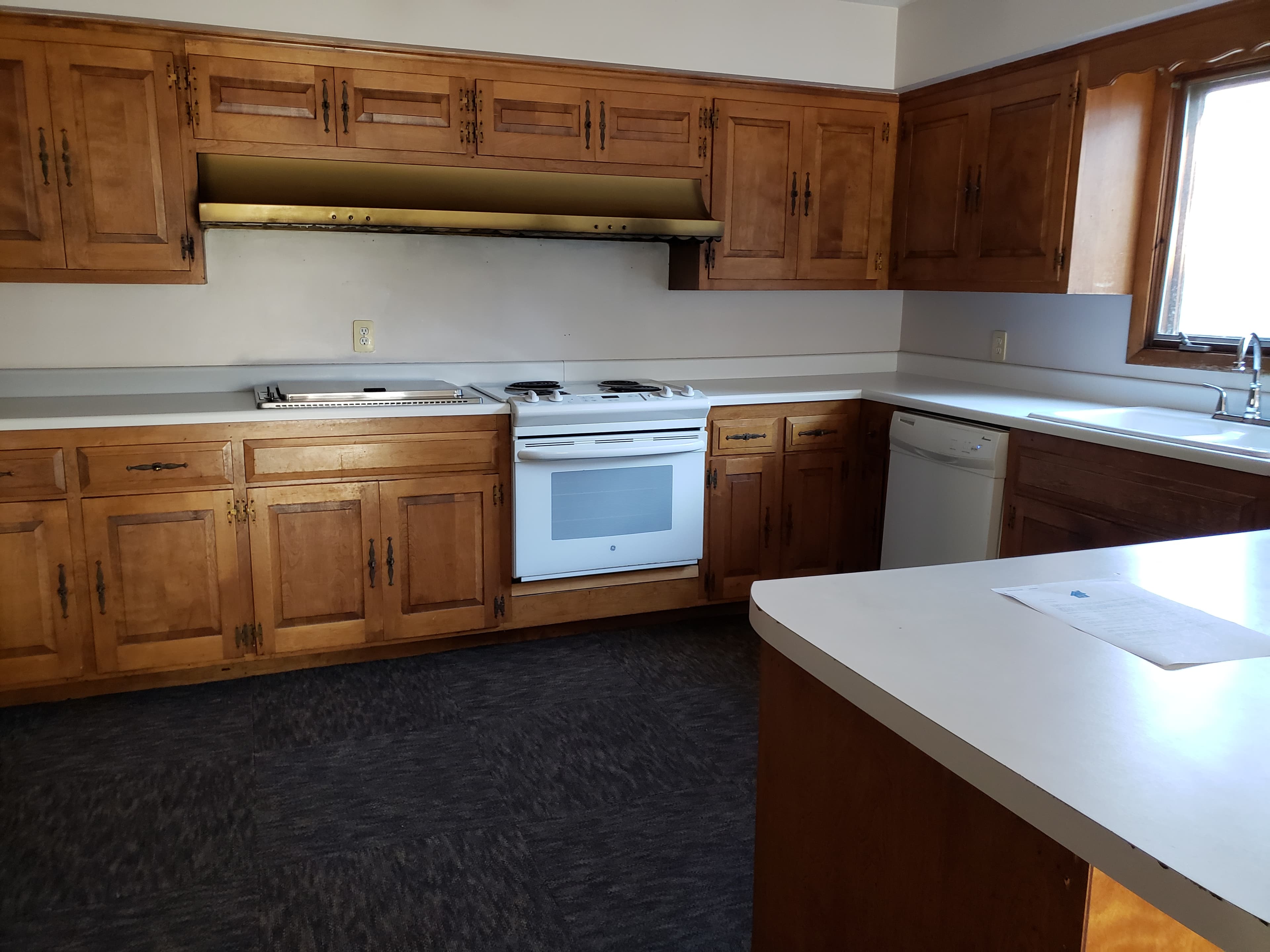
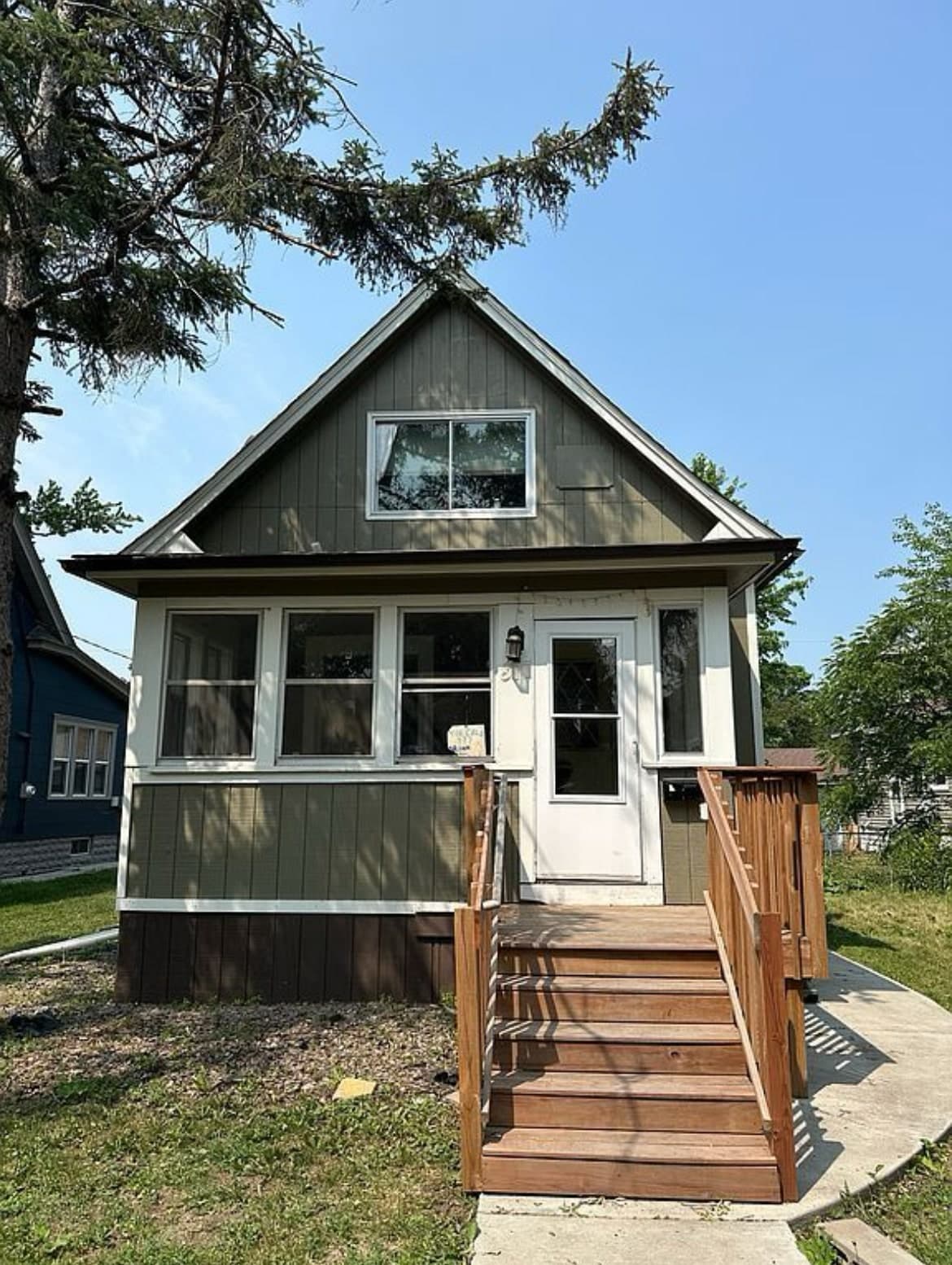
$1,920/unit
Fees may applyMain level duplex w/spacious shared basement
About Off-Campus Housing Near Minneapolis Community and Technical College
Minneapolis Community and Technical College, commonly called MCTC, is a two-year public community college located in the heart of downtown Minneapolis on Hennepin Avenue. Serving approximately 7,000 credit students each semester, MCTC offers associate degrees and certificates in fields ranging from liberal arts and business to health sciences, culinary arts, and information technology. The college is part of the Minnesota State system and operates as an entirely commuter institution, with no on-campus housing available or planned. Its downtown location is one of the most transit-accessible points in the entire Twin Cities metro, sitting steps from the Metro Transit Green and Blue light rail lines and dozens of bus routes. Students come from across the metro area and beyond, and living arrangements vary widely from private apartments in downtown or nearby neighborhoods to suburban housing with a daily commute. Because MCTC does not provide any residential infrastructure, all students must secure their own housing independently. The college's urban setting means that students have access to an enormous range of neighborhoods at varying price points, making it possible to find accommodation to suit nearly any budget.
Minneapolis Community and Technical College Housing Requirements
Freshman Live-On Requirement
MCTC does not have a freshman live-on requirement or any on-campus housing program. The college is a commuter institution and does not operate residence halls or affiliated housing. All students, including first-semester freshmen, are fully responsible for securing their own housing.
Off-Campus Eligibility
Because MCTC has no on-campus housing, every student automatically lives off campus. There are no eligibility criteria, credit thresholds, or approval processes related to housing. Students may live anywhere in the metro area and commute by car, light rail, bus, bicycle, or on foot.
Lease Timing
Most Minneapolis leases follow a June 1 or September 1 start date, though the downtown core and adjacent neighborhoods offer more flexibility due to high turnover and a larger stock of professionally managed buildings. Students planning to move for a fall semester should aim to sign a lease by May or June. Those starting in the spring semester should begin searching in October or November.
Housing policies change frequently. Always verify current requirements directly with Minneapolis Community and Technical College before signing a lease.
When to Start Looking for Housing Near Minneapolis Community and Technical College
Early Searchers
Students targeting housing near MCTC's downtown Minneapolis campus who begin searching in January or February for a fall start will find the best selection and most competitive pricing. The neighborhoods closest to downtown, including the North Loop, Elliot Park, and Cedar-Riverside, move quickly once spring listings appear. Beginning early also allows time to compare multiple units and negotiate lease terms.
Peak Demand Window
The Minneapolis rental market peaks between February and April each year, when the majority of available units are listed and competition from University of Minnesota students, young professionals, and newcomers to the city is at its highest. MCTC students searching during this window should be prepared to act quickly on listings that fit their budget, as desirable units near transit lines often lease within a few days. Having documentation such as proof of income or financial aid ready in advance speeds up the application process considerably.
Last-Minute Options
Students who need housing by August or later in the summer can still find units, particularly in the downtown core and neighborhoods farther from the University of Minnesota where demand is somewhat lower. Extended-stay hotels and furnished month-to-month apartments can serve as short-term solutions while a longer-term lease is secured. MCTC's student services office maintains resource lists and connections that can help students identify available housing quickly.
Neighborhoods Near Minneapolis Community and Technical College
Downtown Minneapolis
Living in the downtown core puts MCTC students within walking distance of campus and gives them direct access to the light rail, bus rapid transit, and the Skyway system. High-rise apartment buildings in downtown range from budget-friendly older units to newer luxury towers, offering options at several price points.
Elliot Park
Elliot Park sits immediately east of downtown and is one of the more affordable neighborhoods adjacent to campus. It has a mix of historic apartment buildings and newer developments, and the light rail Blue Line runs through its western edge for easy commuting.
Cedar-Riverside
Cedar-Riverside is a dense, culturally diverse neighborhood just south of downtown along the Mississippi River corridor and Cedar Avenue. It is well served by bus routes and has historically been home to a large student population due to proximity to several colleges.
North Loop
The North Loop neighborhood sits northwest of downtown across the river and has transformed into one of Minneapolis's trendiest areas over the past decade. Rents are higher than in Elliot Park but students who value walkable access to restaurants and nightlife while still being close to campus often find the tradeoff worthwhile.
Stevens Square
Stevens Square is a quiet residential neighborhood just southwest of downtown with relatively affordable rents and good bus access to MCTC. It borders the Whittier neighborhood and offers a more residential feel than the downtown core while remaining an easy commute.
Frequently Asked Questions: Off-Campus Housing Near Minneapolis Community and Technical College
Common questions from students searching for housing.
Renting near MCTC in downtown Minneapolis or the adjacent Elliot Park and Cedar-Riverside neighborhoods typically costs between $950 and $1,500 per month for a studio or one-bedroom unit as of 2024. Shared apartments with two or more bedrooms can reduce individual costs to $700 to $950 per month. Downtown luxury buildings charge significantly more, while older buildings in Elliot Park offer lower prices.
MCTC does not have on-campus housing of any kind. It is a commuter college and has never operated residence halls. All students must find and pay for their own housing, whether that is a private apartment in Minneapolis or a home elsewhere in the metro area.
The neighborhoods closest to MCTC's Hennepin Avenue campus are downtown Minneapolis, Elliot Park to the east, the North Loop to the northwest, and Cedar-Riverside to the south. All of these are reachable on foot or by a short transit ride from campus.
Yes. MCTC's downtown location is one of the best-served transit hubs in the Twin Cities. The Metro Transit Blue and Green light rail lines, multiple express bus routes, and the Northstar commuter rail all stop within a short walk of campus. Students coming from suburban locations can typically commute reliably without a car.
Students planning to live near MCTC should start their search in January or February for a fall semester start. The downtown and near-downtown rental market in Minneapolis is competitive in the spring months. Starting early gives you the best selection and avoids the rush that peaks between February and April.
It depends on the building. Larger professionally managed downtown apartment buildings are more likely to include water and sometimes heat in the rent. Older buildings in Elliot Park or Cedar-Riverside often charge utilities separately. Always confirm what is and is not included before signing a lease, and budget for electricity and internet as separate expenses if needed.
Living directly in downtown Minneapolis is possible for MCTC students on a tight budget, especially if sharing a unit with one or more roommates. Elliot Park and Cedar-Riverside offer lower rents than the downtown core while still providing quick access to campus by foot or bus. Students with more flexibility may also consider neighborhoods farther out with strong light rail connections.
Parking in downtown Minneapolis is available but expensive compared to suburban areas. Monthly parking in a downtown ramp can cost $100 to $200 or more. Students who commute by car should factor parking costs into their overall budget. Many MCTC students find that using transit eliminates the need for a car and its associated costs entirely.
Yes, the downtown Minneapolis area has a relatively strong supply of furnished and short-term rental options compared to other parts of the city. Extended-stay hotels and corporate apartment providers operate in the downtown core, and platforms like Furnished Finder list month-to-month furnished units. These tend to cost more per month than standard unfurnished leases.
MCTC's student services office maintains housing resource lists and can connect students with community organizations that assist with housing searches and financial assistance. The college also posts information on its website about nearby affordable housing options. Students are encouraged to reach out early in their enrollment process rather than waiting until just before classes begin.
More Housing Near Minneapolis Community and Technical College
Search by Room Type
Search by Lifestyle
Other Universities in Minneapolis
Other universities in Minneapolis share a similar off-campus housing market.
Augsburg College
Augsburg University sits in Cedar-Riverside at 2211 Riverside Ave, a compact urban campus between the Mississippi River and the University of Minnesota. Founded in 1869, Augsburg has grown into a diverse liberal arts university with strong programs in health sciences, social work, business, and the arts, drawing…
View housing near Augsburg CollegeCapella University
Capella University is a fully online, for-profit university headquartered at 225 South 6th Street in downtown Minneapolis, Minnesota. Founded in 1993 and accredited by the Higher Learning Commission, Capella offers bachelor's, master's, doctoral, and certificate programs through its online FlexPath and GuidedPath…
View housing near Capella UniversityDunwoody College of Technology
Dunwoody College of Technology is a private nonprofit technical college in the Near North neighborhood of Minneapolis, Minnesota, offering programs in engineering technology, construction, design, and health sciences. Dunwoody does not operate campus dormitories, so all students arrange their own housing in the…
View housing near Dunwoody College of TechnologyInstitute of Production and Recording
The Institute of Production and Recording is a small, focused vocational school in the southwest Minneapolis metro area dedicated to training students in audio production, music business, and recording arts. With an enrollment of roughly 300 students, IPR offers an intimate learning environment built around hands-on…
View housing near Institute of Production and RecordingMinneapolis Business College
Minneapolis Business College is a small proprietary institution located along Hennepin Avenue in the Loring Park neighborhood of Minneapolis, Minnesota. The college focuses on career-oriented business and vocational programs designed for working adults and students seeking applied professional training. Enrollment is…
View housing near Minneapolis Business CollegeMinneapolis College of Art and Design
Minneapolis College of Art and Design, known as MCAD, is a private fine arts and design college located in the Whittier neighborhood of south Minneapolis, adjacent to the Minneapolis Institute of Art. Founded in 1886, MCAD enrolls approximately 750 undergraduate and graduate students across programs in fine arts,…
View housing near Minneapolis College of Art and DesignNorth Central University
North Central University is a small, faith-based liberal arts university affiliated with the Assemblies of God, located in the Elliot Park neighborhood of downtown Minneapolis, Minnesota. Founded in 1930, NCU enrolls approximately 1,200 undergraduate students and offers programs in theology, ministry, business,…
View housing near North Central UniversityThe Art Institutes International Minnesota
The Art Institutes International Minnesota was a for-profit design and media college located at 2400 3rd Ave S in Minneapolis, Minnesota. It offered programs in graphic design, web design, fashion, and culinary arts. The school permanently closed around 2015 as part of the broader closure of Art Institutes campuses…
View housing near The Art Institutes International Minnesotafind my place guides for Minneapolis Community and Technical College
Curated recommendations from students who’ve been there.
best overall housing near Minneapolis Community and Technical College
ReadGuidebest management near Minneapolis Community and Technical College
ReadGuidebest social housing near Minneapolis Community and Technical College
ReadGuidebest quality housing near Minneapolis Community and Technical College
ReadSee how students rate the places near Minneapolis Community and Technical College on social life, management, and quality before you tour.
Read student housing reviews near Minneapolis Community and Technical College →