Student Housing in Boise, ID
Student Housing in Boise, ID
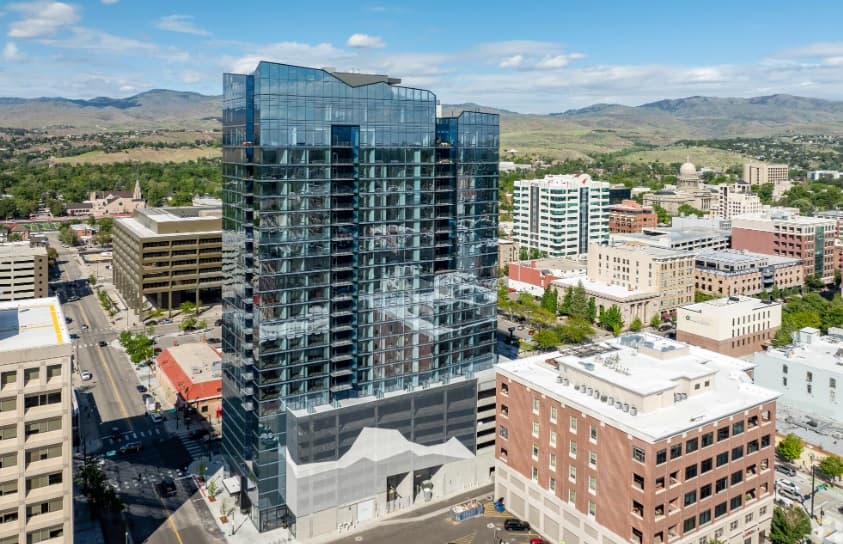
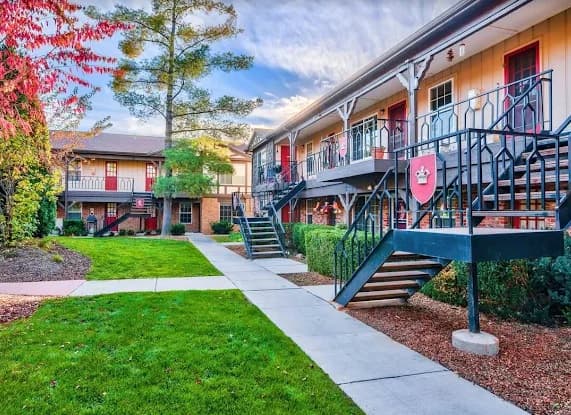
$1,335+/unit
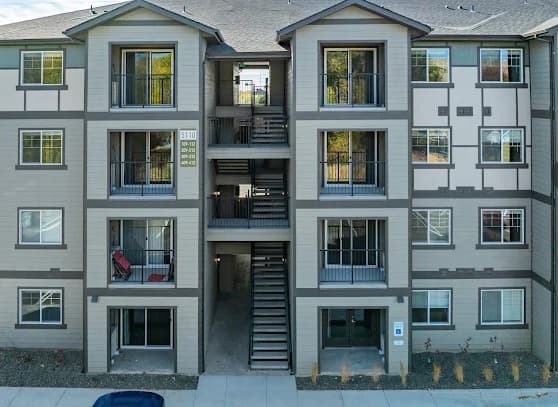
Fees may applyCambridge/Dorchester Apartment Homes
About Student Housing in Boise
Boise has become one of the fastest-growing mid-size cities in the country, and its rental market has adjusted accordingly — rents have risen sharply over the last five years, surprising students who expected affordable mountain-west prices. Boise State University drives most of the student demand, centered around the BSU campus on the Boise River. The North End and BSU-adjacent neighborhoods fill fastest each spring. The city compensates with genuine outdoor access, a walkable downtown, and a bike trail system along the Greenbelt that makes car-free commuting realistic from many neighborhoods.
Best Neighborhoods for Students in Boise
Near BSU (Capitol Boulevard Corridor)
The primary student zone — walking distance to Boise State's campus, with dense apartment buildings and some older houses converted to student rentals. Fills by February for the following fall.
North End
Boise's most desirable neighborhood — tree-lined streets, walkable, close to downtown and within biking range of BSU. Pricier than near-campus zones but with better quality of life. Popular with upperclassmen and grad students.
Southeast Boise
More affordable than the North End and BSU corridor, with newer apartments. Bus and bike access to campus is reasonable. The tradeoff is less neighborhood character.
Getting Around Boise as a Student
Here's what you need to know about getting around Boise.
Public Transit
Valley Regional Transit buses cover Boise with reasonable frequency along the main corridors. The most useful routes run between BSU, downtown, and the major residential areas. Transit is functional but Boise is not a city where bus-only living is effortless — gaps in frequency and coverage require planning.
Walking and Biking
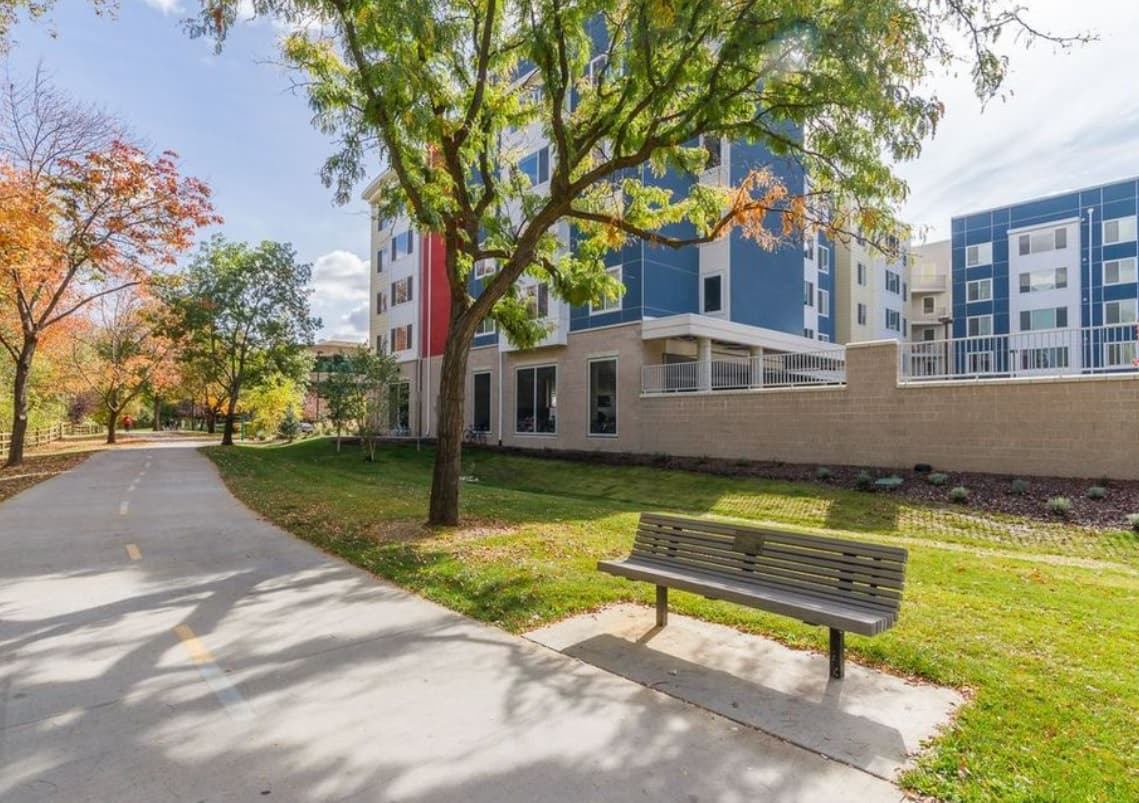
The Greenbelt, a 25-mile paved multi-use path along the Boise River, is the backbone of Boise's cycling network. It runs directly past BSU's campus and connects most riverfront neighborhoods. Many students bike to class along the Greenbelt year-round. The North End and near-BSU areas are walkable. Downtown Boise is legitimately bikeable for daily errands.
Parking
On-campus parking is available by permit and fills up — most students near campus bike or bus rather than drive. The North End and near-BSU streets have street parking but it tightens during school hours. Neighborhoods further from campus have easy, unrestricted parking.
Frequently Asked Questions: Student Housing in Boise
Common questions from students searching for housing.
Boise has gotten expensive. Shared units near BSU typically run $700-$1,100/mo per person. The North End commands a premium. The market has moved closer to coastal mid-size city pricing than the Mountain West affordability it had a decade ago.
Near BSU for walkability and convenience. The North End for quality of life and bikeability — more expensive but worth it for many students. Southeast Boise for budget-conscious students who are comfortable with a bus or bike commute.
Yes, if you are near BSU or in the North End. The Greenbelt makes biking to campus genuinely pleasant. Transit works but requires planning. Off the main corridors, a car becomes more necessary.
October through February for the following fall. Near-BSU apartments fill fastest. The North End goes early too. Waiting until spring means choosing from what is left.
Less common than Provo but available — particularly from private landlords in the North End and near-campus areas. BSU's off-campus housing board and local Facebook groups are the best sources for semester-length sublets.
On Find My Place, River Street leads in Boise with a 5/5 overall rating across 5 reviews. UNCOMMON BOISE (5/5) and LOCAL Boise (5/5) round out the top three. These are the places that consistently rate well across location, value, social, management, and quality — start here if you want a safe pick.
River Street tops the social rating in Boise at 5/5 — students consistently flag the vibe and amenities. Close behind: UNCOMMON BOISE (5/5) and LOCAL Boise (5/5). Pick from these if you don't want to chase a social scene from your apartment.
River Street holds the highest management rating in Boise at 5/5. UNCOMMON BOISE (5/5) and LOCAL Boise (5/5) follow. Management ratings track responsiveness, transparency, and how landlords handle problems — the things you'll feel every month, not just on tour.
Top quality picks on Find My Place in Boise: River Street (5/5), UNCOMMON BOISE (5/5), and LOCAL Boise (5/5). Quality ratings cover the physical state — appliances, finishes, maintenance — so this is the list to start with if you want a place that holds up after move-in.
Most students in Boise cluster in Near BSU (Capitol Boulevard Corridor), North End, and Southeast Boise. These neighborhoods are the natural starting point for any housing search — close to campus, walkable, and where current students consistently land. See the "Best Neighborhoods for Students" section above for what each one is actually like.
Find Housing by University in Boise
Browse student housing near each Boise-area university.
Search Boise Student Housing by…
Lifestyle
See how students rate apartments in Boise, ID on social life, management, and quality before you tour.
Read student apartment reviews in Boise, ID →