Off-Campus Housing Near UC Berkeley
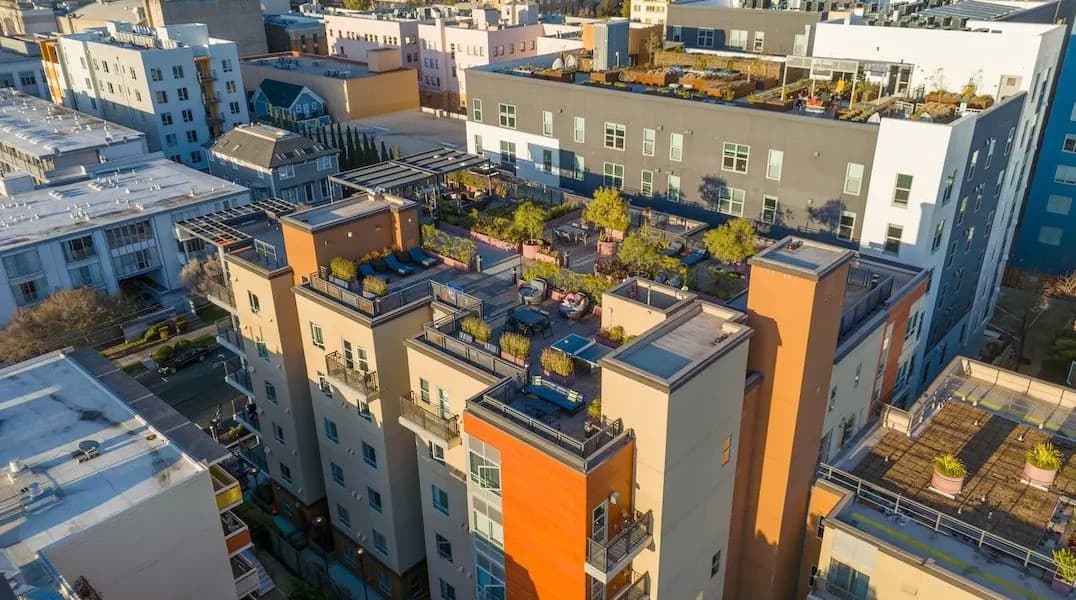
$1,050+/unit
Fees may applyFOUND Study Downtown Berkeley
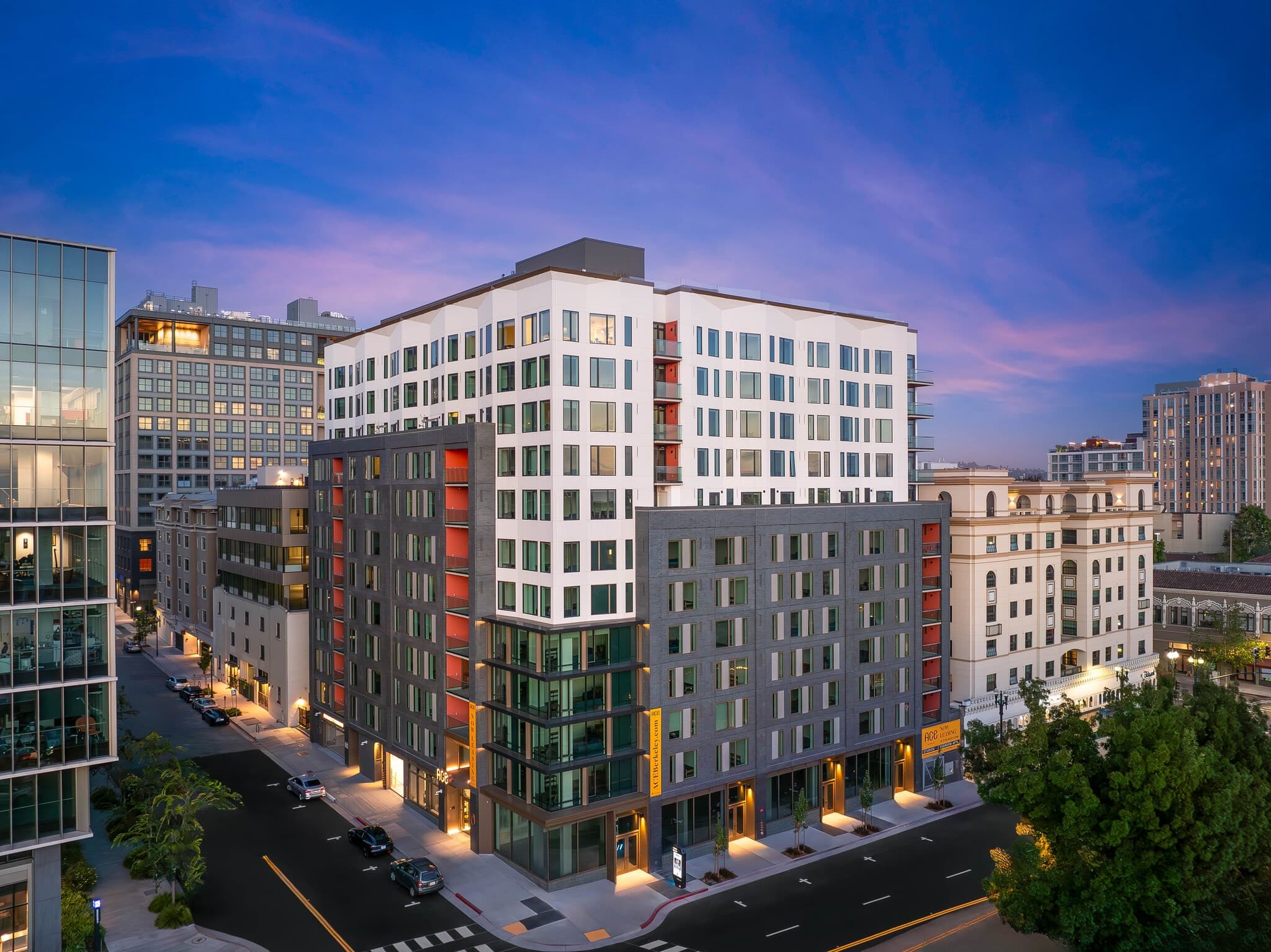
$1,250+/unit
Fees may applyAce Berkeley
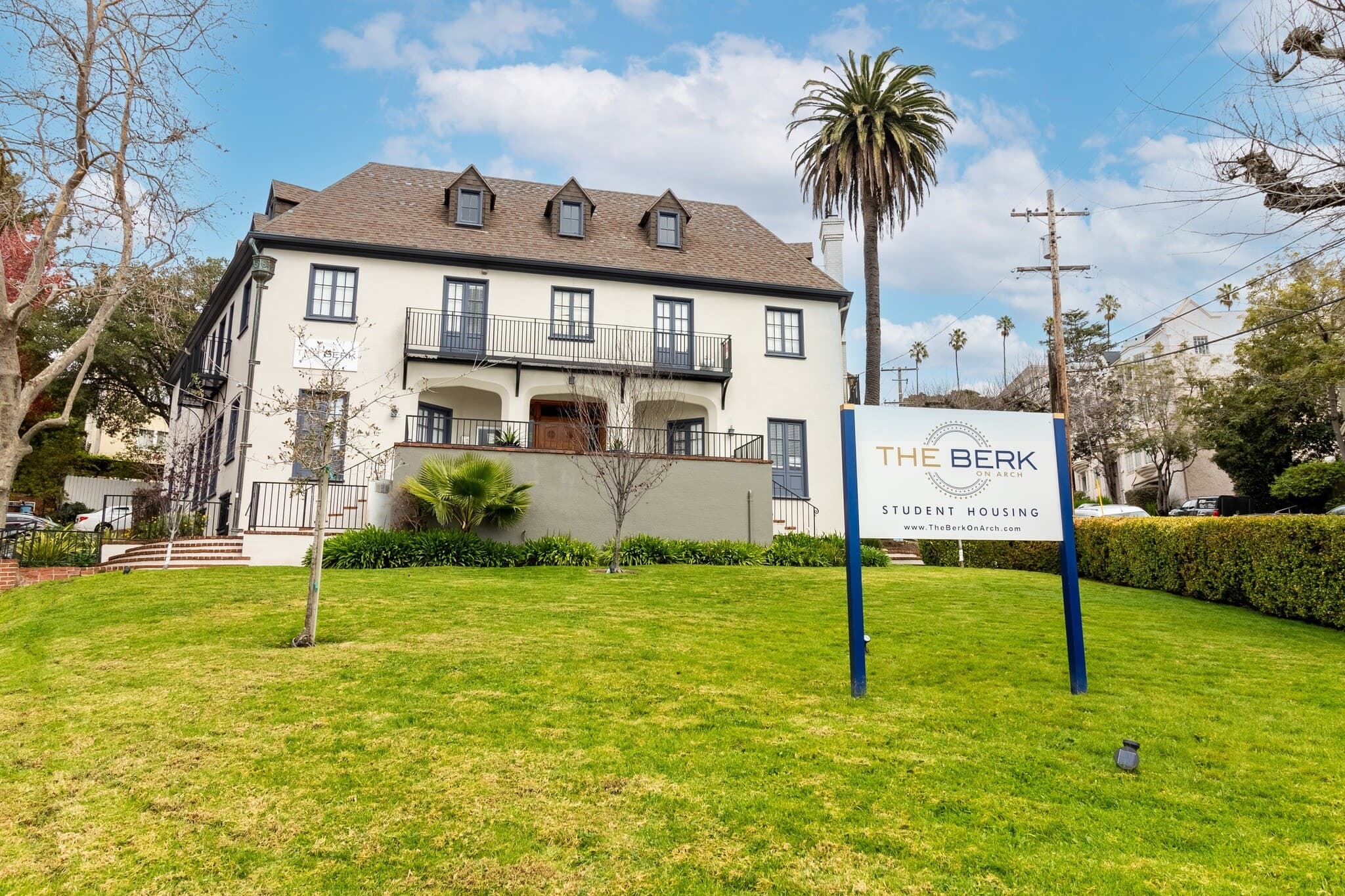
$1,150+/unit
Fees may applyThe Berk
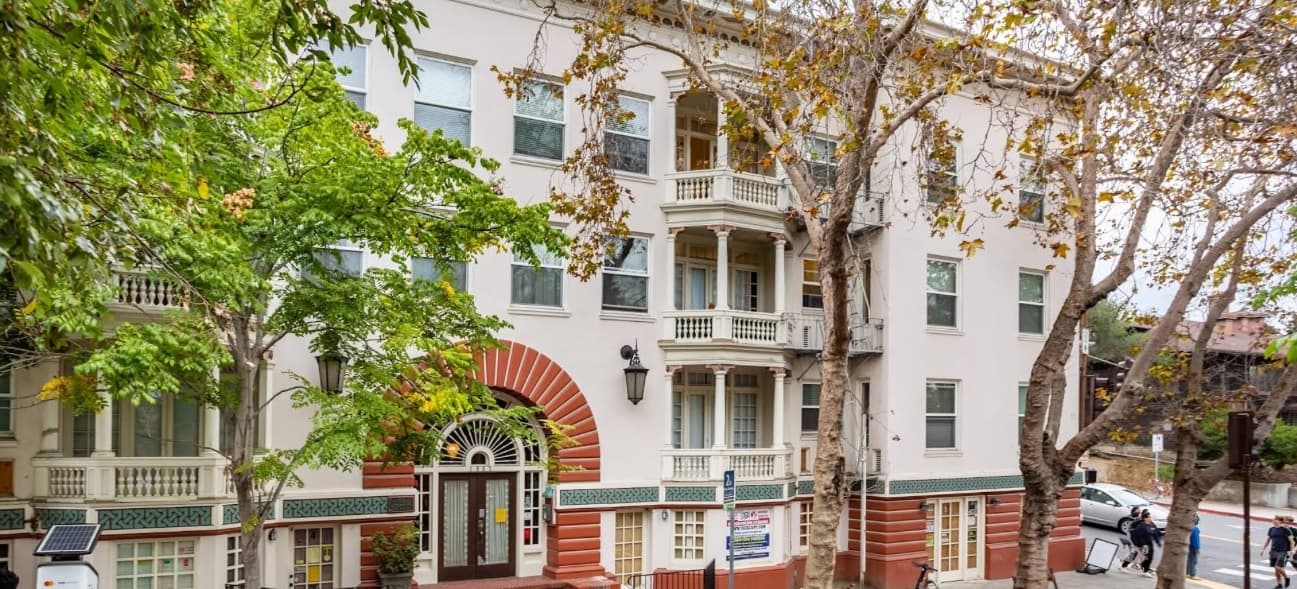
$1,535+/unit
Fees may applyThe Euclid
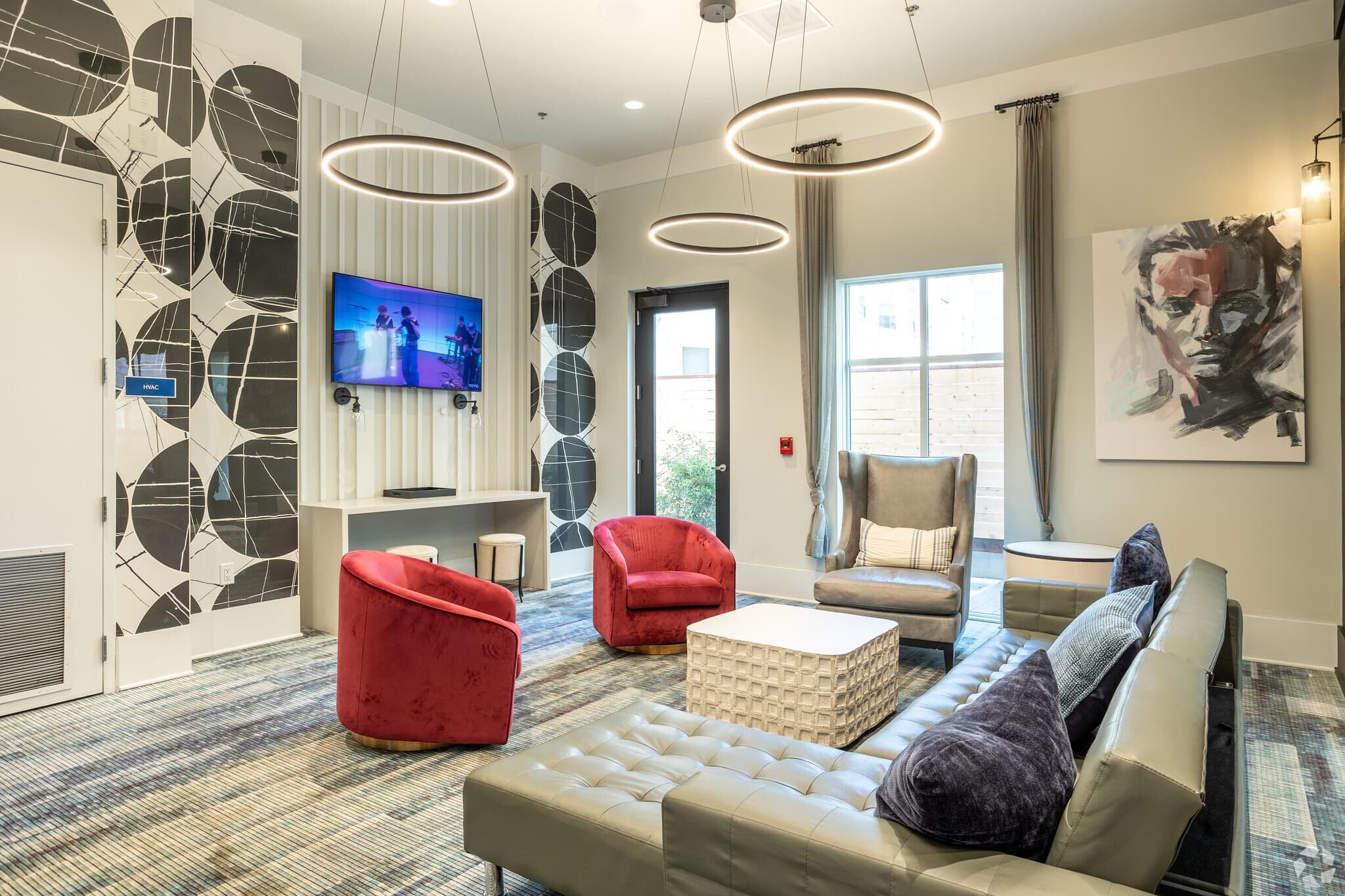
$2,490+/unit
Fees may applyThe Standard at Berkeley
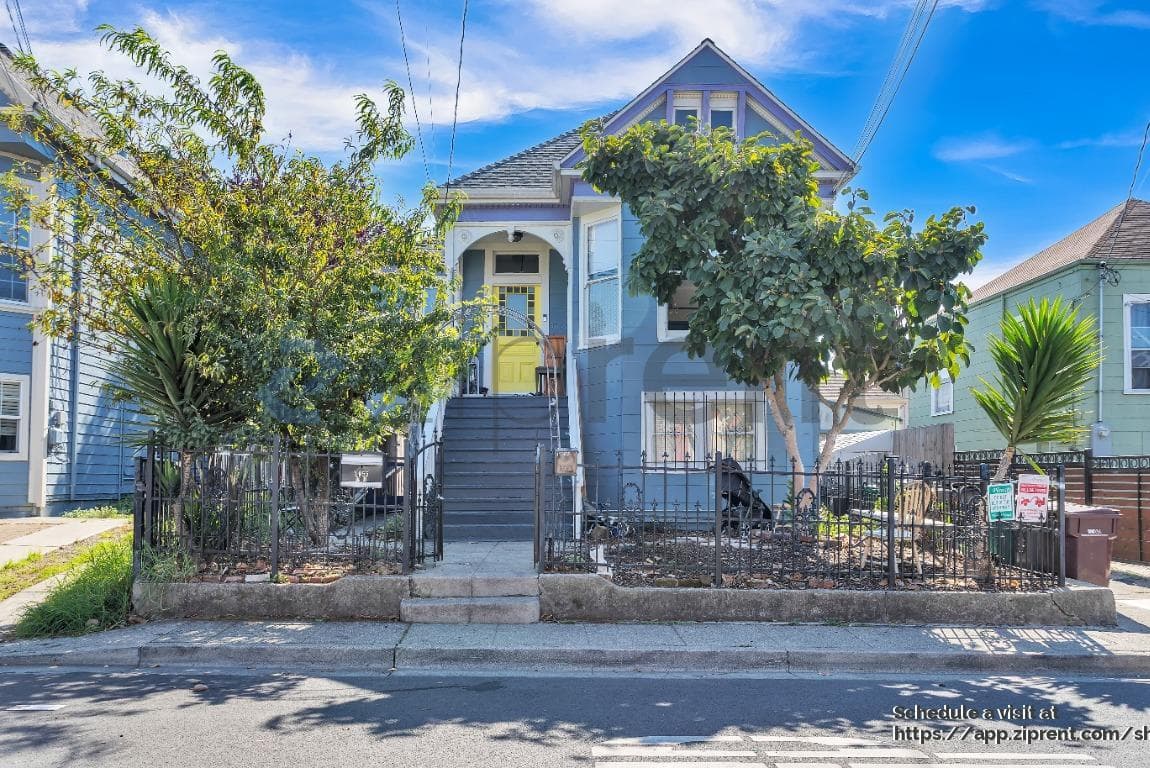
$3,900/unit
Fees may apply1055 48th St
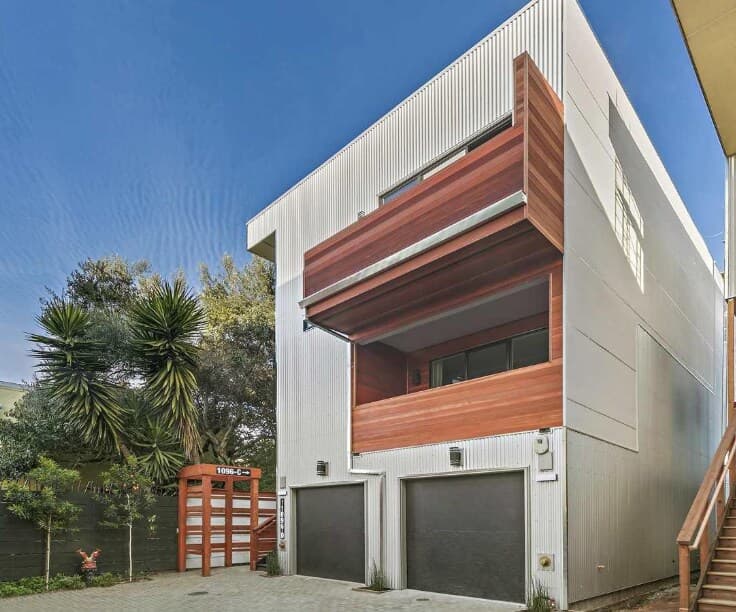
$4,500/unit
Fees may apply1094 53rd St
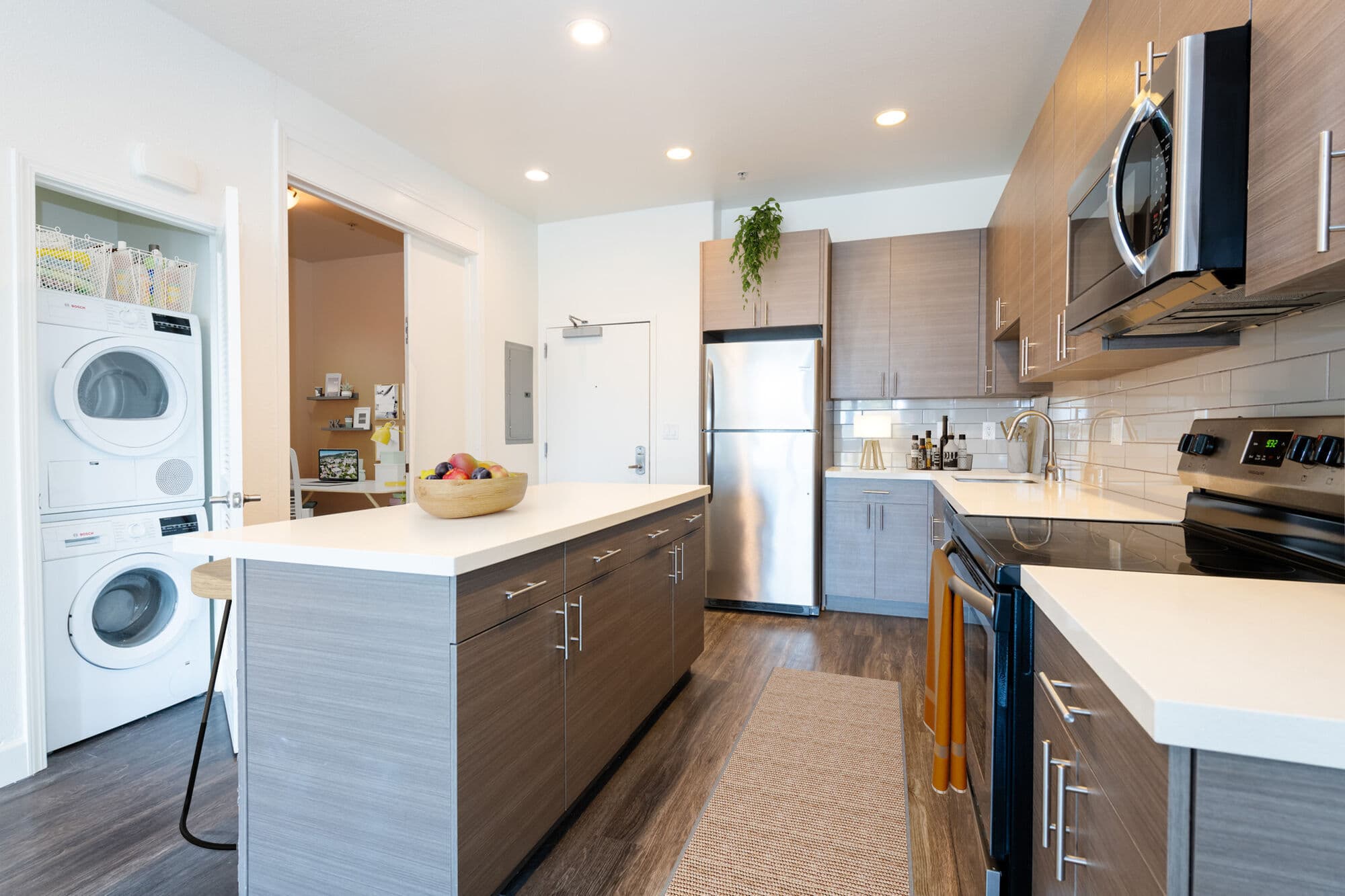
$2,782+/unit
Fees may apply1122U
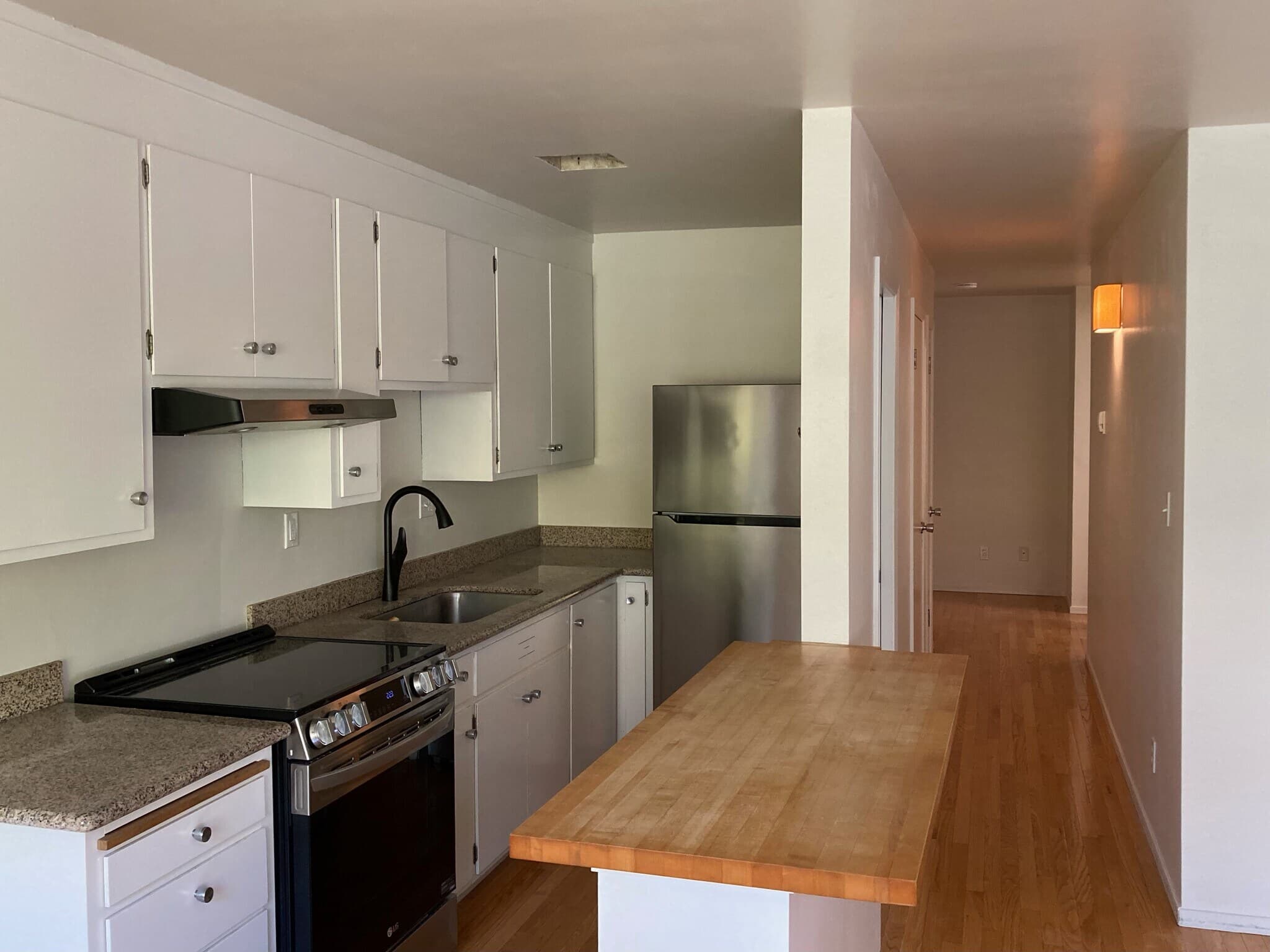
$3,400/unit
Fees may apply1423 Walnut St
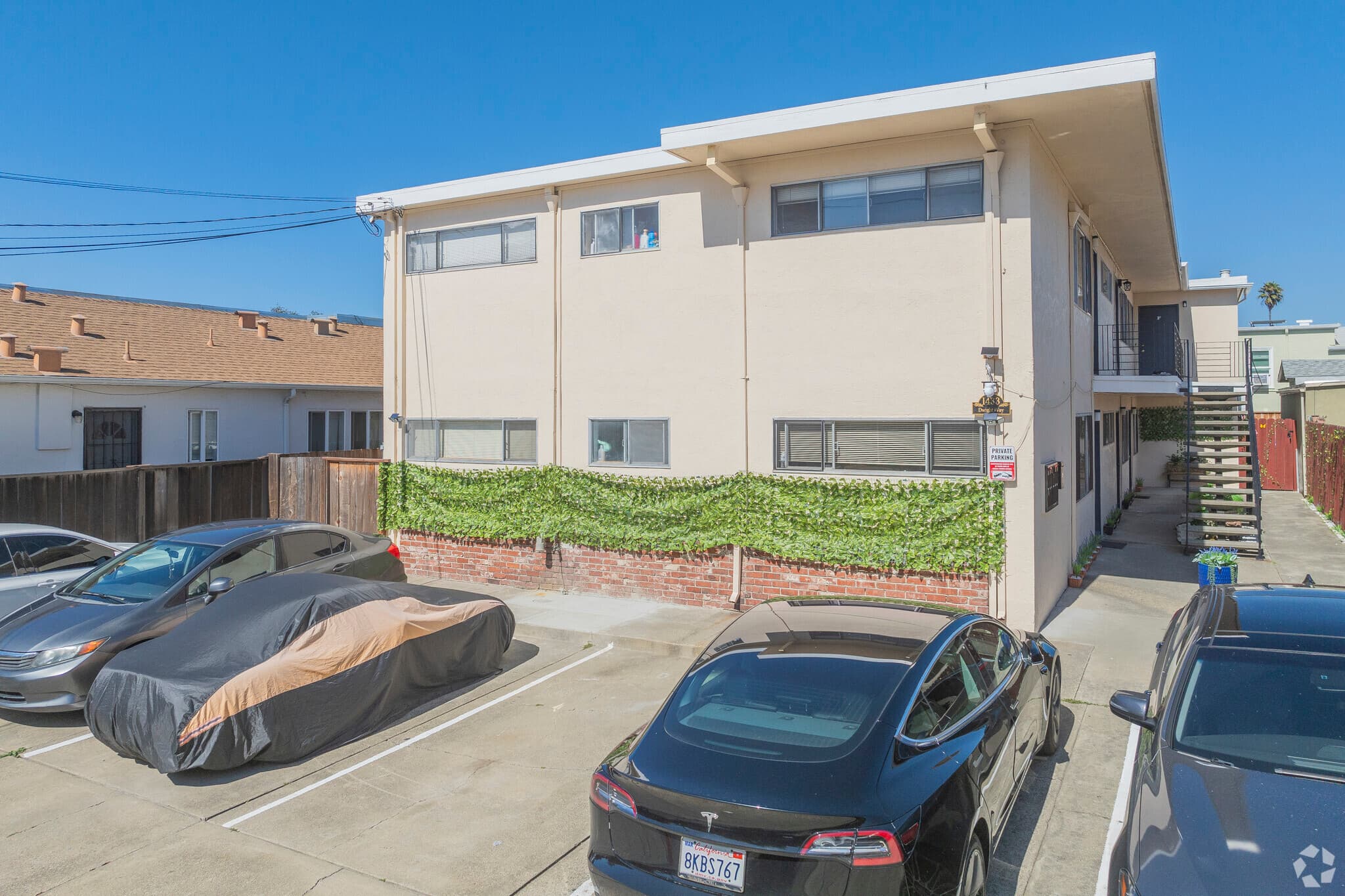
$2,250/unit
Fees may apply1433 Dwight Way
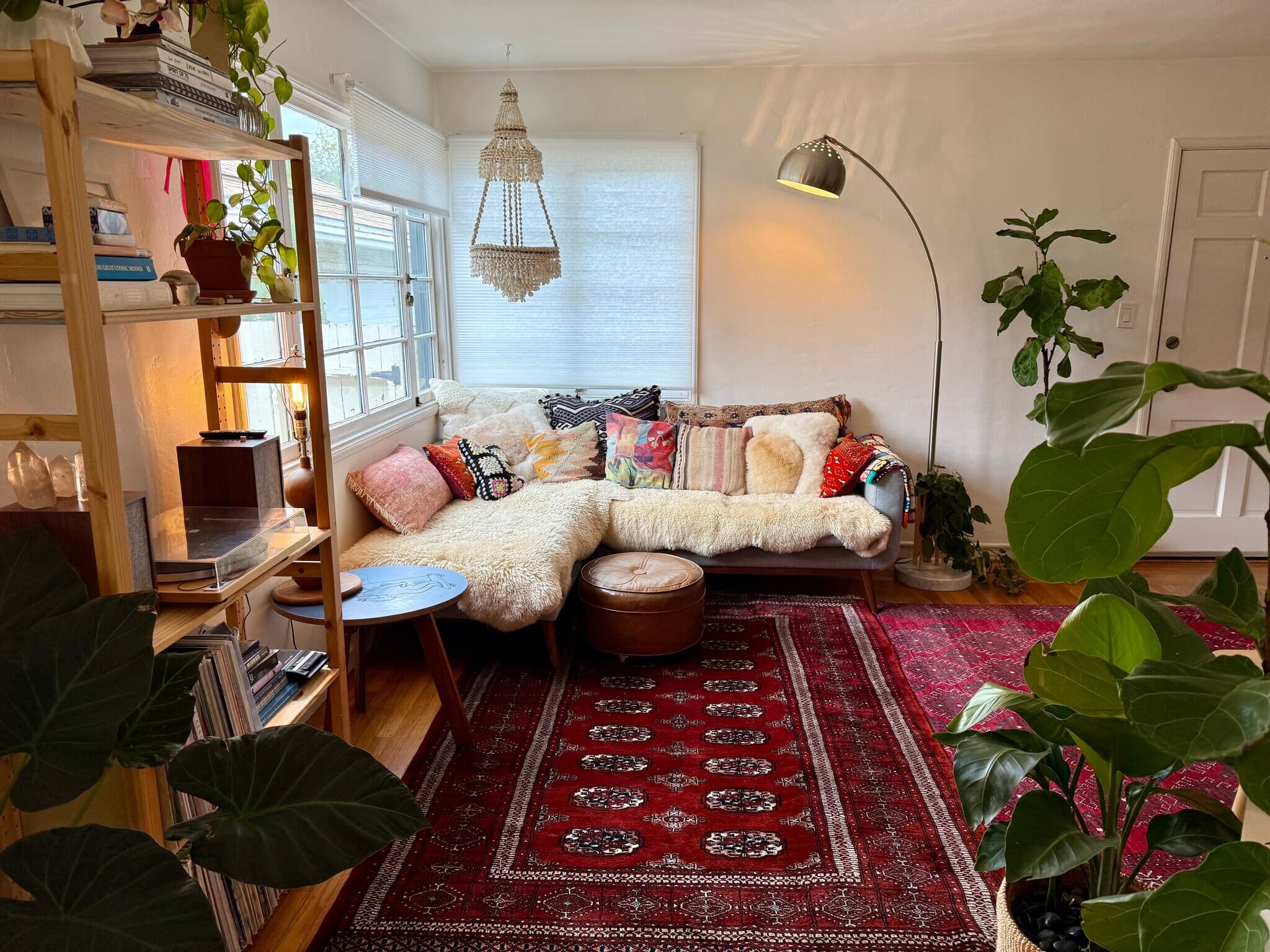
$2,850/unit
Fees may apply1507 Berkeley Way
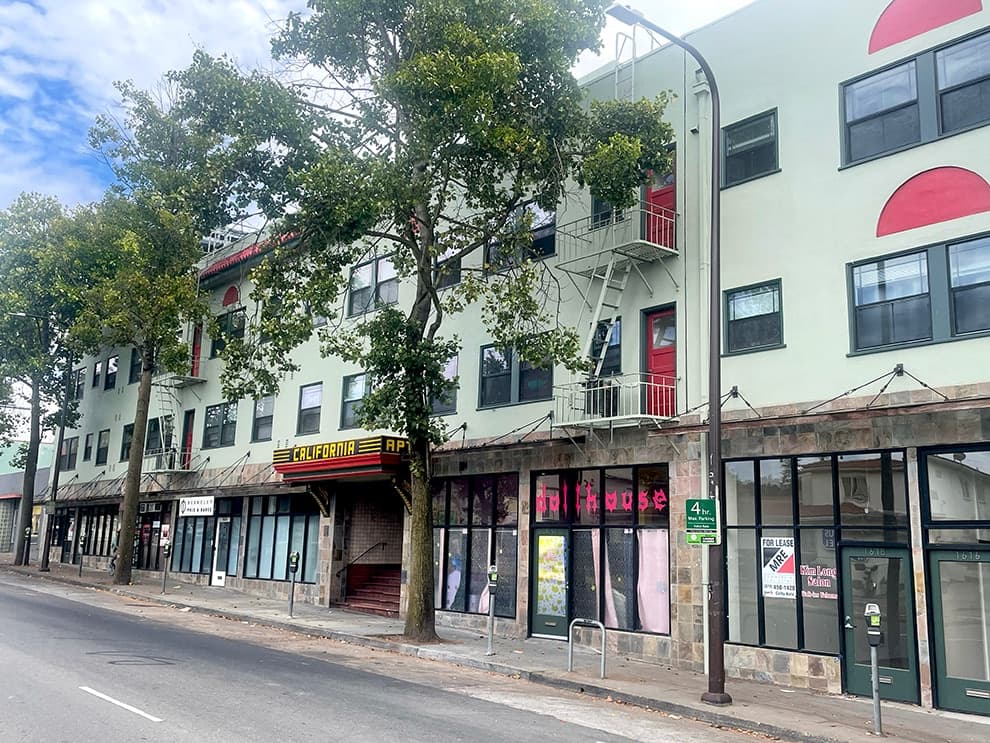
$1,450/unit
Fees may apply1614-1630 University Ave
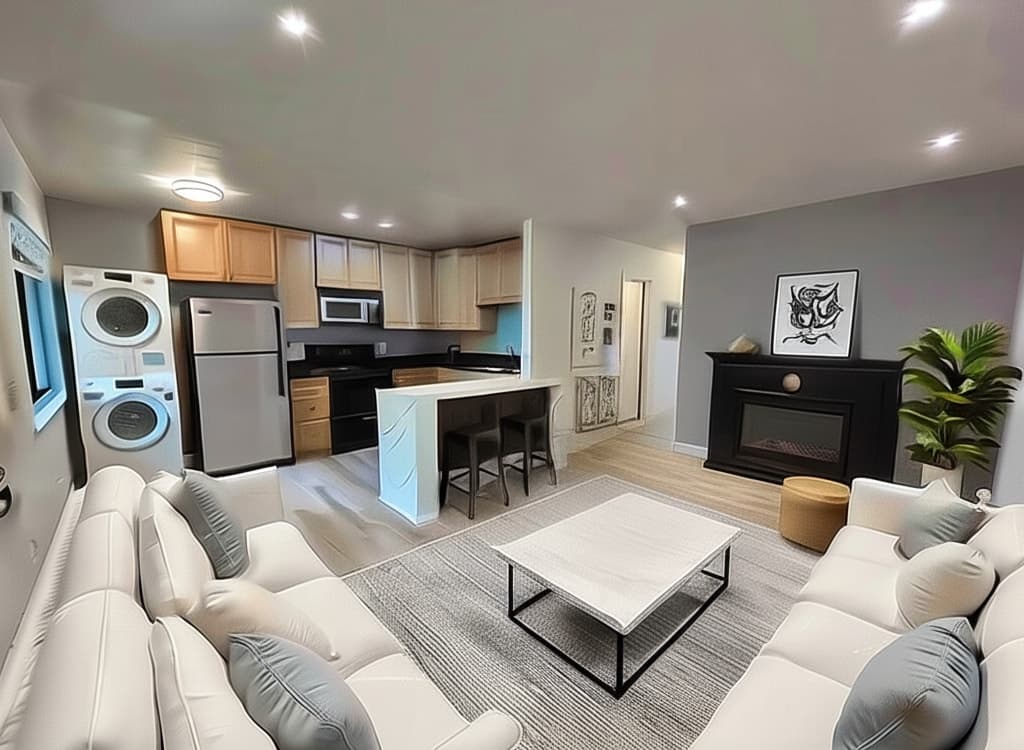
$2,995/unit
Fees may apply1623 Alcatraz Ave
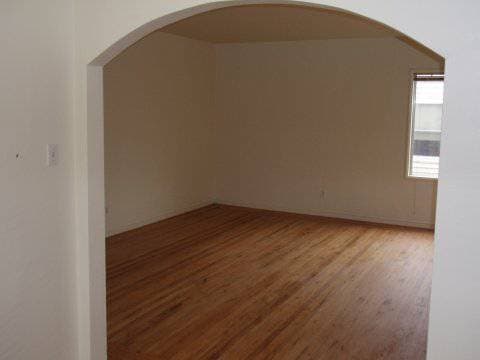
$3,900/unit
Fees may apply1636 Ward Street
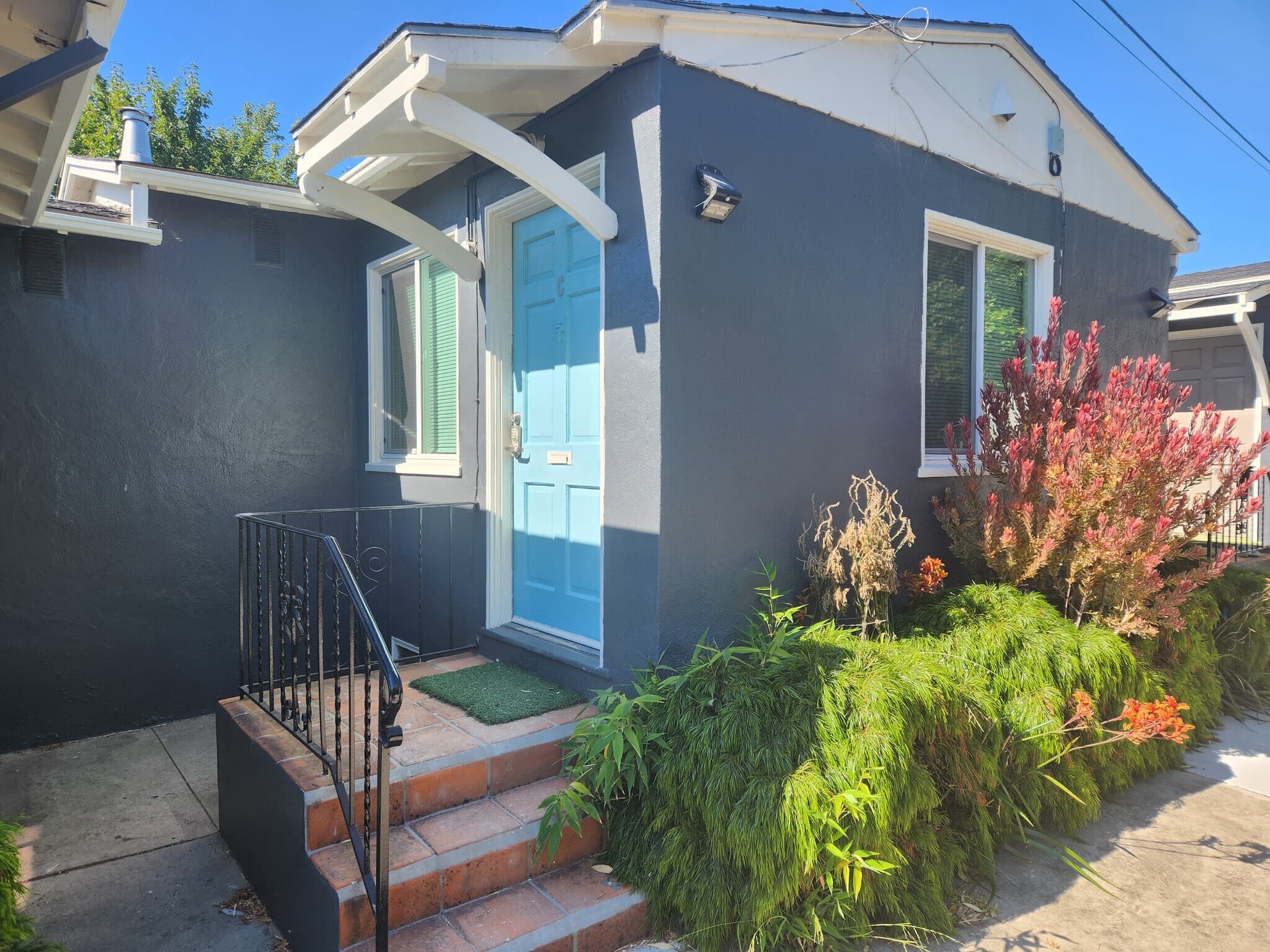
$2,290/unit
Fees may apply1731 10th St
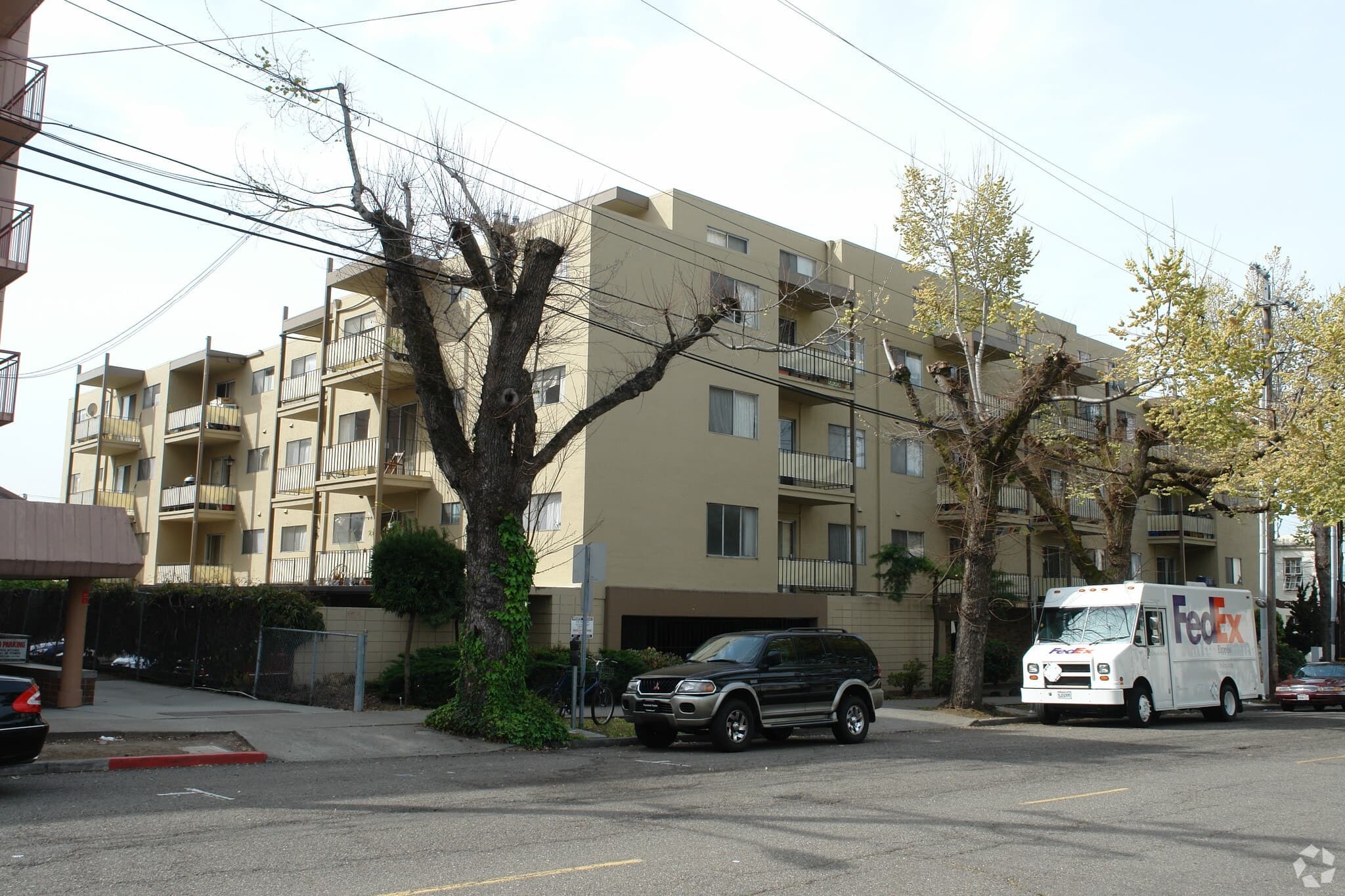
$1,875+/unit
Fees may apply2000 Durant Ave
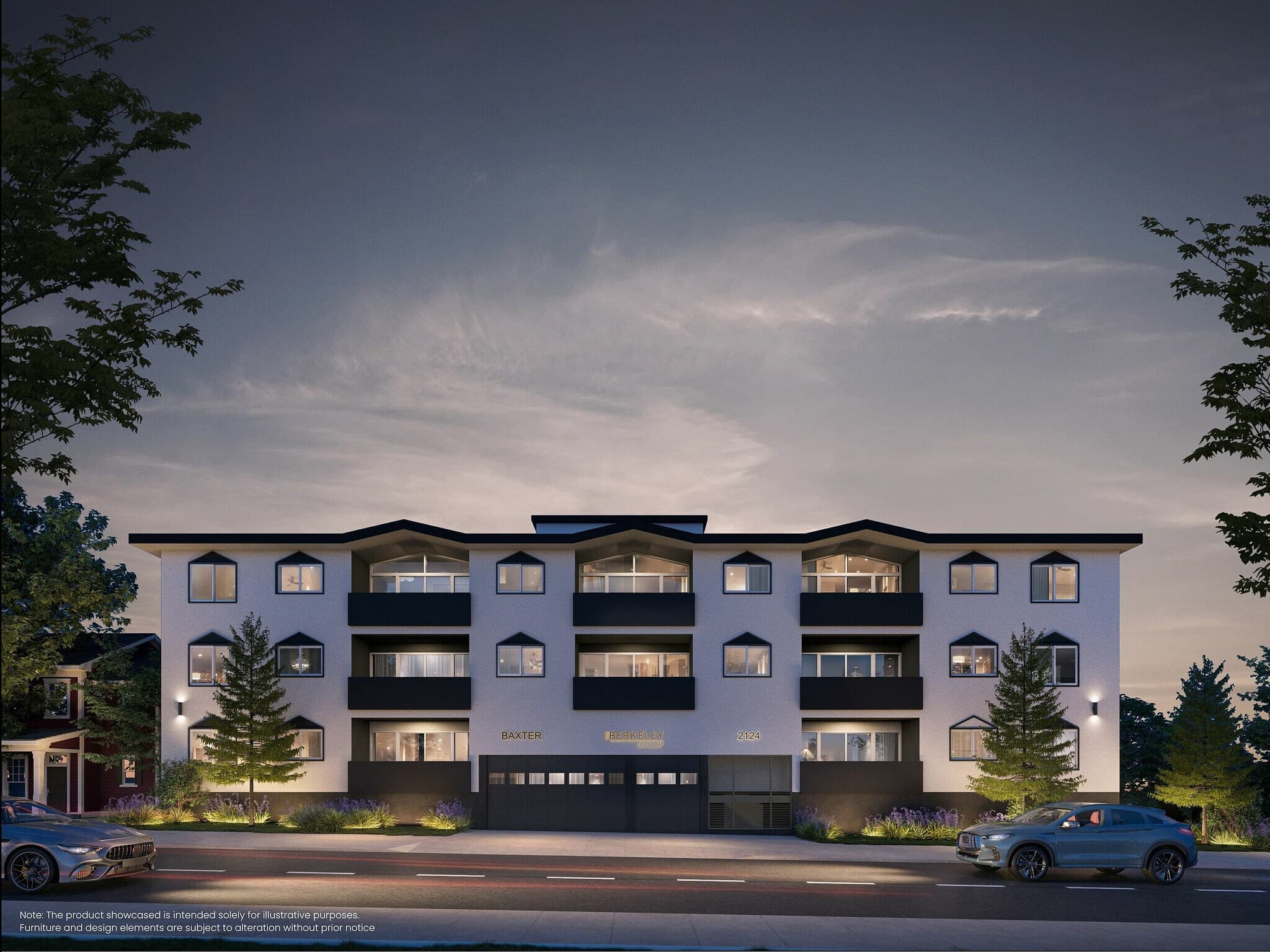
$954+/unit
Fees may apply2124 Parker
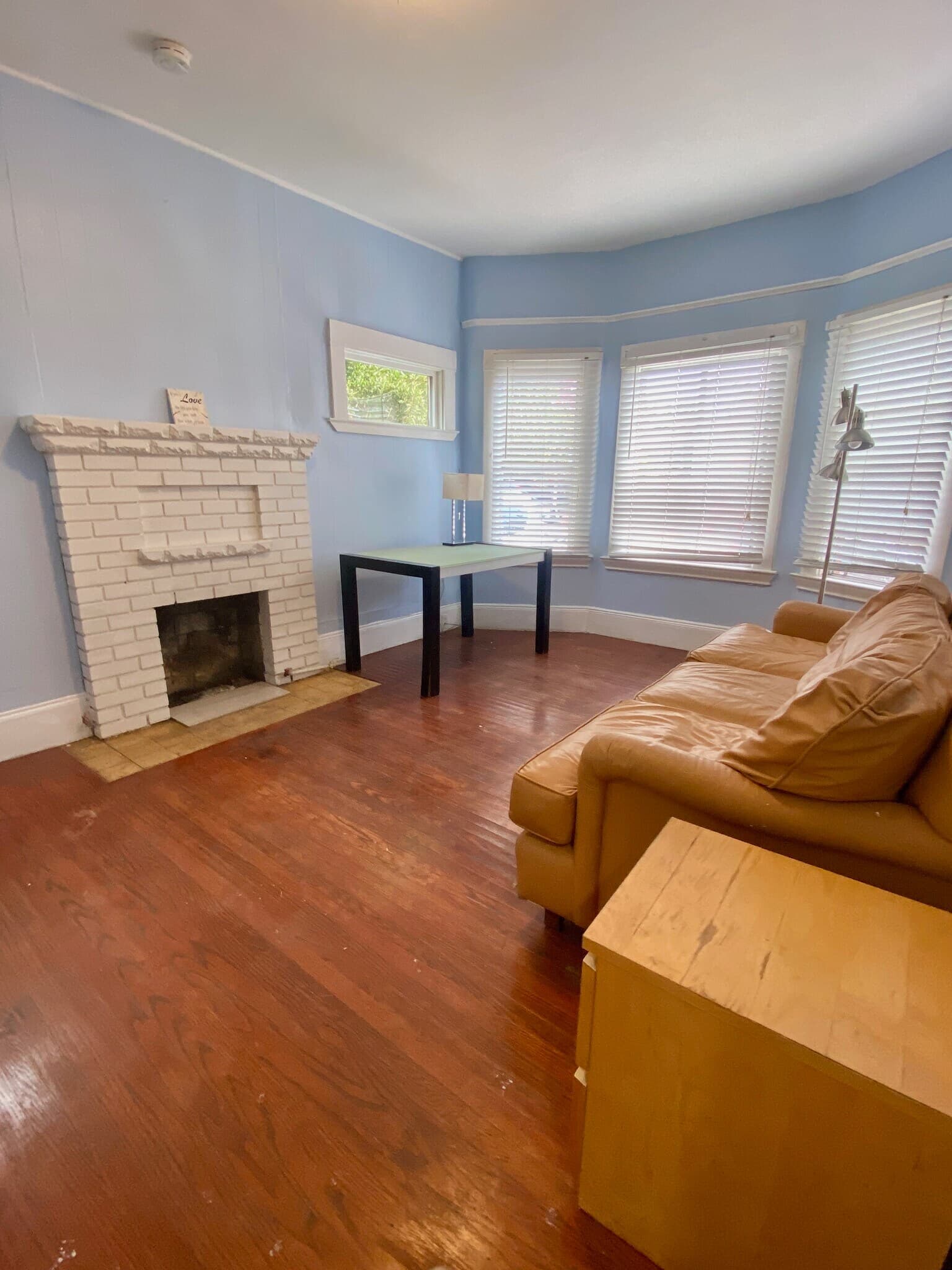
$2,595/unit
Fees may apply2151 Russell St
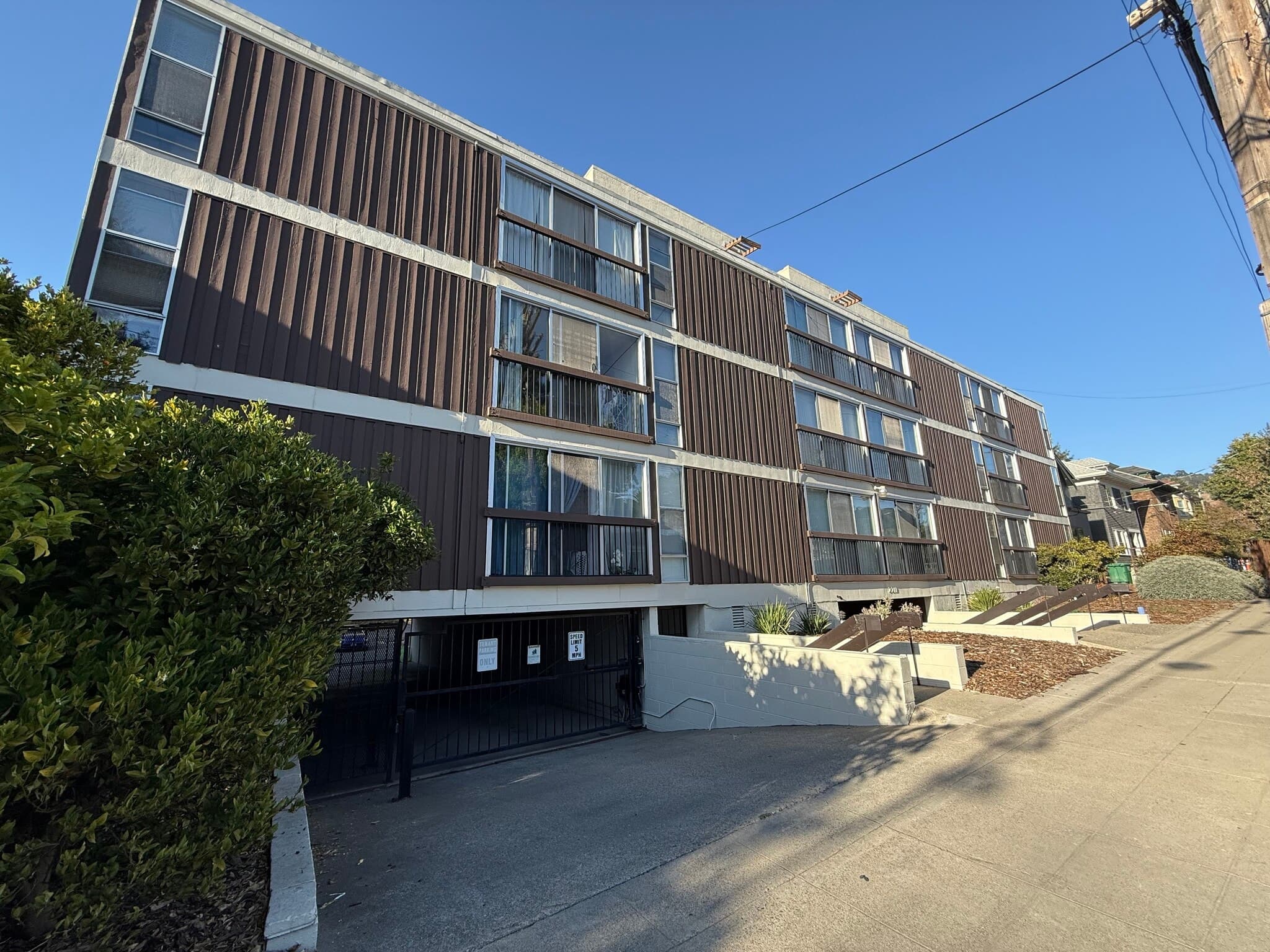
$2,595/unit
Fees may apply2211 Carleton St

$1,140/unit
Fees may apply2225 Hearst
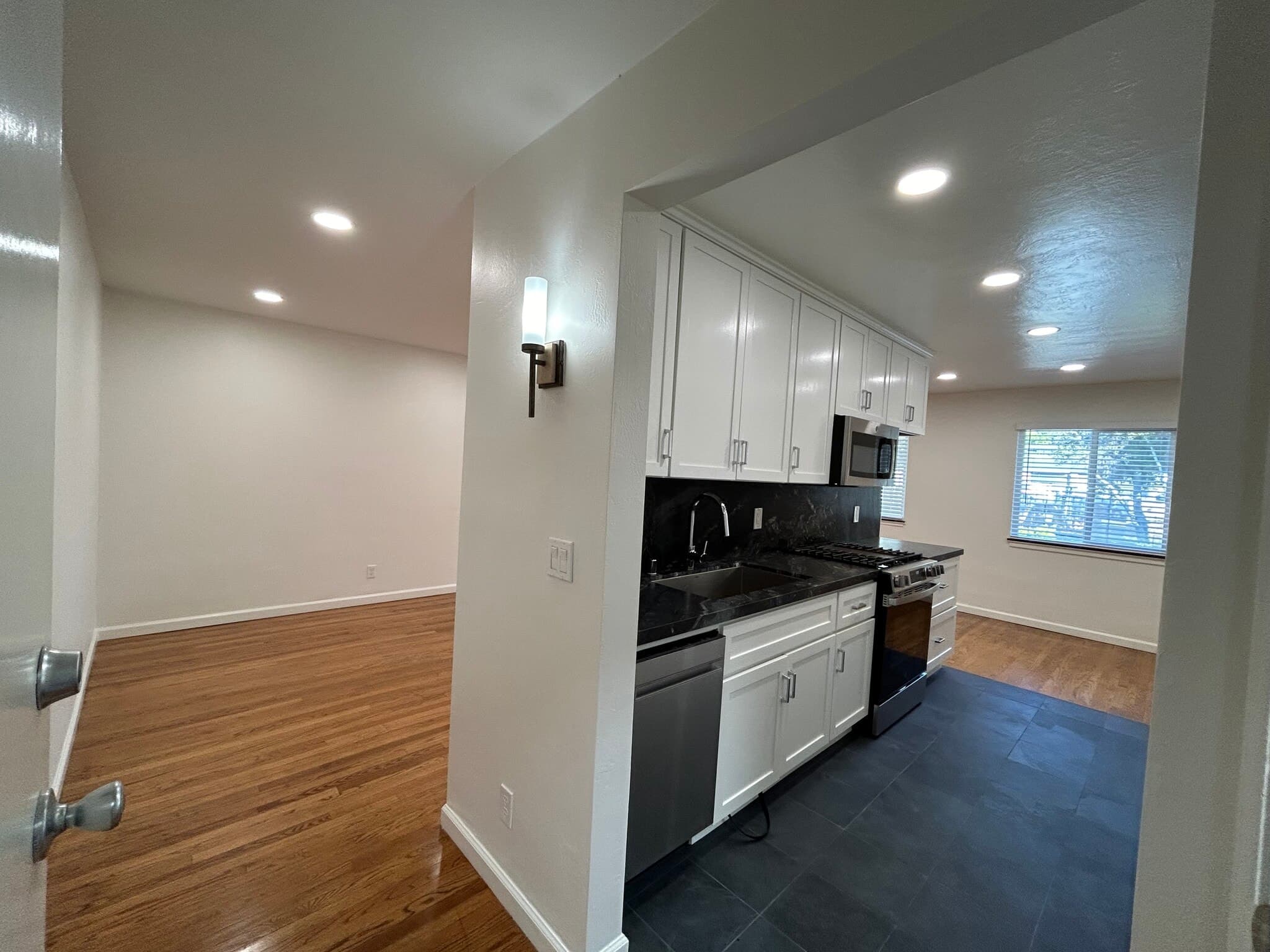
$3,295/unit
Fees may apply2235 Bonar St
About Off-Campus Housing Near University of California, Berkeley
Berkeley's off-campus rental market is one of the tightest and most expensive in the country — you're competing with a massive student body, young professionals, and a general Bay Area population that keeps vacancy rates near zero. Most students pay $1,200–$1,800/month for a shared room. The neighborhoods surrounding campus — Southside along Telegraph, Northside near the Hearst corridor, and the Durant Ave strip — have the highest student concentration and the fiercest competition. Berkeley as a city is walkable, transit-rich, and genuinely interesting to live in, but housing costs mean most students end up in shared houses or apartments with 3–5 roommates. Rockridge and the Elmwood district are popular with upperclassmen and grad students looking for a quieter, more stable living situation a short BART or bike ride from campus.
University of California, Berkeley Housing Requirements
Freshman Live-On Requirements
UC Berkeley requires freshmen to live in university housing — or in a university-affiliated cooperative — for their first year. The Clark Kerr campus and residence halls near the main campus fill incoming freshmen. This is an important factor for housing planning: off-campus apartment searching becomes your reality starting sophomore year.
Off-Campus Eligibility
After the freshman year requirement, students are free to rent anywhere in Berkeley, Oakland, Albany, or anywhere they can manage the commute. There is no contracted off-campus housing system. Many students join Berkeley Student Cooperatives (BSC), which offer significantly cheaper housing with cooperative living arrangements.
Lease Timing
Berkeley's rental cycle is aggressive. Most leases near campus turn over in May or June, and landlords list units as early as January or February. Competition peaks in February and March for fall occupancy. If you wait until April, near-campus inventory is mostly gone.
Housing policies change frequently. Always verify current requirements directly with University of California, Berkeley before signing a lease.
When to Start Looking for Housing Near University of California, Berkeley
Early Searchers
Students who start looking in January or February for fall move-in have the best shot at units near campus and in prime Southside or Northside blocks. Berkeley landlords often list units before current tenants have even confirmed they're leaving, so being active early — even before listings proliferate — gives you a real advantage. The Berkeley Student Cooperatives have their own application cycle, with priority given to early applicants.
Peak Demand Window
February and March are peak competition months. The combination of returning Cal students and incoming transfer students all competing for the same inventory creates a real scramble. Popular houses on the Southside and along Durant go within days of listing. If you haven't signed by April, your near-campus options will be significantly reduced.
Last-Minute Options
Berkeley's tight market doesn't forgive late movers easily. Students who need housing in June or July typically end up in less desirable locations — further from campus, in Oakland's Temescal or Piedmont Ave neighborhoods, or subletting from students studying abroad. BART makes Oakland accessible, but it requires a different daily routine.
Neighborhoods Near University of California, Berkeley
Southside (Telegraph Ave / Durant Ave)
The densest student housing zone — immediately south of campus, loaded with rentals ranging from small studios to large shared houses. The most competitive area in Berkeley, and the most social. Walking to campus from here takes 5–15 minutes depending on where you are on the Hill.
Northside / Hearst Corridor
North of campus, quieter and slightly less competitive than Southside. Popular with engineering students and students in the north campus schools. Access to Tilden Park and the hills is a draw for outdoor-oriented students.
Elmwood / Rockridge
A mile or two south of campus, these neighborhoods attract upperclassmen and grad students who want a quieter residential feel. Housing stock skews toward single-family houses and classic Berkeley bungalows. A bike or BART ride to campus. Rents are similar to Southside but the environment is calmer.
Frequently Asked Questions: Off-Campus Housing Near University of California, Berkeley
Common questions from students searching for housing.
Shared rooms near UC Berkeley typically run $1,200–$1,800/month. Solo studios start around $1,800–$2,200/month. Berkeley is one of the most expensive college-town rental markets in the US — most students end up in shared houses or apartments with 3–5 roommates to make costs workable.
More Housing Near University of California, Berkeley
Search by Room Type
Search by Lifestyle
find my place guides for UC Berkeley
Curated recommendations from students who’ve been there.
See how students rate the places near UC Berkeley on social life, management, and quality before you tour.
Read student housing reviews near UC Berkeley →More on off-campus housing near UC Berkeley
- Find
Average Rent Near UC Berkeley: What Students Pay for Off-Campus Housing
May 19, 2026read more → - Find
Renting Near UC Berkeley as a Transfer Student: What to Expect
Transferring to UC Berkeley? You get a one-year on-campus housing guarantee — but Berkeley's rental market clears Feb-April, so plan year two early. Here's the timeline, the neighborhood map (Southside, Northside, Downtown), realistic rent ranges, and three mistakes transfers consistently make.
May 9, 2026read more → - Move
8 Best Neighborhoods for Students Near UC Berkeley
Eight UC Berkeley student neighborhoods compared by walk time, rent, and vibe: Southside, Northside, Downtown, Elmwood, and four more.
May 8, 2026read more →