Off-Campus Housing Near WVU
Off-Campus Housing Near WVU

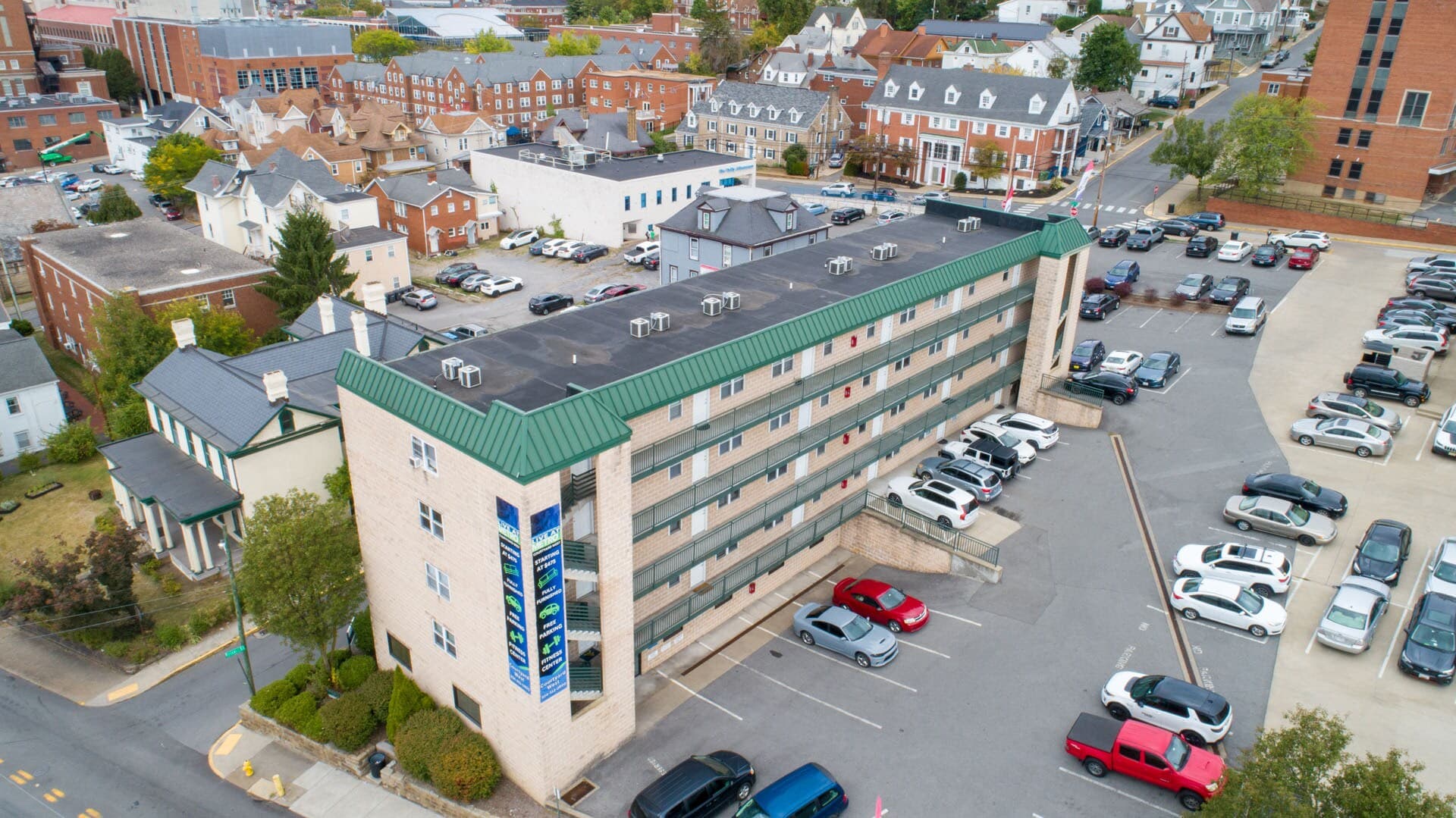
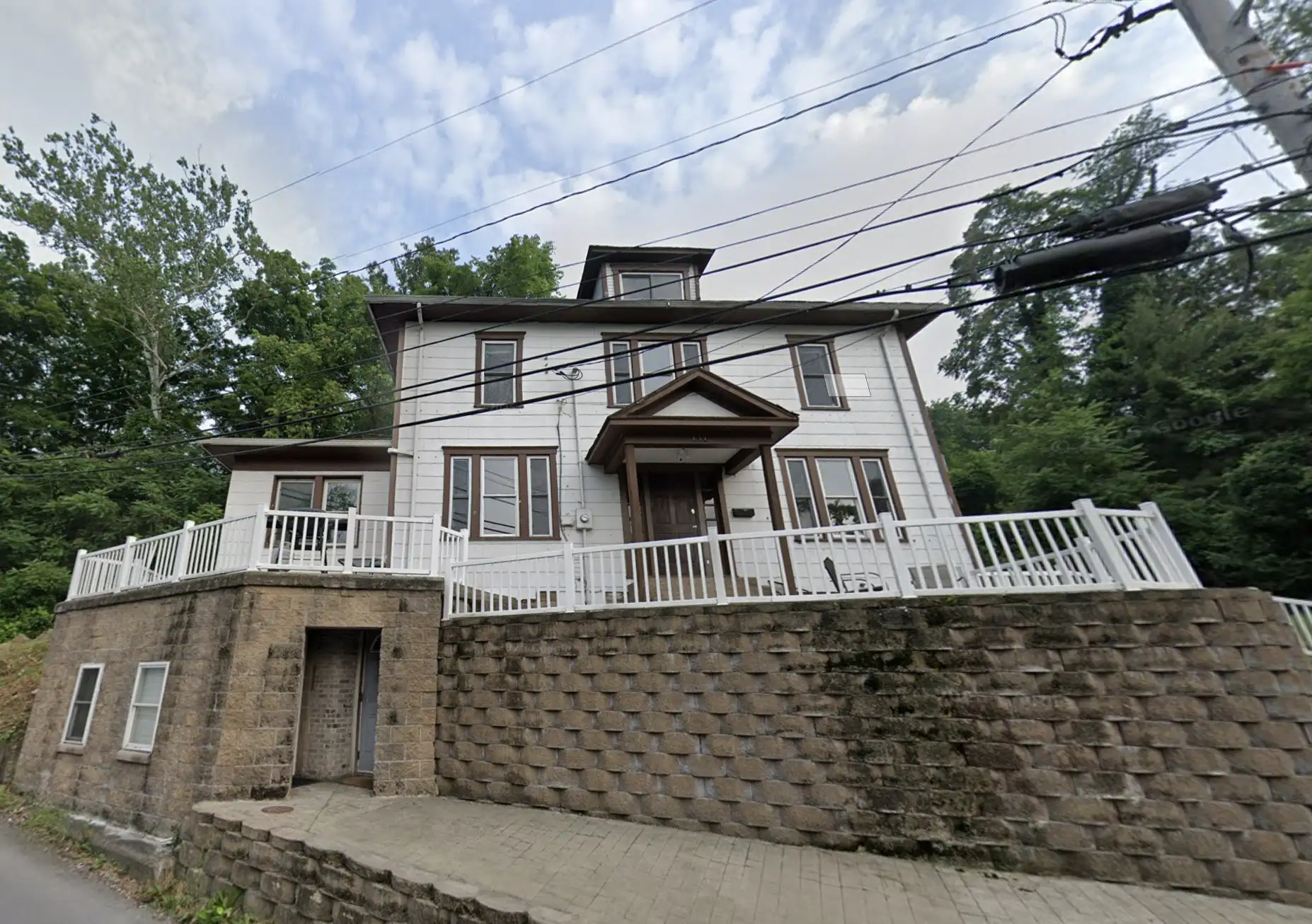
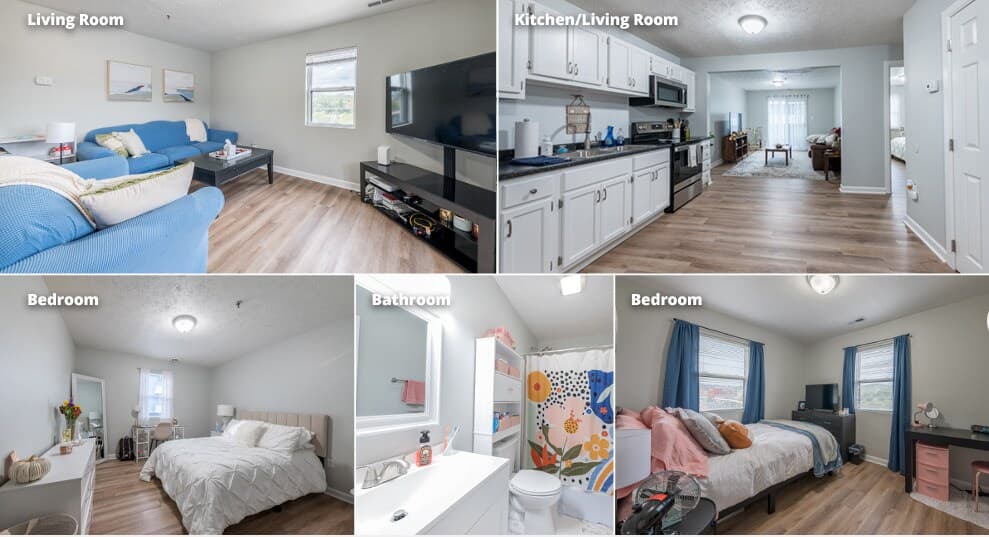
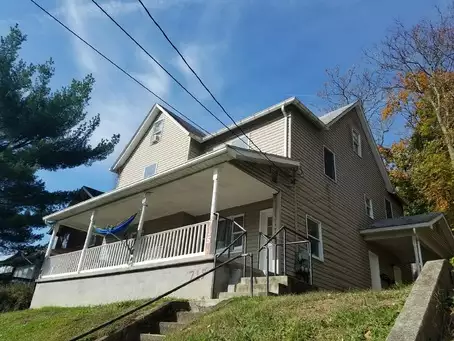
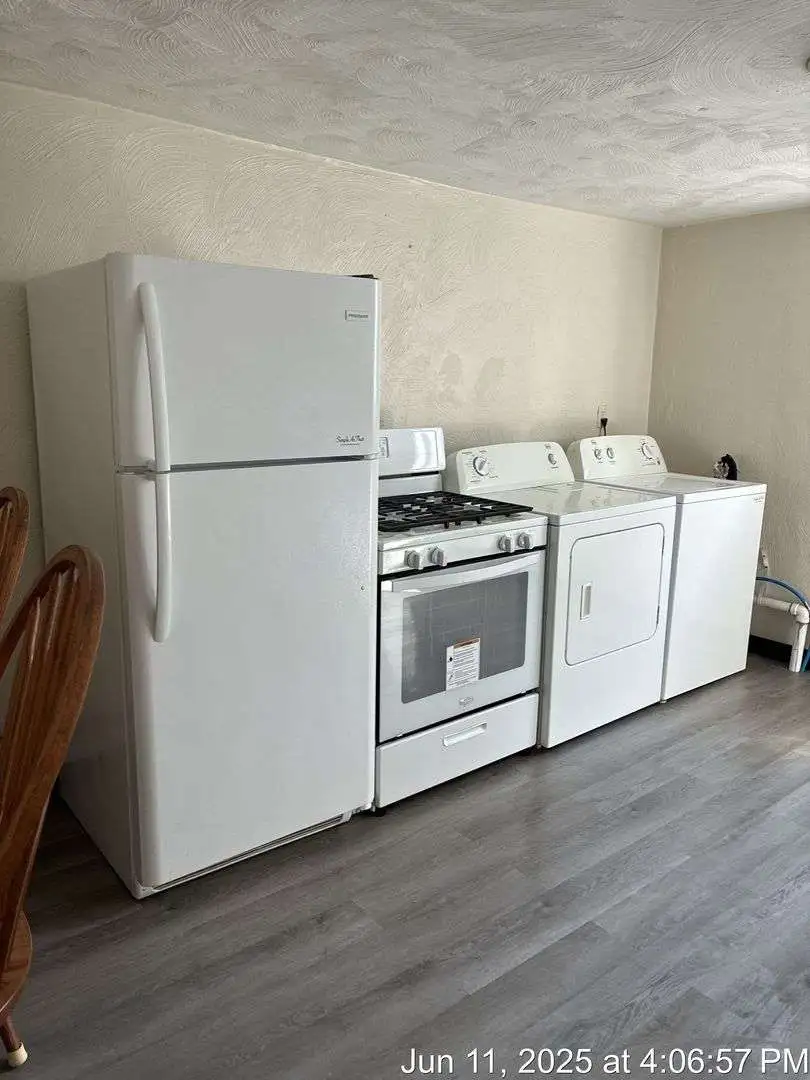
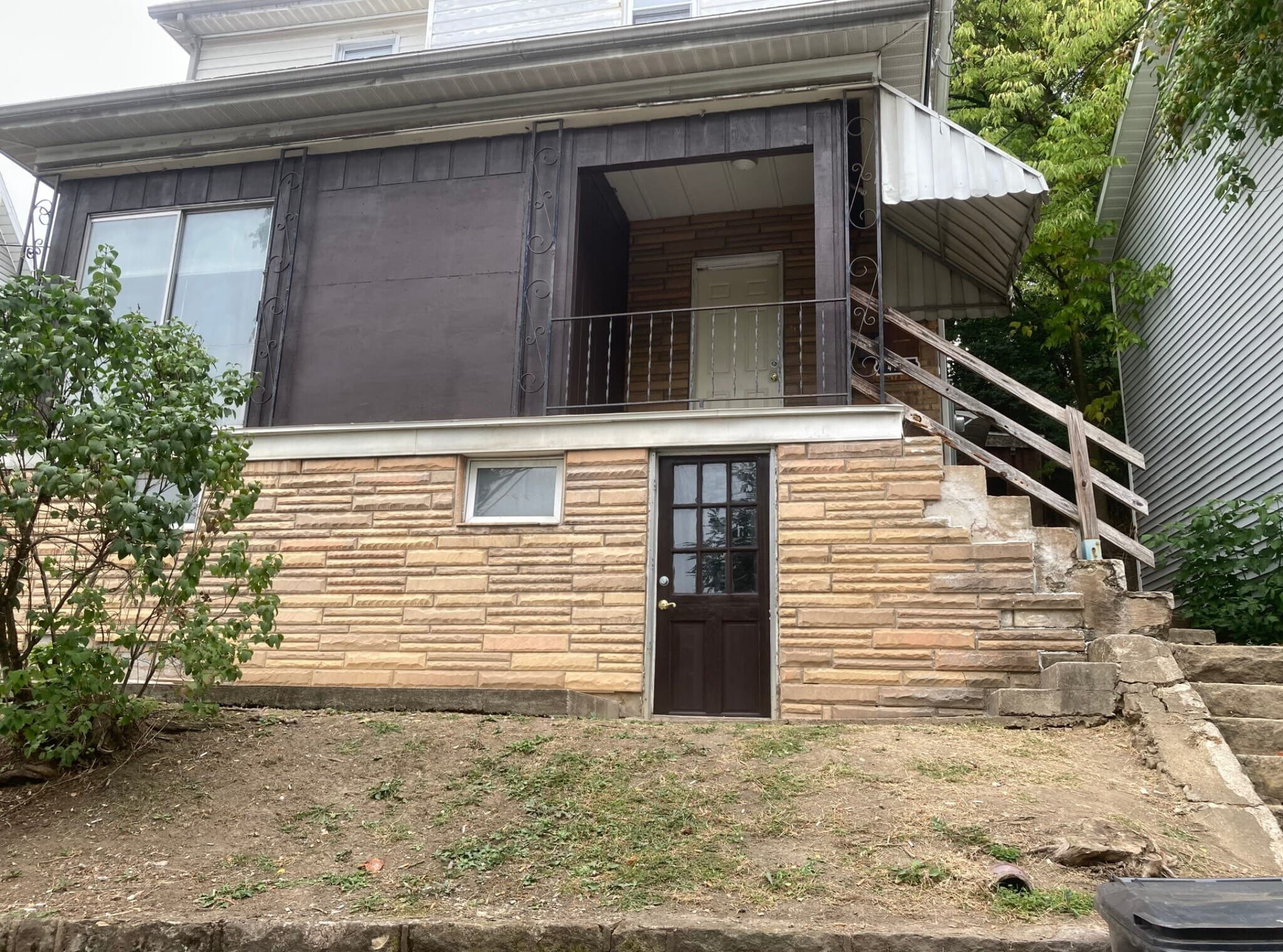
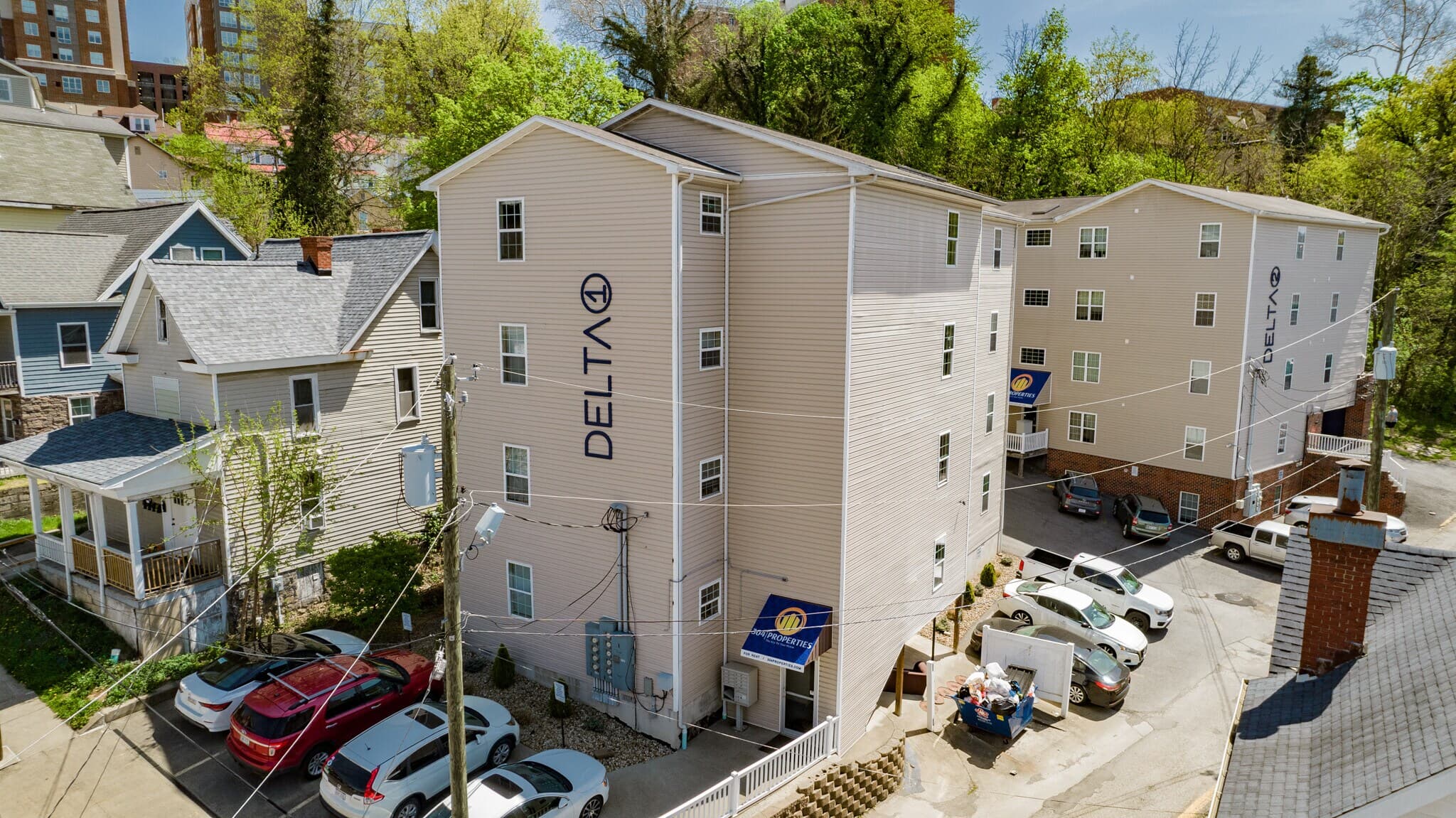
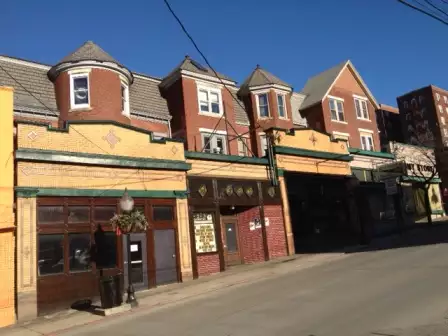
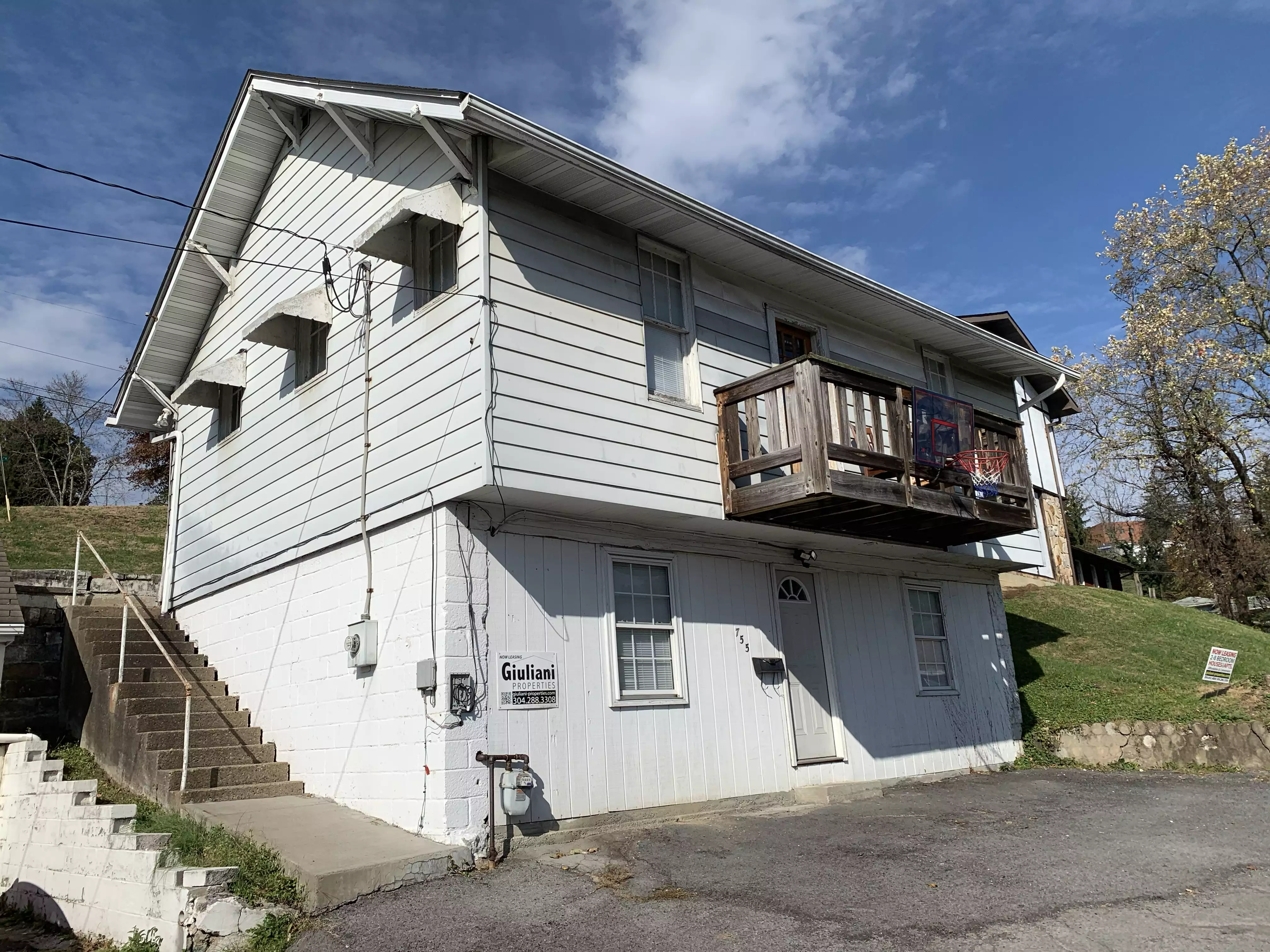
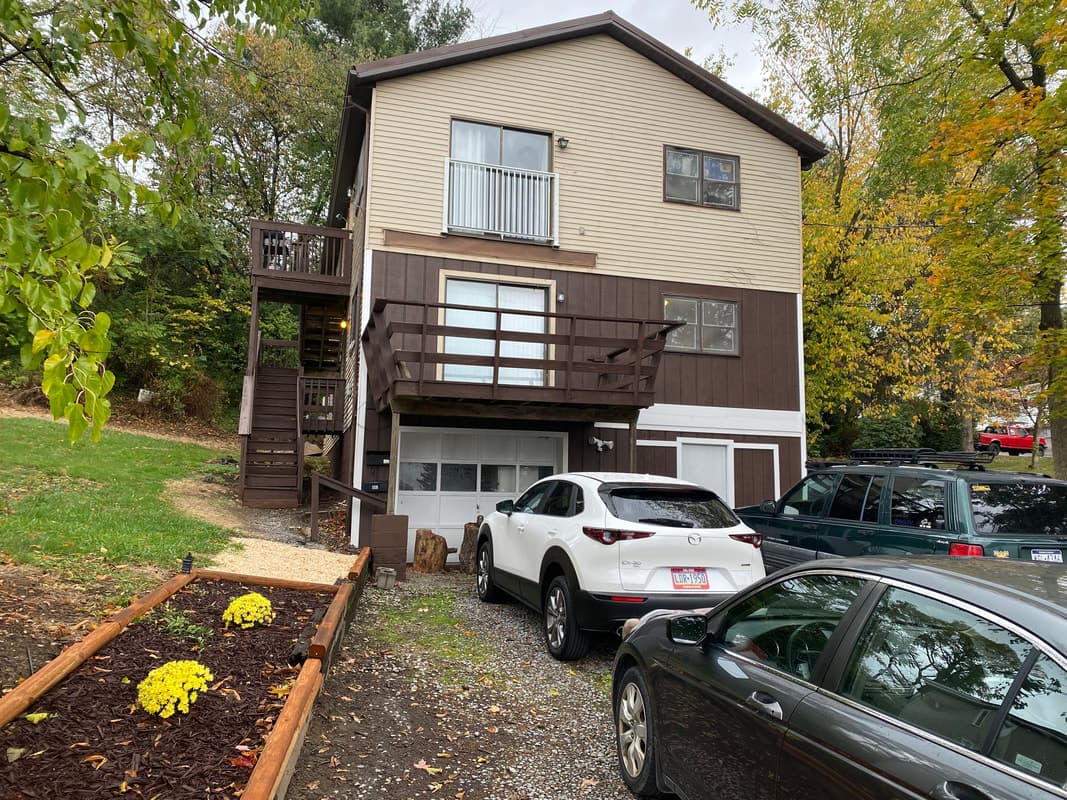
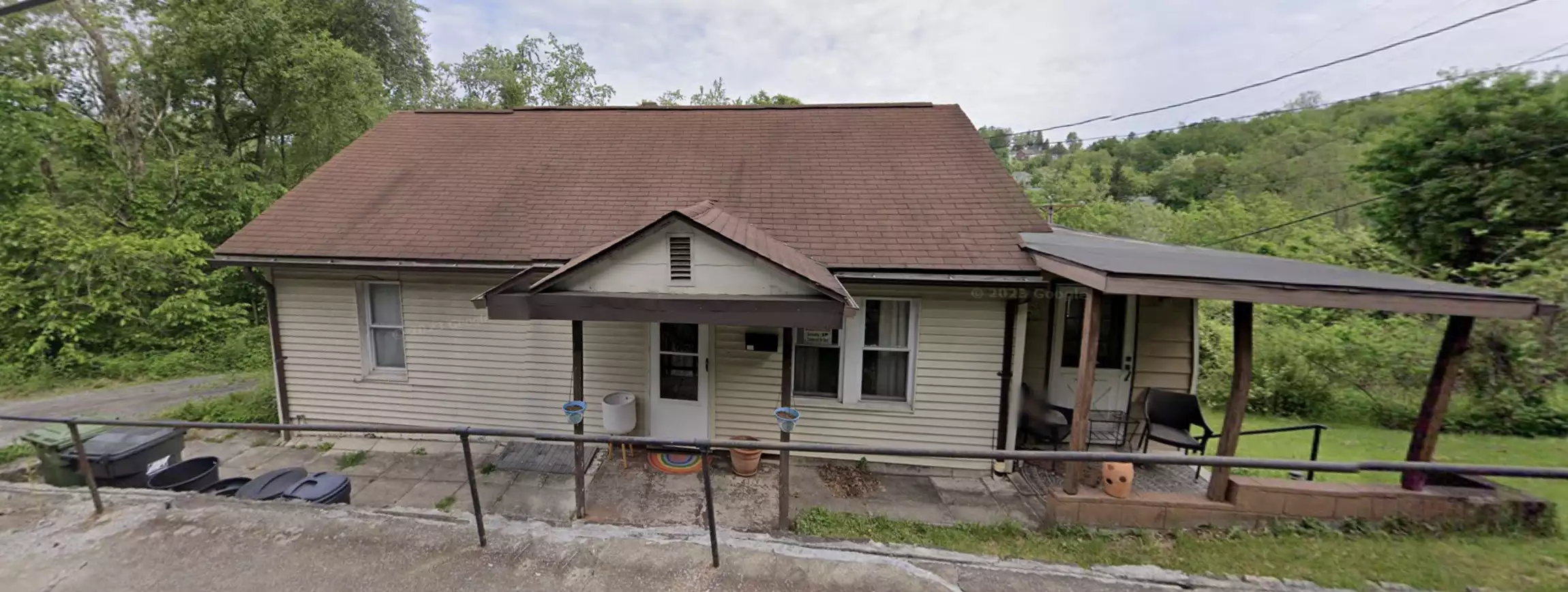
email me if my perfect place pops up
We'll reach out the moment one matches everything you asked for
About Off-Campus Housing Near West Virginia University
West Virginia University packs about 26,000 Mountaineers into Morgantown, a hilly Appalachian town along the Monongahela River where campus and city blur together. WVU splits across three areas, Downtown, Evansdale, and Health Sciences, linked by the PRT, a driverless people-mover locals treat as their own quirky subway. Fall Saturdays roar at Milan Puskar Stadium, and basketball fills the WVU Coliseum, with the Mountaineer and his musket leading the noise. Off campus, Sunnyside sits at the downtown edge as the classic student strip, while the Mon River Rail-Trail runs the riverfront for miles of running and biking. Downtown's High Street keeps the social scene close. It's a tight, hilly campus where the PRT does the heavy lifting.
West Virginia University Housing Requirements
Freshman Live-On Requirement
West Virginia University requires first-year students to live in university housing, and most off-campus complexes specifically lease only to non-freshmen. Freshmen who want an apartment-style setup are generally pointed toward the university's own Oakland-area apartments rather than private off-campus buildings.
Off-Campus Eligibility
Standard exemptions apply for students who are older, married, living with family nearby, or facing documented circumstances, all handled through WVU Housing before you commit elsewhere. Most students move off after freshman year once they clear the live-on requirement.
Lease Timing
Older houses run whole-unit 12-month leases where everyone shares responsibility, while newer complexes use by-the-bed leases. Many older houses leave all utilities to tenants, and parking on the hills is tight, so confirm both before signing. The big local quirk is terrain, since Sunnyside, South Park, and Wiles Hill all sit on steep streets.
Housing policies change frequently. Always verify current requirements directly with West Virginia University before signing a lease.
When to Start Looking for Housing Near West Virginia University
Early Searchers
Morgantown searches start earlier than you would expect for a town this size, mostly because demand for the close-in houses is fierce. For houses near campus, start scouting in mid-September of the prior year, since the best ones get claimed fast. For apartments and complexes, early October is the practical start. Given the steep streets, tour in person and clock the actual walk to campus and the nearest PRT stop.
Peak Demand Window
Searches spike from mid-October into mid-November as students lock plans for the next year, and the closest spots in Sunnyside, South Park, and Wiles Hill go first. Classes start in mid-to-late August, so settle by late fall or winter to land a good place. Demand concentrates on the close-in, walkable streets. A short map distance can hide a brutal hill, so the convenient addresses clear fastest.
Last-Minute Options
Late searchers should look at complexes farther out and along bus routes, which turn over later. Spring and sublet availability stays thin since leases run a full year, though summer subleases open when students leave town. You will trade some proximity for availability. Touring in person remains essential given the terrain.
Neighborhoods Near West Virginia University
Sunnyside
Sunnyside is the classic student strip, right at the downtown campus edge and walkable to class and High Street, though it leans loud and party-heavy.
South Park and Wiles Hill
South Park sits across the creek with historic homes and a slightly calmer, more residential feel, while Wiles Hill offers houses and condos on the hills near campus, quieter than Sunnyside but still close.
Evansdale
The Evansdale area near the engineering and rec buildings suits students with classes on that side, with complexes along the PRT line and bus routes.
Frequently Asked Questions: Off-Campus Housing Near West Virginia University
Common questions from students searching for housing.
A shared room or by-the-bed spot near WVU usually runs $450-$750/month per person. Rooms in older shared houses in Sunnyside or South Park land at the bottom, while newer complexes sit higher. Many older houses leave all utilities to you, so plan on another $50-$120/month for electric, gas, water, and internet on top.
Yes. First-year students live in university housing, and most private off-campus complexes lease only to non-freshmen. Freshmen wanting an apartment-style option are usually directed to WVU's own Oakland-area apartments. Standard exemptions for older, married, or commuting students are handled through WVU Housing before you make other plans.
Sunnyside is the classic strip at the downtown campus edge, walkable but loud. South Park draws upperclassmen with historic homes and a calmer feel. Wiles Hill offers quieter hillside houses near campus, and the Evansdale area suits students with classes on that side, with complexes along the PRT and bus routes.
Not necessarily. The PRT people-mover connects the downtown and Evansdale campuses and is free with your student ID, and Mountain Line buses cover the neighborhoods. If you live in Sunnyside or near a PRT stop, you can skip a car. The hills make walking tougher than the map suggests, though, so factor that into where you live.
Earlier than you'd think. Start scouting houses in mid-September of the prior year, since the close-in ones go fast, and apartments around early October. Searches spike mid-October into November. Settle by late fall or winter ahead of the August start. Late searchers should check complexes farther out along bus routes.
Older houses use whole-unit 12-month leases where all tenants share responsibility, while newer complexes use by-the-bed leases. The terrain is the real quirk: confirm parking, which is tight on the hills, and walk the actual route to campus and the nearest PRT stop before signing, since steep streets make short distances feel long.
South Park and Wiles Hill tend to feel calmer and more residential, while Sunnyside is busier and louder, especially on weekends. As with any older college housing, the condition and management of houses vary block to block, so tour at night, check locks and lighting, and ask the landlord about recent issues before you commit.
Often not, especially in older houses, which usually leave electric, gas, water, and internet to tenants, often $50-$120/month combined. West Virginia winters get cold, so heating bills in older, drafty houses can climb. Newer complexes sometimes bundle some utilities. Always ask for a clear list of what's covered and typical winter bills before you sign anything.
Yes. Newer complexes will match roommates and keep leases separate, while houses usually mean signing together with people you know. Subletting opens up in summer when students leave Morgantown. WVU off-campus resources and student groups are good places to find roommates and sublets you can actually vet first.
The PRT, or Personal Rapid Transit, is WVU's driverless people-mover that links the downtown and Evansdale campuses on its own elevated track. It's a Morgantown icon and free with your student ID, so living near a PRT station genuinely matters since it saves you the hilly walk and the parking hassle between campuses.
More Housing Near West Virginia University
Search by Room Type
Search by Lifestyle
Other Universities in Morgantown
Other universities in Morgantown share a similar off-campus housing market.
West Virginia Junior College Morgantown
West Virginia Junior College Morgantown is a small for-profit career college located at 148 Willey Street in Morgantown, West Virginia, enrolling roughly 200 to 400 students at any given time. The college focuses on career-oriented programs including business administration, medical assisting, and related professional…
View housing near West Virginia Junior College Morgantownfind my place guides for WVU
Curated recommendations from students who’ve been there.
See how students rate the places near WVU on social life, management, and quality before you tour.
Read student housing reviews near WVU →More on off-campus housing near WVU
- Budget & Affordability
WVU Off-Campus Housing Cost: Morgantown Rents by Area
WVU off-campus housing costs about $425 to $975 a month per person in Morgantown's student complexes, where the typical per-bed floor plan on Find My Place lists around $670. Converted houses downtown, in Sunnyside and in Woodburn mostly start between $415 and $695, while a one-bedroom of your own runs $695 to $1,650.
October 4, 2026read more → - Neighborhoods & Cities
WVU Neighborhoods Compared: Sunnyside vs Downtown vs Evansdale
The right WVU neighborhood depends on which campus your classes are on. Sunnyside has 9 of the 42 places on Find My Place's WVU page, and seven start under $700 a month. Downtown puts you 3 to 13 minutes on foot from the Mountainlair. Evansdale is the quiet pick for engineering and Health Sciences students, but FMP lists only three places there.
September 29, 2026read more → - City & Neighborhood Guides
WVU Apartments Near the PRT: Which Ones Actually Sit on It
Only 14 of the 42 places on Find My Place's West Virginia University page are within a 10-minute walk of a PRT station, and just one, 125 Pleasant St, is under five minutes (two minutes to Walnut station). If you want WVU apartments near the PRT, look at downtown around Walnut station, lower Sunnyside around Beechurst station, or Pierpont Place on the Evansdale side.
September 29, 2026read more →